Illuminating the neural correlates of infant care under adversity
Published in Biomedical Research



Infant care
Infant care is one of the most robust and essential mammalian behaviors. In mice, its hallmark is pup retrieval, i.e. an act of bringing a displaced young back into the nest or to a safe area by carrying them 1 (Figure 1). Importantly, in laboratory mice, not only mothers, but also virgin females exhibit infant care.
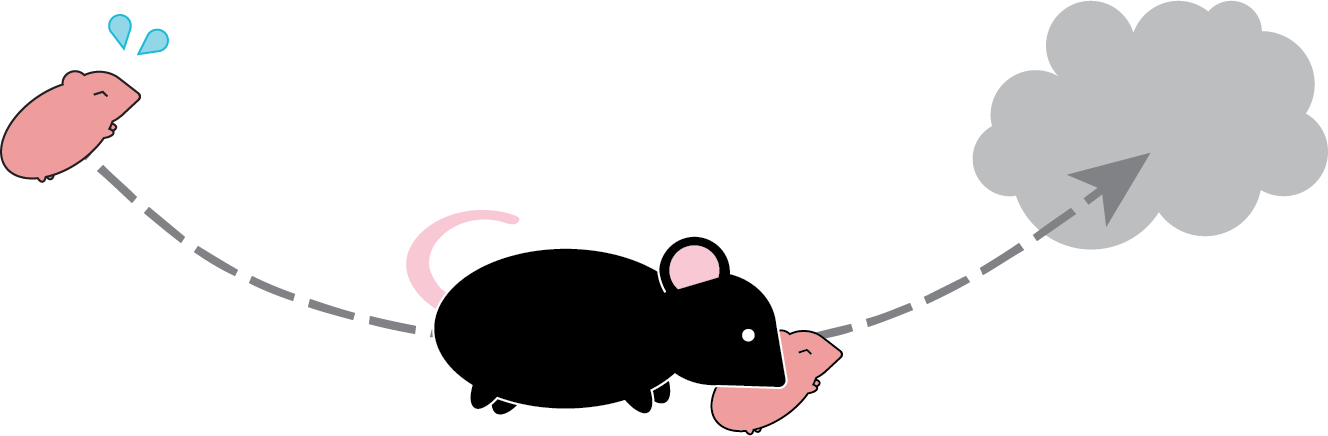
Figure 1. Pup retrieval to the nest.
Care for a non-kin young is generally referred to as alloparental care, however, since a caregiver is not genetically related to the infant, this kind of behavior can also be interpreted as prosocial behavior, i.e., behavior that benefits others 2,3. Such framing is particularly useful in laboratory settings because mice have a strong innate motivation to care for pups and can help them in an unambiguous, quantifiable way through retrieval.
On the quest to deconstruct infant rescue under adversity
In a study from 2021 led by Dr. Chihiro Yoshihara in the laboratory I belong to (laboratory of Prof. Kumi O. Kuroda), she showed that mother mice can enter open arms of an elevated platform to retrieve pups to the safe closed-arm area, while virgin mice did so less 4. This study highlighted a striking feature of maternal behavior: mothers were willing to face potential danger in order to care for their offspring (Figure 2).
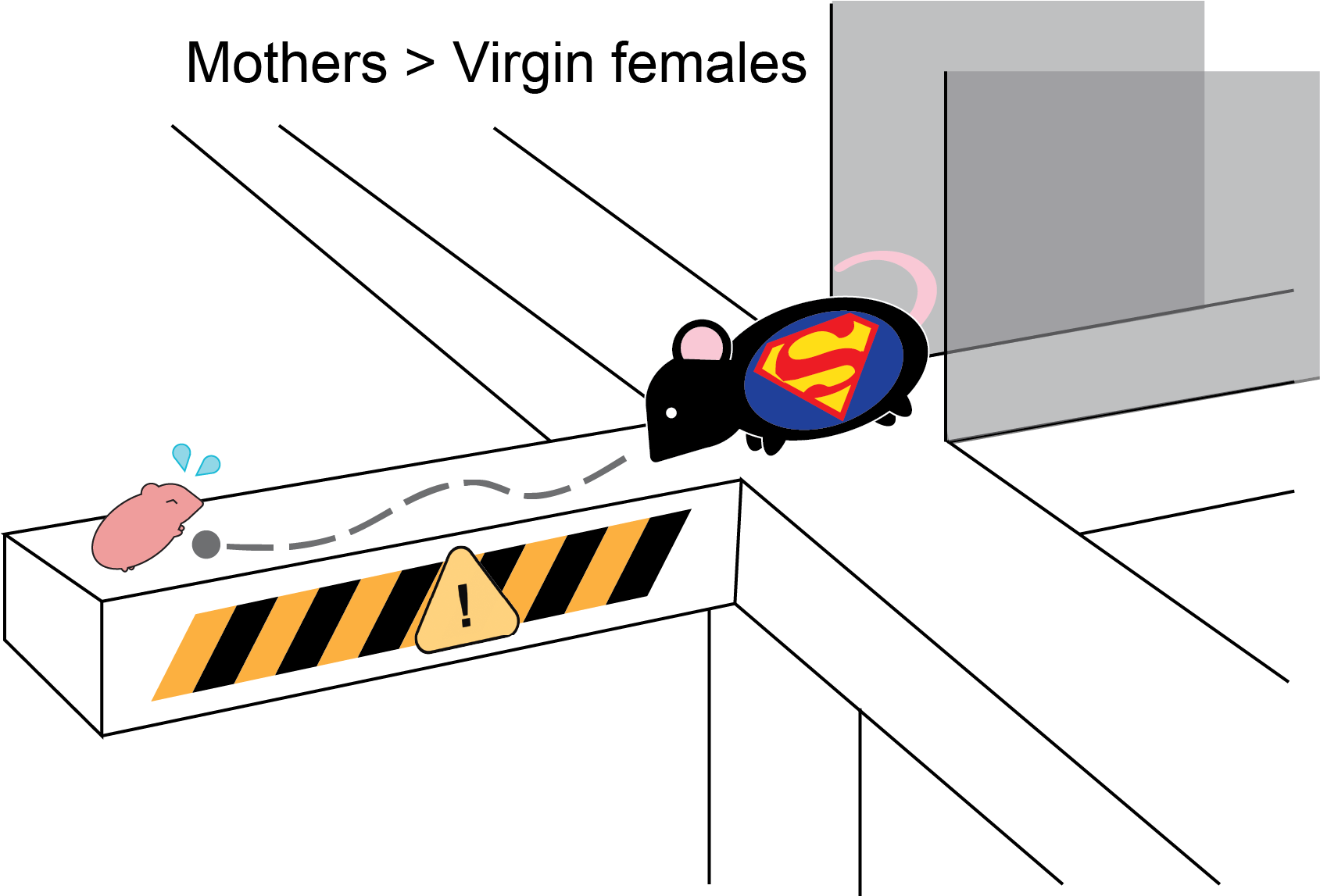 Figure 2. Pup retrieval under EPM condition. Modified from Yoshihara et al., Cell Rep 2021.
Here, we wanted to examine how this behavior is shaped by inevitably increasing adversity, so we turned to a new adversity modality - water, which is widely known to be aversive to rodents 5 and at the same time can be precisely graded.
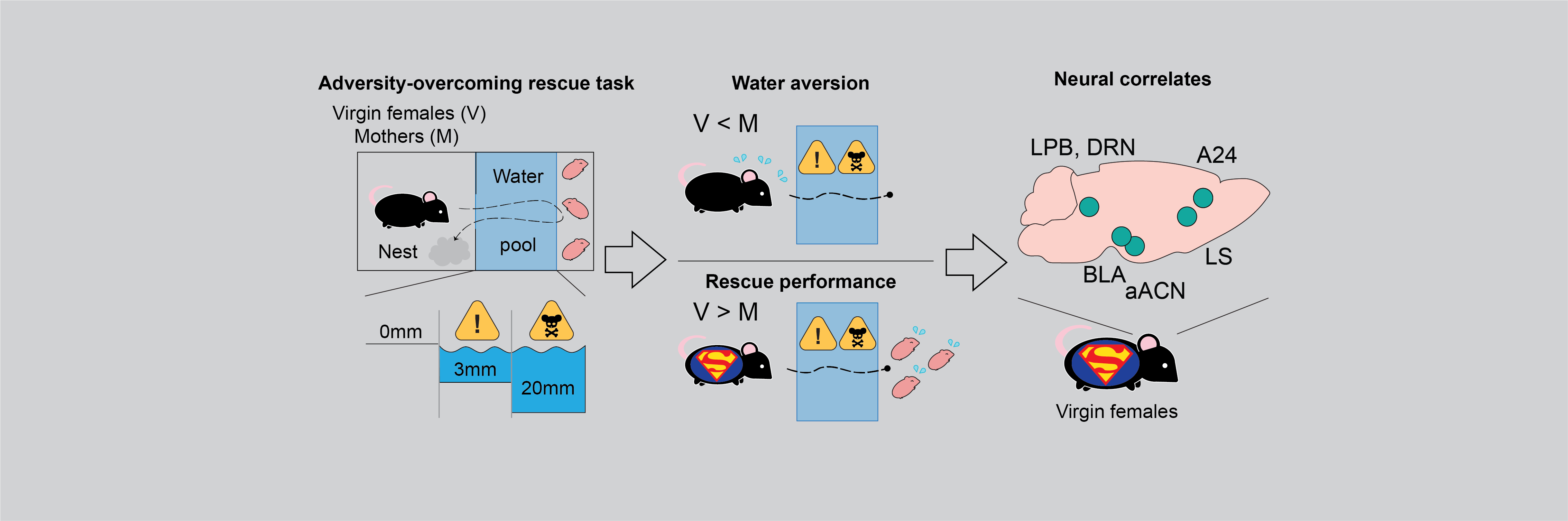
We therefore created a new behavioral task where mice had to cross a water pool of varying depths to retrieve pups back into the nest (Figure 3). We termed this behavior pup rescue.
Before examining rescue itself, however, we first asked whether water depth indeed provided a scalable measure of adversity.
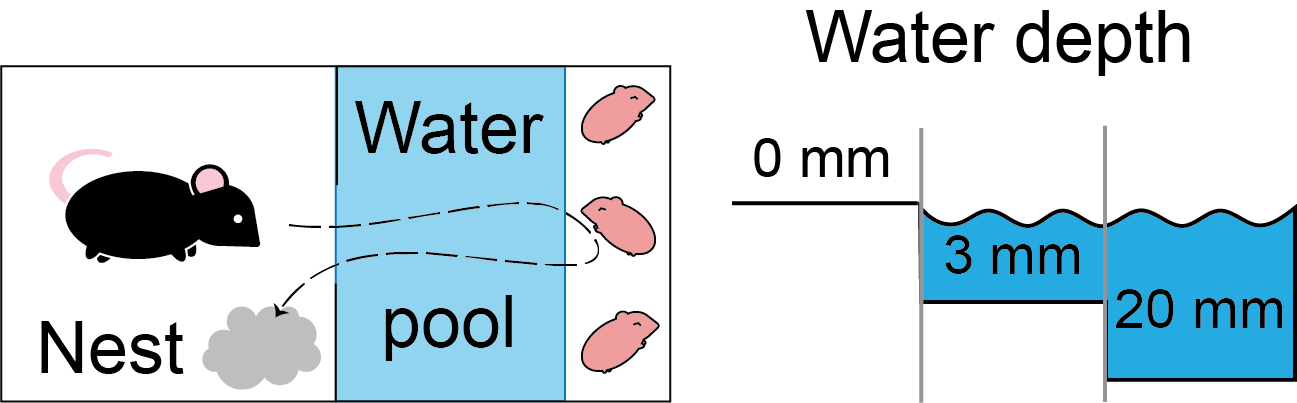
Figure 3. Behavioral task.
As water gets deeper, mice become more averse to the water pool
Since aversion to water in mice can be robustly translated as water avoidance, we tracked mouse movements around and across the water using DeepLabCut 6 and confirmed that mice are increasingly avoidant of water depending on its depth. Interestingly, we also found that mothers perceive water as a bigger adversity than virgin females do (Figure 4, left panel), which was a puzzling result, given the lack of prior evidence for such a maternal phenotype.
Mothers forfeit caring for pups if they must cross water
We next examined pup rescue itself. Given their heightened motivation for infant care, we initially expected mothers to excel at rescuing pups from behind the pool. To our surprise, however, virgin females consistently outperformed mothers (Figure 4, right panel).
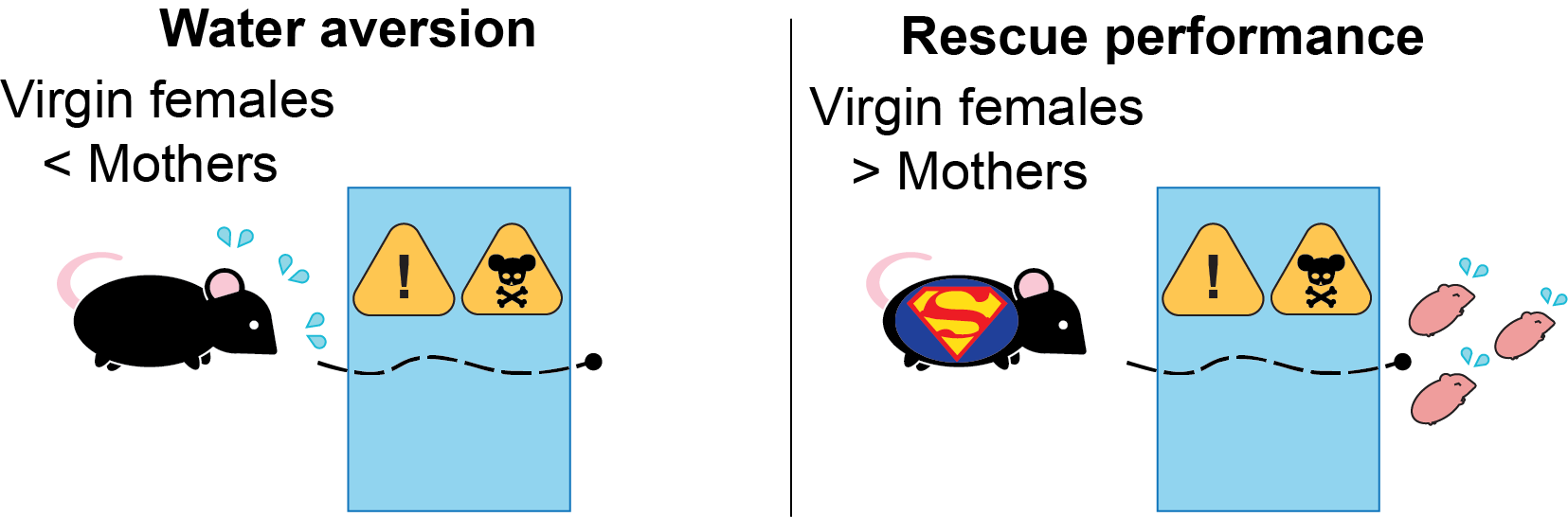
Figure 4. Performance in virgins vs mothers.
Because mothers were more averse to water to begin with, we suggest that differences in adversity perception played a major role in this outcome. This finding still puzzles us and raises new questions about how motherhood reshapes cost–benefit decisions during care.
Mapping neural correlates of adversity-overcoming infant rescue
Although unexpected, this result opened a path to studying the adversity-overcoming pup rescue from the perspective of altruism, which is a form of prosocial behavior in which helping others comes at a cost to the performer 7,8. The reliable expression of pup rescue by virgin females made it possible to investigate the neural correlates of this behavior.
We mapped brain-wide activity using the immediate early gene marker c-Fos during the task. To further align the task with the established prosocial behavior paradigms 9,10, we placed pups inside transparent plastic tubes. Pilot experiments indicated that the highest adversity condition (20 mm water depth) was too demanding, so we focused our analyses on the tolerable 3 mm depth.
Using this approach, we identified that the limbic areas anterior cingulate cortex (A24), lateral septum (LS), and basolateral amygdala (BLA), preoptic anterior commissural nucleus (anterior part; aACN), as well as brainstem dorsal raphe (caudal part; DRN) and lateral parabrachial (LPB) nuclei were activated during pup rescue (Figure 5). We then linked neural activity in these regions to specific rescue behaviors, such as opening a pup-containing tube, by performing Spearman correlation analyses between behavioral latencies and c-Fos+ cell densities in the examined regions.
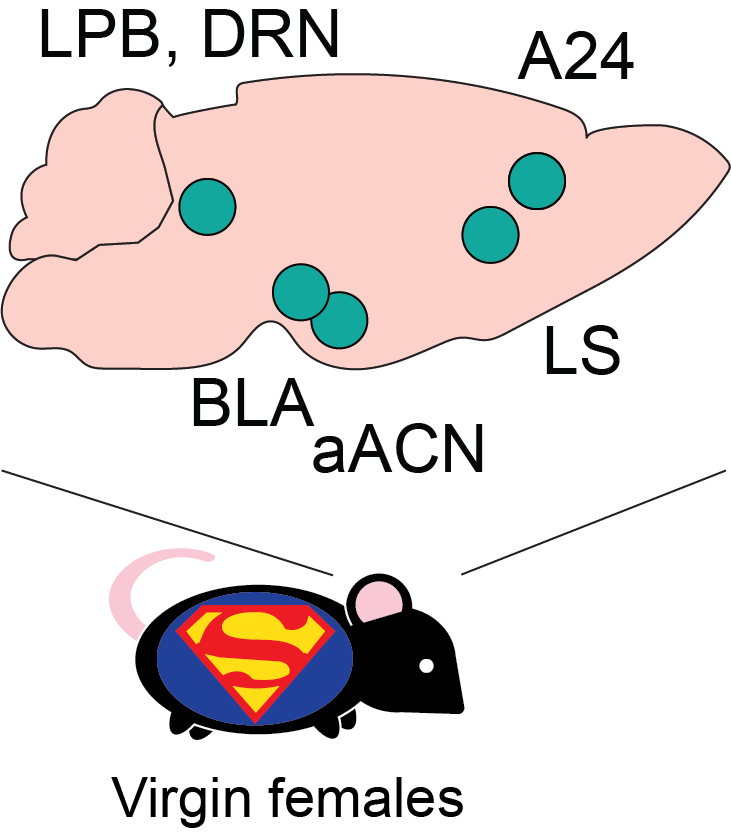 Figure 5. Neural correlates of pup rescue under adversity.
This curiosity-driven project led us to develop a new behavioral paradigm that reveals unexpected differences between mothers and virgin females and begins to uncover the neural substrates of adversity-overcoming infant rescue. More broadly, we hope this work provides a foundation for studying altruistic and prosocial behaviors in situations where helping others comes at a personal cost.
Bibliography
- Kuroda, K. O. & Tsuneoka, Y. Chapter 25 Assessing Postpartum Maternal Care, Alloparental Behavior, and Infanticide in Mice: With Notes on Chemosensory Infl uences. Methods in Molecular Biology 1068, 331–47 (2013).
- Wu, Y. E. & Hong, W. Neural basis of prosocial behavior. Trends Neurosci. 45, 749–762 (2022).
- Keysers, C., Knapska, E., Moita, M. A. & Gazzola, V. Emotional contagion and prosocial behavior in rodents. Trends Cogn. Sci. 26, 688–706 (2022).
- Shinozuka, K. et al. A calcitonin receptor-expressing subregion of the medial preoptic area is involved in alloparental tolerance in common marmosets. Communications Biology 2022 5:1 5, 1–18 (2022).
- Morris, R. G. M. Spatial localization does not require the presence of local cues. Learn. Motiv. 12, 239–260 (1981).
- Mathis, A. et al. DeepLabCut: markerless pose estimation of user-defined body parts with deep learning. Nature Neuroscience 2018 21:9 21, 1281–1289 (2018).
- Hamilton, W. D. The genetical evolution of social behaviour. I. J. Theor. Biol. 7, 1–16 (1964).
- Hamilton, W. D. The genetical evolution of social behaviour. II. J. Theor. Biol. 7, 17–52 (1964).
- Ueno, H. et al. Helping-Like Behaviour in Mice Towards Conspecifics Constrained Inside Tubes. Scientific Reports 2019 9:1 9, 1–11 (2019).
10. Bartal, I. B. A., Decety, J. & Mason, P. Empathy and pro-social behavior in rats. Science (1979). 334, 1427–1430 (2011).
Follow the Topic
-
Scientific Reports
An open access journal publishing original research from across all areas of the natural sciences, psychology, medicine and engineering.

Related Collections
With Collections, you can get published faster and increase your visibility.
Cancer Prevention and Control
Publishing Model: Hybrid
Deadline: Feb 19, 2027
AI in clinical decision-making
Publishing Model: Open Access
Deadline: Nov 28, 2026


