Integrating agroforestry and landscape management for biodiversity and people
Published in Ecology & Evolution and Sustainability
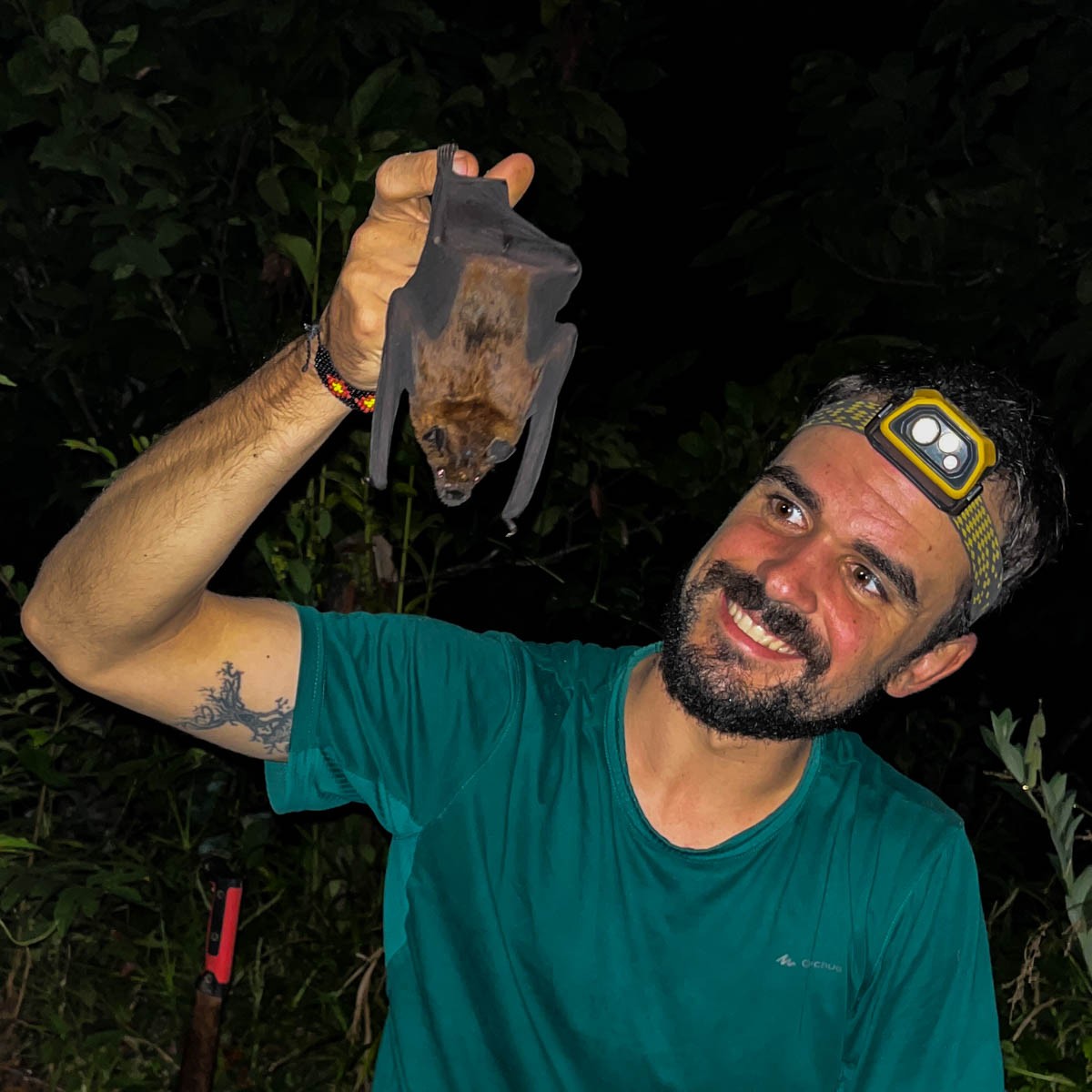
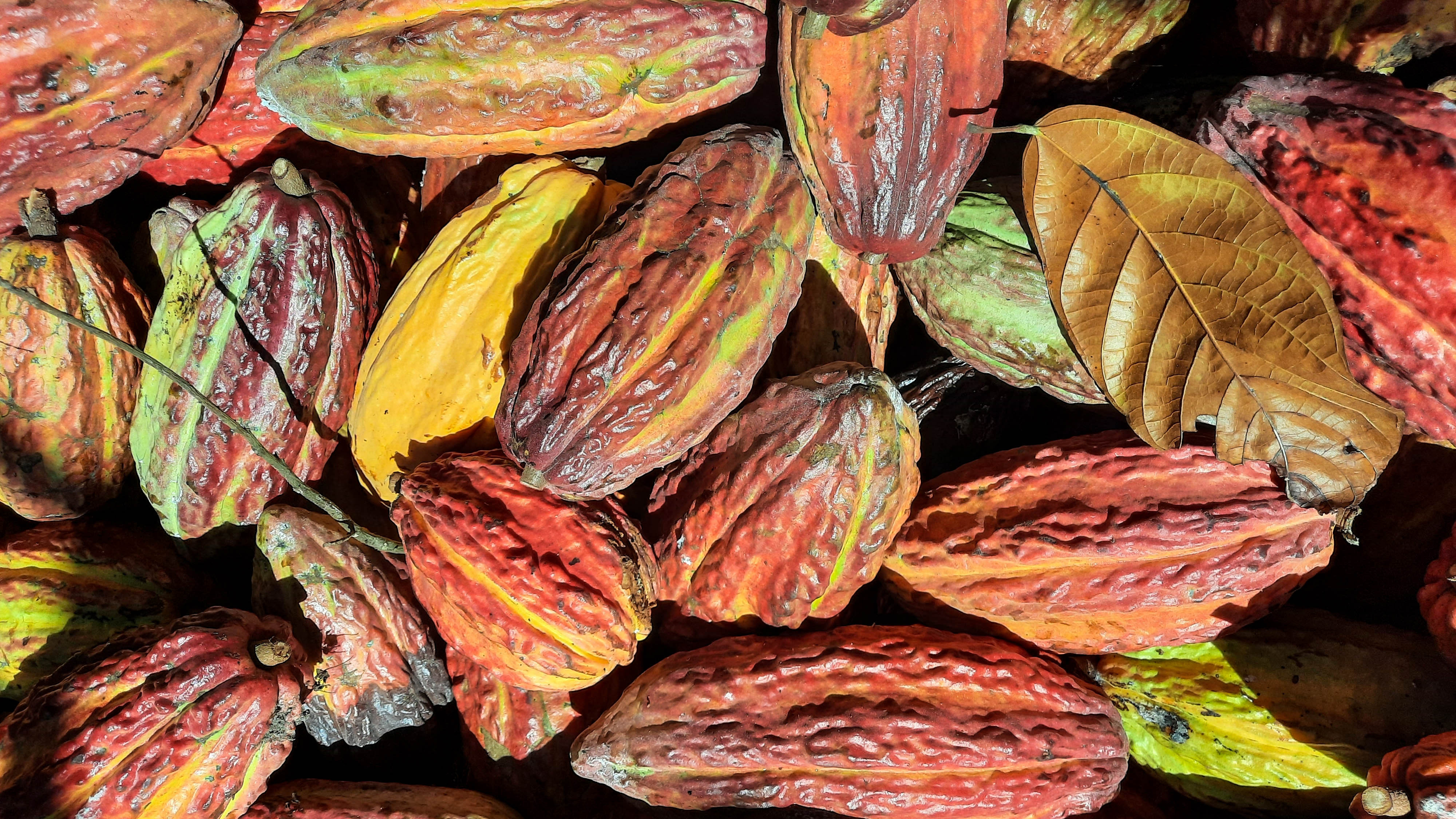

Cacao agroforestry is one of the most biodiversity-friendly farming systems. By integrating shade trees into crops, complex agroforests can provide greater diversity and abundance of resources and refuges for wildlife than structurally simple land uses such as monocultures. This increased biodiversity can provide essential ecosystem services for cacao production such as natural pest control and pollination. Additionally, shade trees help buffer extreme temperatures and increase soil fertility. However, cacao farmers often face a critical trade-off: higher yields require more intensive management practices that usually reduce biodiversity and associated ecosystem services, while conserving tropical wildlife could mean lower farm productivity.
Beyond shade trees, the surrounding landscape determines whether beneficial species and crop enemies such as pathogenic fungi and arthropod pests can reach the agroforest. Therefore, what happens outside the farm may matter as much for cacao production as local farm management. Considering these different spatial scales at which the environmental conditions can affect cacao yields and agroforest sustainability, we asked:
Are there agroforestry management strategies and landscape designs that are both biodiversity-friendly and profitable?
Assessing agroforest sustainability
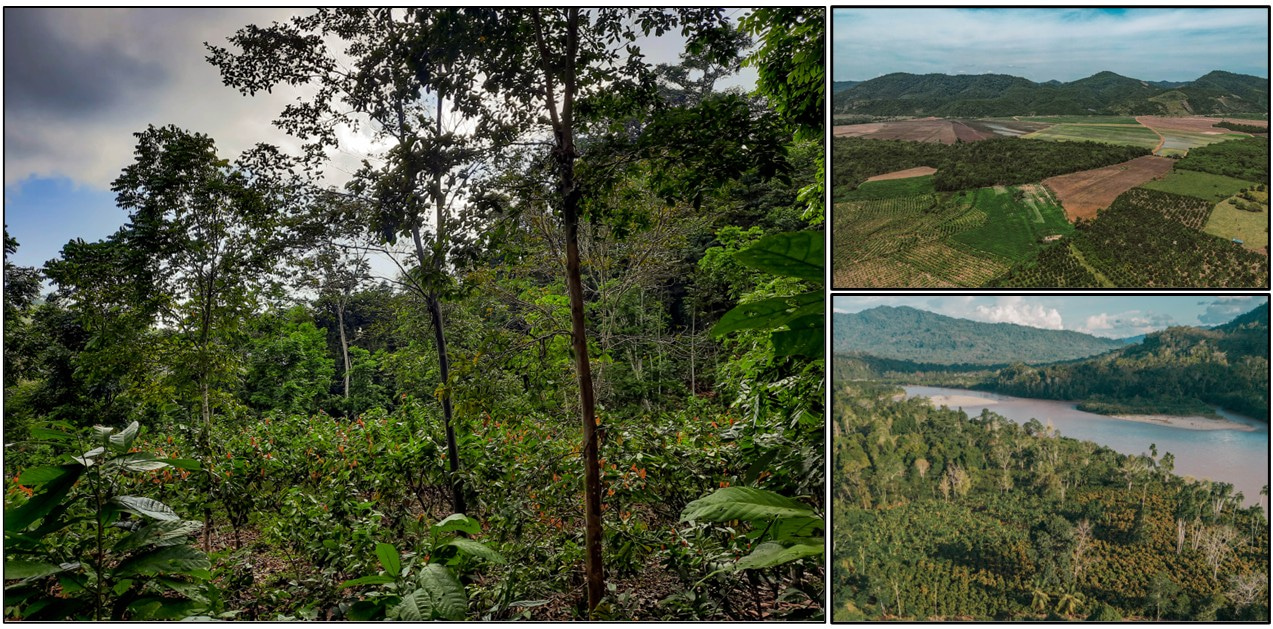
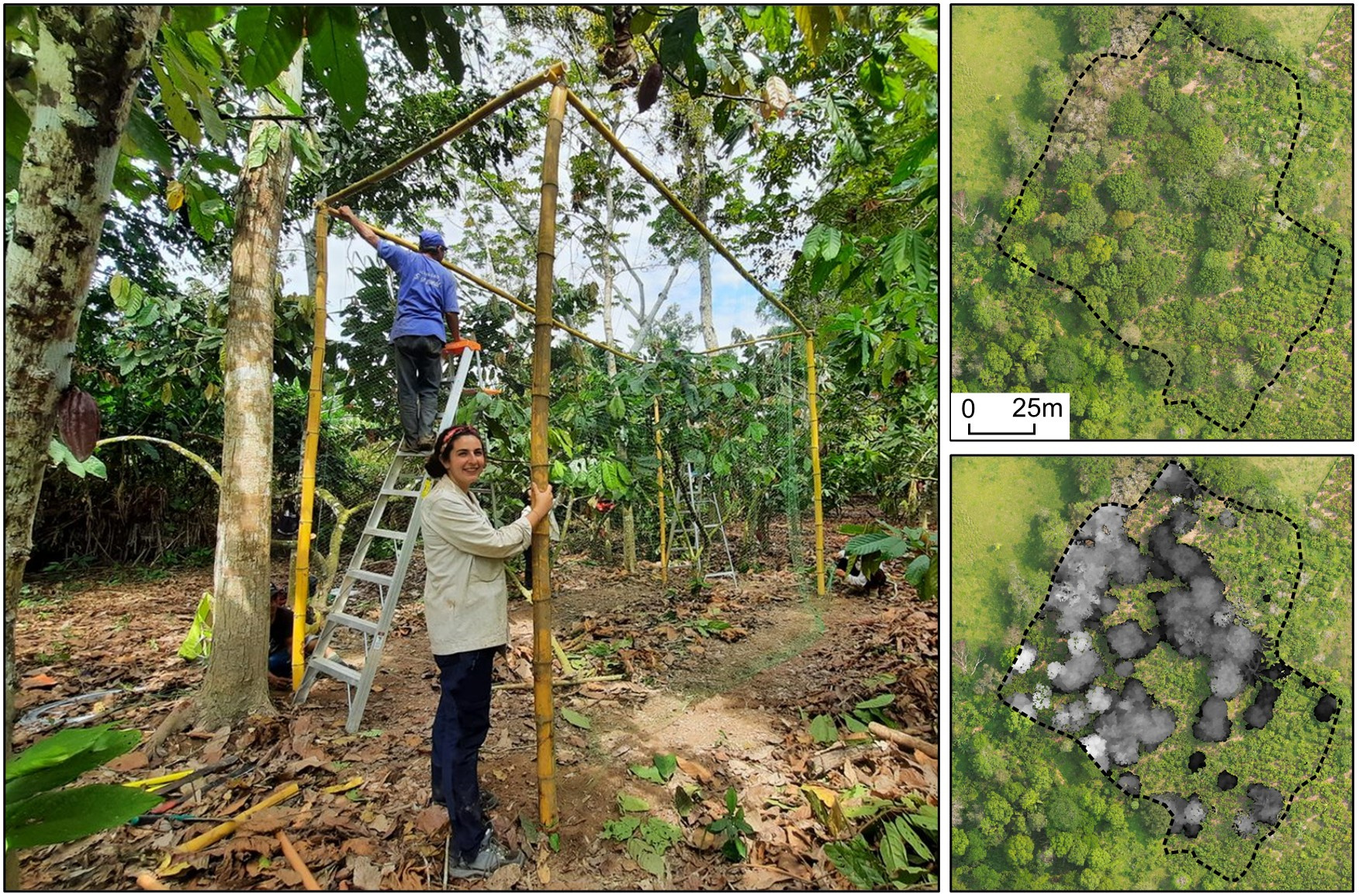
To address this question, in 2022 and 2023 our team embarked on a massive field campaign across 28 organic cacao agroforests spanning the Huallaga and Huayabamba River valleys in the northern Peruvian Amazon. Using a multi-scale approach, we examined how shade-tree canopy structure and landscape complexity jointly influence biodiversity, biocontrol and pollination services, pest and disease incidence, microclimate, soil fertility, and yield in the agroforests. To do so, we combined multiple methodologies, including drone mapping, bioacoustics, metabarcoding analyses, bird and bat exclusion experiments, and year-round assessments of cacao trees to estimate fruit sets, yields and losses to pests and diseases, among others.
High-resolution drone maps were particularly important for our study. Instead of relying solely on broad visual estimates of canopy openness, we generated detailed digital elevation models of the agroforests. This allowed us to measure not only shade-tree cover percentage, but also spatial cover heterogeneity (how unevenly trees are distributed across the farm) and vertical height heterogeneity (the variation of shade-tree heights present).
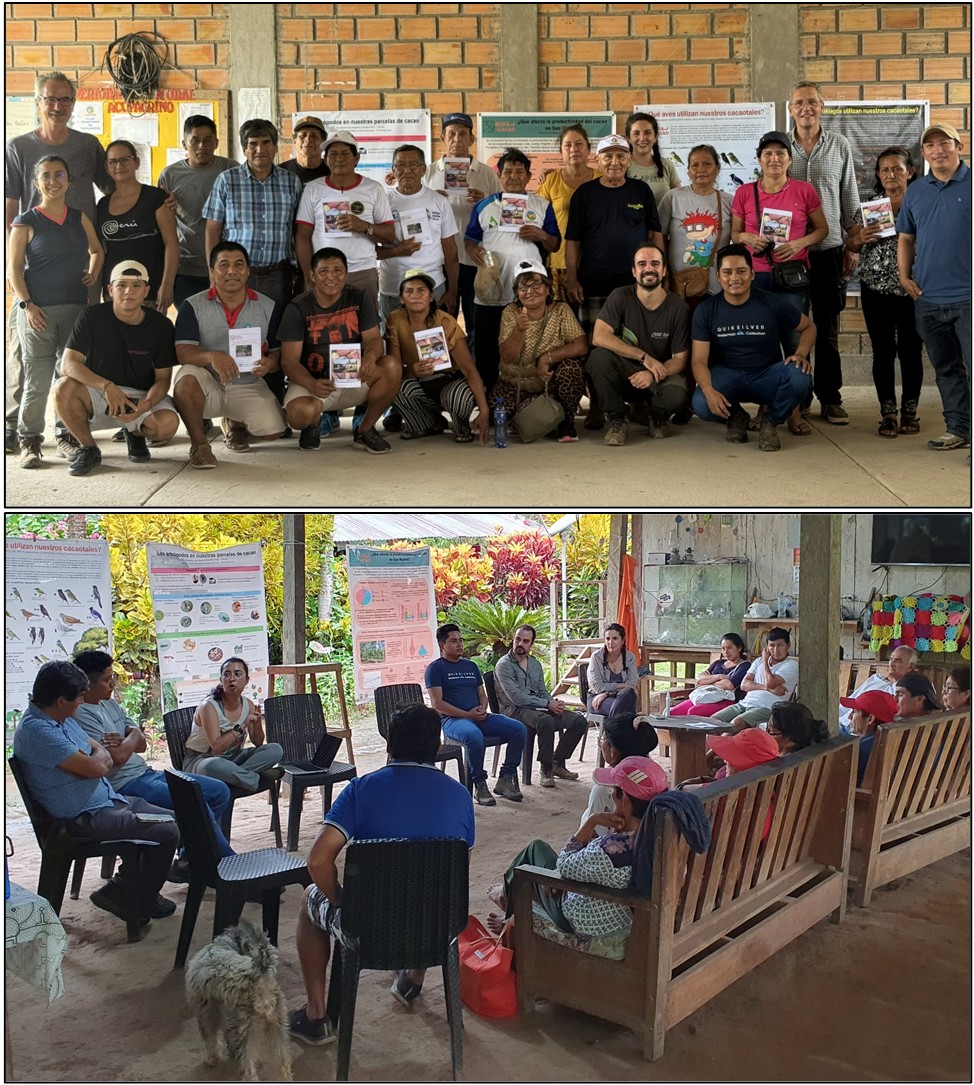
An undertaking of this scale involved travelling countless kilometers by boat, motorbikes and on foot to reach a wide range of cacao farms, from those close to villages to the most remote ones mainly surrounded by forest. This simply would not have been possible without the invaluable support, local expertise, and daily dedication of the farmers, field assistants, and staff from our partner cooperatives, Cooperativa Agraria Cacaotera Acopagro Ltda. in the Huallaga valley and Cooperativa Agraria Cacaotera Choba Choba Ltda. in the Huayabamba valley.
Co-beneficial shade-tree and landscape management
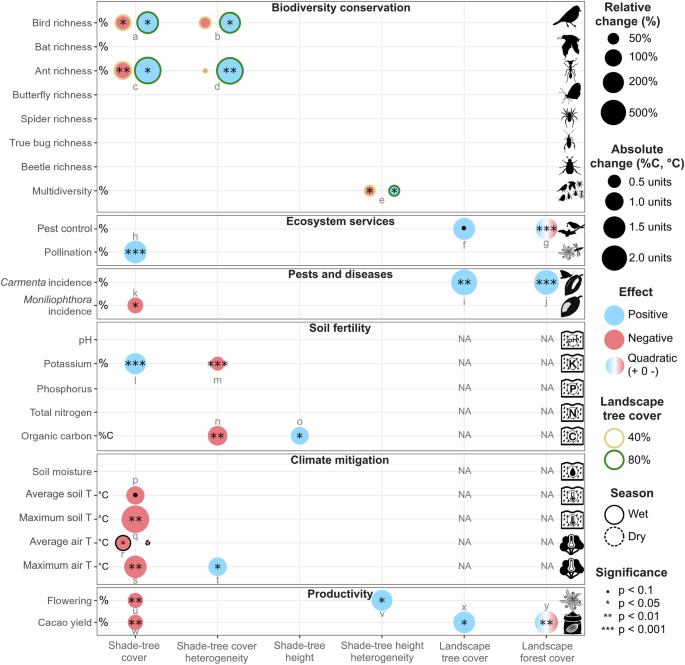
Our findings revealed promising win-win opportunities for biodiversity and farmers. At the local scale, highly shaded agroforests favored birds, ants, soil and microclimatic conditions. However, increasing shade-tree cover reduced cacao yields by up to 76% due to light limitation rather than higher pest pressure. Conversely, having a heterogeneous distribution of shade trees across the farm, and with diverse heights, boosted bird and ant richness, as well as overall multidiversity, without compromising cacao yields. This suggests that creating canopy gaps and mixing short and tall timber and fruit trees creates diverse ecological niches for wildlife while maintaining essential economic returns for cacao farmers.
The surrounding landscape composition is just as important as adequate shade-tree management (or even more). Biocontrol provided by birds and bats doubled cacao yields in complex landscapes combining medium levels of forest cover and other arboreal habitats such as orchards or agroforests. Based on cacao prices in 2023, this could mean a $1,640 USD annual boost to smallholder incomes per hectare thanks to insectivorous birds and bats.
Our results allowed us to develop a clear suggestion of ideal land-use composition in Amazonian landscapes that promote thriving, multifunctional landscapes that protect wildlife while boosting cacao harvests and local incomes: pairing 30–35% cover of natural forest with 40–45% tree-rich habitats like agroforests and 20–30% open cropland and urban areas. Rather than serving as a one-size-fits-all model, this landscape management must always align with local land availability and be developed hand-in-hand with the farmer communities that inhabit and shape these landscapes.
Looking ahead
A striking takeaway from our study is that while local canopy structure did not influence bird and bat pest control, surrounding forest cover was particularly relevant. This hints that tree-rich landscapes likely benefit many other crops across the region, not just cacao. But there is still much to uncover, like how specific landscape configurations shape the flow of ecosystem service and disservice providers to farms. Expanding this integrative, multi-scale framework to other tropical farming systems and landscape features will be key to designing resilient, biodiversity-friendly agricultural landscapes where both farmers and nature thrive.
Follow the Topic
-
Communications Earth & Environment
An open access journal from Nature Portfolio that publishes high-quality research, reviews and commentary in the Earth, environmental and planetary sciences.

What are SDG Topics?
An introduction to Sustainable Development Goals (SDGs) Topics and their role in highlighting sustainable development research.
Continue reading announcementRelated Collections
With Collections, you can get published faster and increase your visibility.
Ecological resistance and resilience under global change
Publishing Model: Open Access
Deadline: Apr 07, 2027
High-resolution modeling for Earth system
Publishing Model: Open Access
Deadline: Feb 07, 2027