Local communities and botanists join forces to describe a new Vanilla species in the pacific rainforests of Western Colombia
Published in Ecology & Evolution and Plant Science






By Nicola S. Flanagan and Andres Navia-Samboni
Vanilla beans have long been gathered from the rainforests of Colombia's Pacific coast by the Afro-descendant and Indigenous communities who live there, being valued for their use in ceremonial rituals. Amongst the Afro-descendant communities, the plants are known as bejuquillo (little vine), and the beans are called platanitos, for their appearance like small bananas.
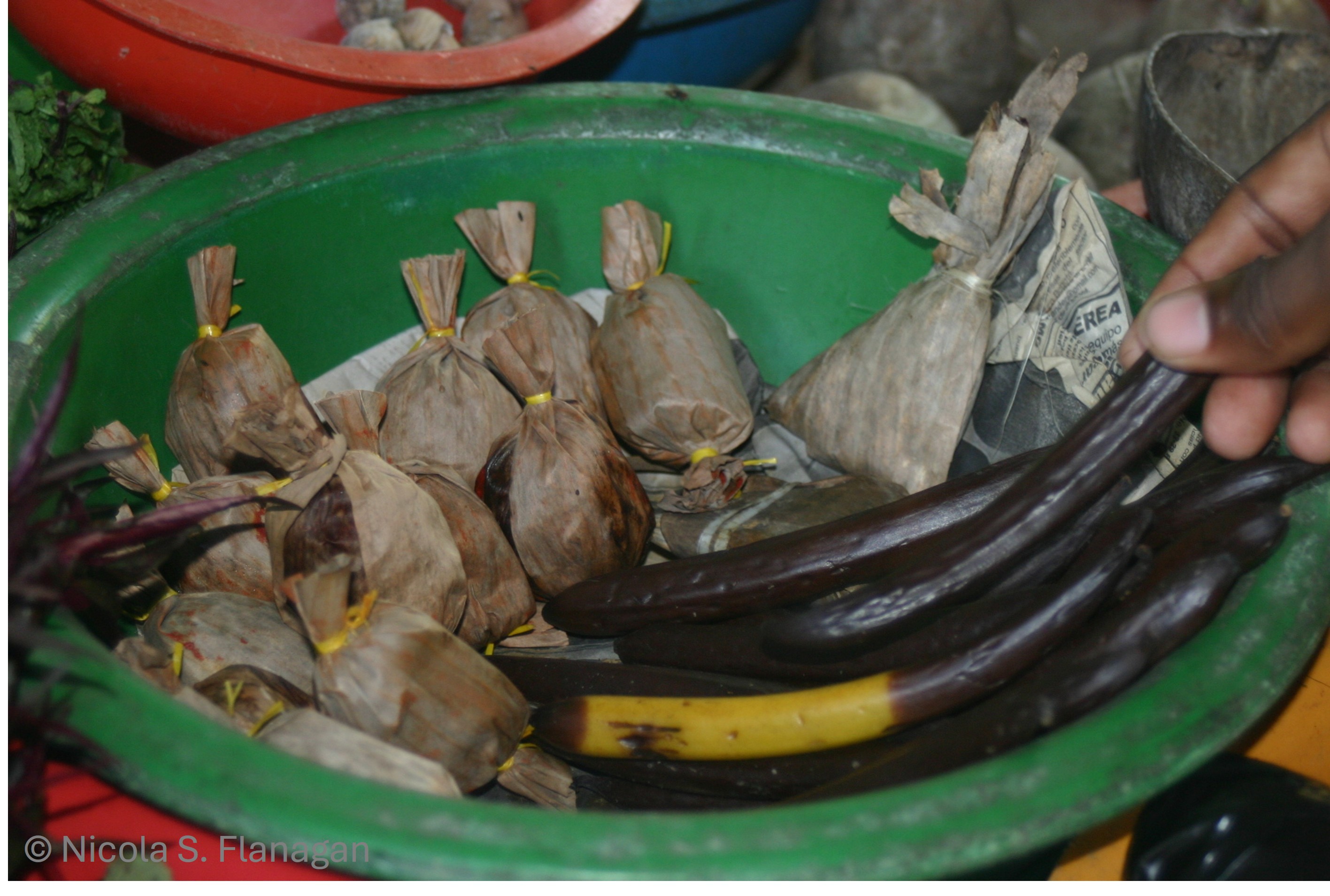
Wild-collected vanilla beans offered in a market stall in the town of Quibdó, Choco, Colombia.
With the growing global demand for natural vanilla, in 2015 the local community councils in the municipality of Bahía Solano, department of Chocó, Colombia initiated the project "Vainilla Aroma Chocó” with support from SWISSAID to promote the sustainable cultivation of the native vanilla found in their territories.
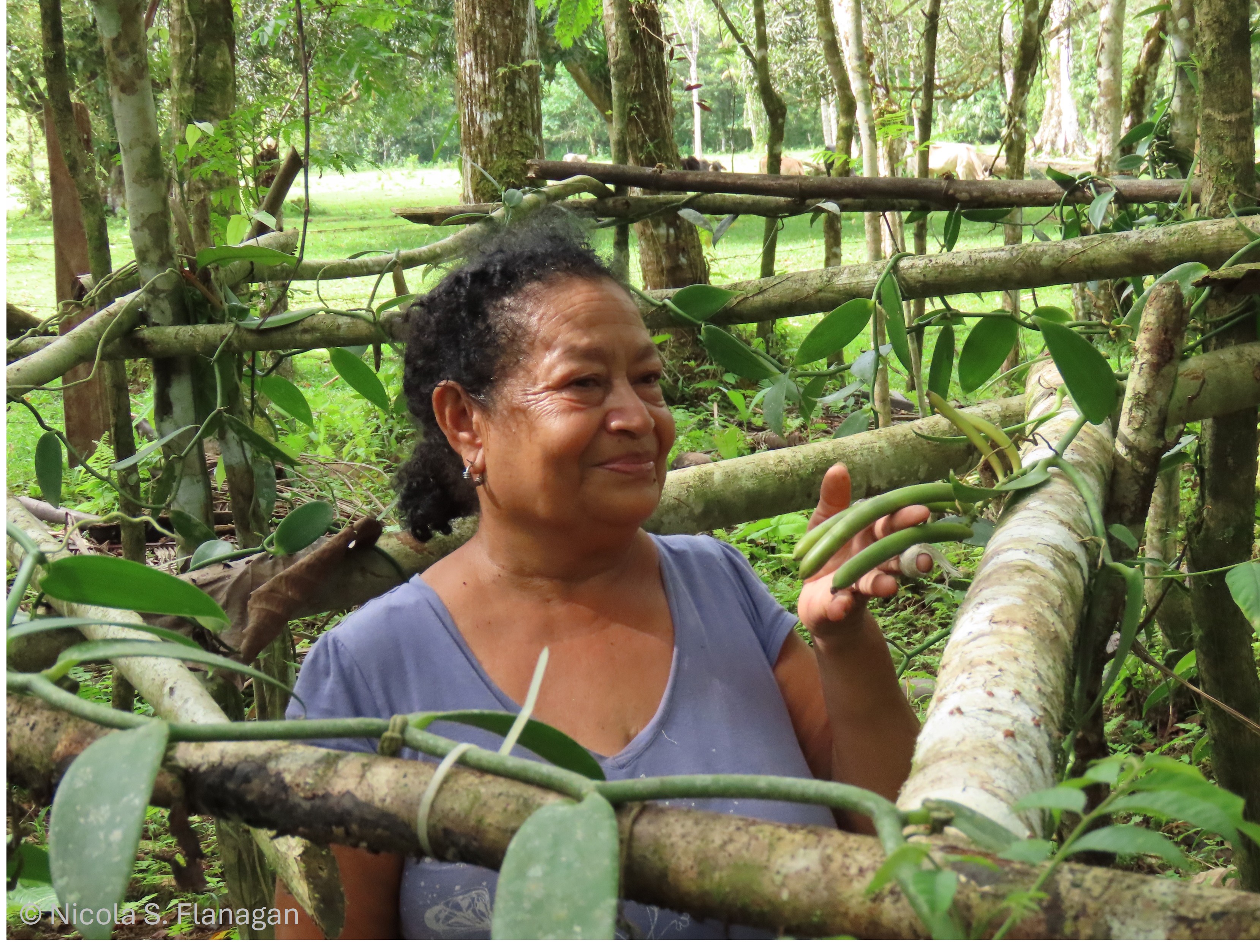
A member of the Project “Vainilla Aroma Chocó” with her vanilla crop in Bahia Solano, Chocó, Colombia.
In 2020, as part of our ongoing research on the ecology, conservation and sustainable use of neotropical vanilla, we were invited to collaborate with the communities in their work documenting the diversity and distributions of Vanilla species in their forests.
The Chocó region is one of the wettest places on Earth and one of the most biodiverse. Its tropical humid forests, forming part of the Tumbes-Chocó-Magdalena Biodiversity Hotspot, extend from southeast Panama down the lowland Pacific region of Colombia west of the Andes, and into northwest Ecuador. In northern Colombia, this ecosystem also reaches inland towards the Magdalena River. These forests are a haven for wild relatives for several important crops, including cacao (Theobroma and Herrania genera), and vanilla. While Mexico is considered the center of domestication for the main cultivated vanilla, Vanilla planifolia, this species´ natural distribution extends through the humid tropical forests of Central America and into western Colombia.
In our previous research in the Chocó over more than a decade, we had documented eight wild Vanilla species. These are important crop wild relatives - species or populations closely related to the domesticated plants - carrying potentially valuable genetic resources: traits like pest and disease resistance or tolerance to environmental change that can be bred into the cultivated crop. As such, they are priorities for conservation action. Yet, despite the immense global value of the vanilla crop, its wild relatives have been surprisingly neglected in botanical studies, with poor representation in biological collections. Since conservation and management decisions are only possible once a species has a formal name, documenting the diversity and distribution of vanilla's crop wild relatives is a key task.
Over several field trips with members of the community councils Los Delfines, El Cedro and Río Valle, we surveyed the species diversity of vanilla plants previously located by our local collaborators. Bahia Solano is only accessible by air – a short but often bumpy flight over the Western Andean Cordillera from Medellin, and logistical costs have limited our visits. Also, Vanilla species flower sporadically, and not all species flower simultaneously, so it wasn´t until 2024 that we registered a morphotype that differed from the other species that we knew in Bahía Solano, in the Chocó, and, eventually, as we would ascertain, from every other Vanilla species documented anywhere.
In order to validate this new-to-science species, we consulted the taxonomic literature for the genus Vanilla, as well as undertaking the arduous task of comparing the specimen with those contained in over 50 different herbaria in both Colombia and globally. During this herbarium study, we found three further specimens of this new species – one also from Bahía Solano deposited in a Colombian herbarium in 1989, and two from northwest Ecuador housed in the Herbarium of the National Institute of Biodiversity, INABIO in Quito, both from collections in 1991. All these specimens had been identified as Vanilla planifolia, to which our new species is morphologically similar.
Given the extension of the species distribution along the Pacific coast of Colombia and into Ecuador, in consultation with all study members we named the species Vanilla pacifica.
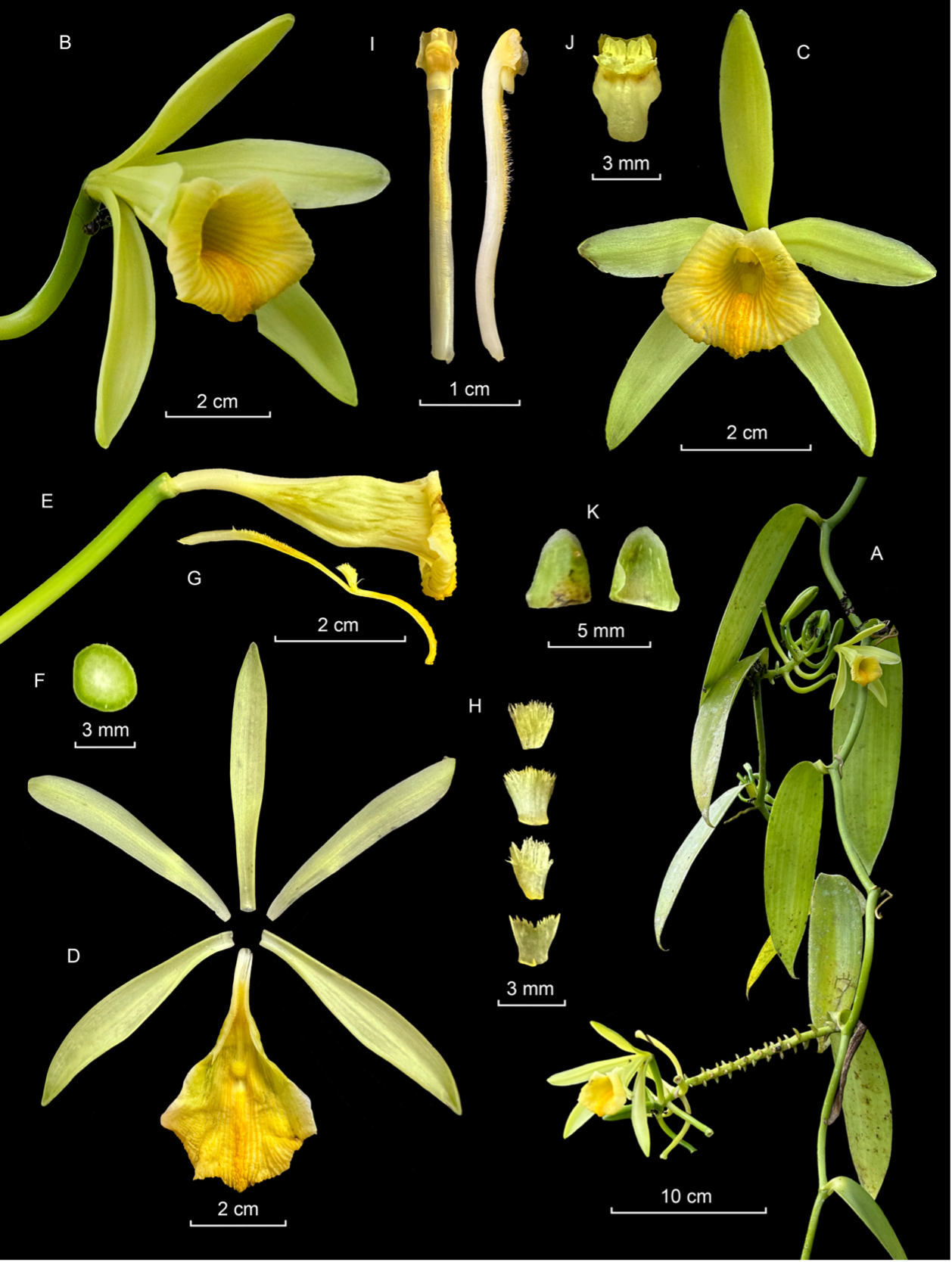
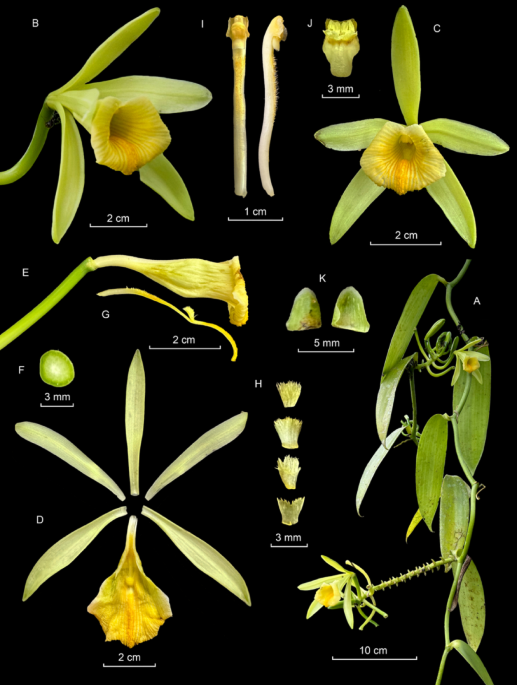
Vanilla pacifica, the new vanilla species from the Chocó region.
Our survey of herbarium specimens yielded a further important find, a first register for Colombia of another vanilla crop wild relative, Vanilla hartii. This species was known previously from Central America and northeast South America, but not from Colombia.
The Chocó region still retains much of its native forest ecosystem, thanks, in large part, to its inaccessibility. Nonetheless, with expansion of agricultural activities, and infrastructure development deforestation is increasing, as well as from the recent proliferation of illegal opencast gold mining. Vanilla pacifica is known from only three localities, and following the IUCN Red List criteria is categorized as critically endangered. The loss of only one of the populations would be a severe blow to the species’ survival potential, as well being a loss of potentially valuable genetic resources. A conservation action plan is now urgently needed, including in situ conservation in protected areas, as well as in an ex situ germplasm bank.
Fortunately, the local community councils in Bahía Solano have developed sustainable management plans to ensure the long-term preservation of the biodiversity present in their collective lands. These territories indigenous and afro-descendent communities in Colombia are recognized as Other Effective Conservation Measures (OECMs), where lower deforestation rates reflect the deep knowledge and sustainable environmental stewardship by the communities that depend on these ecosystems.
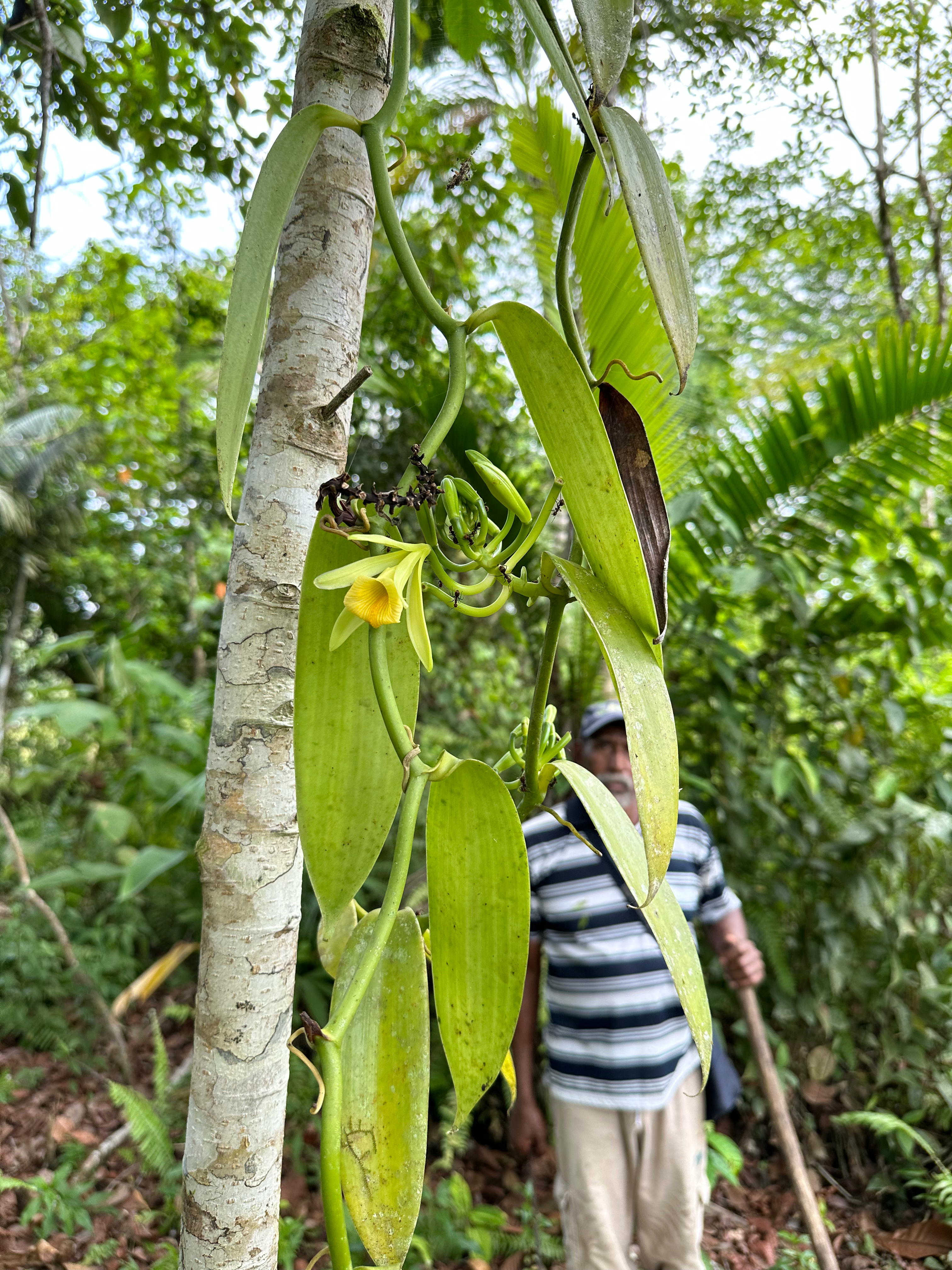
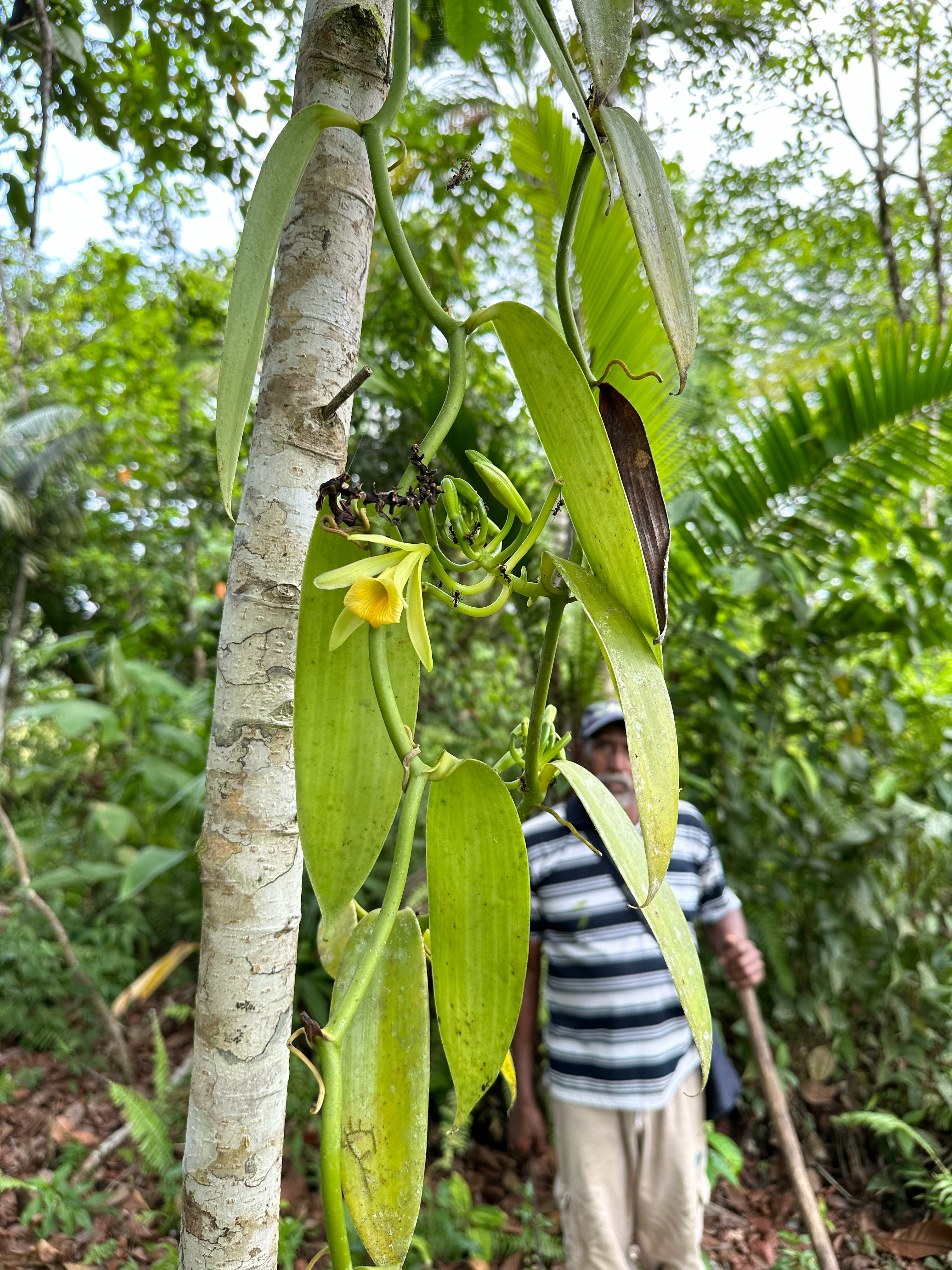
The plant from which the new species was described, located in the plot of a member of the project “Vainilla Aroma Chocó” in Bahía Solano, Chocó, Colombia.
Bridging scientific and local knowledge to describe Vanilla pacifica is the first, essential step for the safeguarding of this species. Now, within the framework of the project “Vainilla Aroma Chocó”, this species will be included in Vanilla conservation and sustainable management plans in the territories of the community councils.
The article “Vanilla pacifica (Orchidaceae), a new wild relative of the vanilla crop native to the Chocó region” is available in Discover Plants: https://doi.org/10.1007/s44372-026-00733-7
Follow the Topic
-
Discover Plants
A fully open access, peer-reviewed journal supporting multidisciplinary research across all fields relevant to molecular, cellular, tissue, organ and whole organism research as well as plant breeding, plant pathology, and the interaction of plants with the environment.

Related Collections
With Collections, you can get published faster and increase your visibility.
Plant–Soil Microbiome Interactions: Microbial Diversity, Networks, and Sustainable Crop Production
This collection focuses on the close relationships between plants, soils, and the many microorganisms that live around plant roots. These microbes are essential for healthy crops and strong ecosystems. They help plants absorb nutrients, store carbon in soil, tolerate stress such as drought, and resist diseases. Instead of working alone, microbes function as connected communities, shaped by plant roots, soil conditions, and the environment.
This collection presents new research on how microbial diversity and community connections affect crop growth and soil health. Special attention is given to network-based studies that identify important microbes, group functions, and interaction patterns that keep microbiomes stable and productive. Topics include how plants communicate with microbes, how root secretions shape microbial communities, the use of genetic tools to study microbial functions, and models that explain microbiome changes over time and space.
The collection also links basic science with real farming practices. It explores ways to use beneficial microbes to improve agriculture, such as microbial fertilizers, mixed microbial communities, soil health measurements, climate-resilient farming systems, and regenerative practices that support healthy soils.
By combining ecological knowledge, modern biological tools, and field studies, this collection aims to better understand plant–soil microbiome systems and apply this knowledge to improve crop production, protect the environment, and support global food security.
Keywords: rhizosphere microbiome; plant–soil feedbacks; microbiome networks; microbial diversity; nutrient cycling; plant growth-promoting rhizobacteria (PGPR); soil health
Publishing Model: Open Access
Deadline: Nov 14, 2026
Nanotechnology for Plant Development & Health Management
Agricultural sustainability is a concern that is rising profoundly around the globe. Where it directly impacts the germination, growth, yield, and overall agricultural productivity, and indirectly, human consumers are also affected. Global climate change is significantly influencing agriculture presently, so the focus is on more sustainable solutions to this issue, which mostly include phytochemicals and nanomaterials. Nanomaterials are supposed to be unpredictable and novel, which enhances their potential for targeting plant growth, development, and stress mitigation. Further, nanomaterials have found applications in various industries as well, which is how the nanomaterials are released directly or indirectly into the atmosphere, including soil and water. Hence, making it is important to evaluate the impact of nanomaterials on plants. Therefore, in the present scenario, it is essential to focus on the impact of NPs synthesized chemically, physically, biologically on various crops in the lab in vitro/ in vivo as well as in field conditions. Further, plant disease detection using nano-based sensors and stress management using nano-fertilizers is another aspect that can be benefited by the application of nanomaterials. This issue will provide an insight on how various nanomaterials possess the potential to target the global issue of agricultural productivity with the drastically increasing human population.
Keywords: Abiotic stress; Biotic stress; Plant health; Agricultural productivity; Crop management; Nanosensor; Plant pathology management
Publishing Model: Open Access
Deadline: Oct 09, 2026