Mr. Ayejoto's Groundbreaking Study on Water Quality and Public Health Risks
Published in Earth & Environment and Public Health


The intersection of water quality and public health, particularly concerning cancer risk, has become a focal point for both the United States Environmental Protection Agency (USEPA) and the World Health Organization (WHO). With projections highlighting a surge in health-related issues due to contaminated water sources, the urgency to address these challenges cannot be overstated. Groundwater, a crucial source of drinking water for millions, is increasingly compromised by pollutants, notably nitrate and heavy metals such as lead (Pb), iron (Fe), zinc (Zn), nickel (Ni), and chromium (Cr). These contaminants, aside from posing severe health hazards, elevate the cancer risk, underscoring the critical need for vigilant water quality monitoring and intervention strategies to safeguard public health. Mr. Ayejoto's study dives into this pressing issue, focusing on urban groundwater and aims to quantify the health risks associated with nitrate and heavy metal exposure, adhering to guidelines set by the USEPA and WHO.
In tackling this crucial issue, a team led by Daniel A. Ayejoto embarked on a rigorous assessment, collecting and analyzing groundwater samples from the Nnewi and Awka regions in Southeast Nigeria. Employing standard methods for evaluating water quality, they scrutinized ten samples from each area for their physicochemical properties, with a particular focus on nitrate and heavy metal (Pb, Fe, Zn, Ni, and Cr) concentrations. The approach was twofold: determining the levels of these metals in the groundwater and assessing the potential health risks through established metrics such as the Health Hazard Index and Carcinogenic Risk analysis. Their approach integrated the use of the HHRISK code and the Water Quality Index (WQI) to assess the health risks posed by potentially toxic elements (PTEs) found in water samples collected from various sources, including streams, hand-dug wells, springs, and boreholes. This dual-method analysis allowed for a robust assessment of both the water quality and the potential health risks to the population.
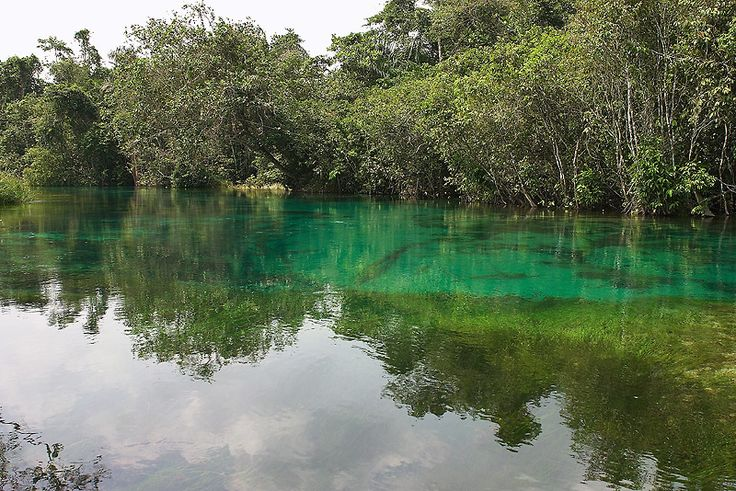

The results from their investigation were revealing and, frankly, concerning. The WQI categorized only 11% of the water samples as good, indicating that a mere fraction of the tested sources met quality standards suitable for human consumption. Alarmingly, 53% were classified as unfit for human consumption, revealing a significant public health issue with water quality in the region. The remaining samples were divided between poor (25%) and very poor (3%) quality.
Moreover, the study identified Pb as the predominant contaminant, with the risk assessment models underscoring a particular vulnerability among children to these heavy metals. This finding points to the urgent need for targeted protective measures to shield this susceptible segment of the population from potential health hazards.
The carcinogenic risk is calculated based on the concentration of carcinogenic substances (in this case, heavy metals like lead (Pb)) in the water and the exposure level of individuals to these contaminants. The findings indicate alarmingly high levels of Pb in certain samples, pointing towards an increased risk of cancer among the population consuming this water. Particularly, children, who are more susceptible to the adverse effects of heavy metals, face a heightened risk, underscoring a dire need for immediate public health interventions.
These revelations are not just a wake-up call for local health authorities in Southeast Nigeria but resonate across global scales, where similar environmental and public health challenges persist. The results of the carcinogenic risk assessment underscore the criticality of establishing robust water quality monitoring frameworks and implementing stringent regulatory standards to mitigate such risks. It emphasizes the need for concerted public health strategies that include community awareness, periodic health screenings for early detection of potential health issues, and infrastructure investment to eliminate contaminants from water sources.
Furthermore, the study exemplifies the indispensable role of scientific research in informing and guiding public health policies. By quantifying the carcinogenic risks associated with groundwater contamination, it provides empirical evidence that can be leveraged by policymakers and health organizations to prioritize resource allocation, develop targeted health interventions, and enact regulations that safeguard public health from carcinogenic threats.
In a broader context, the research contributes to the global discourse on environmental health, offering a model for assessing and addressing carcinogenic risks in water supplies. It calls for an integrated approach, combining scientific inquiry, public health advocacy, and policy-making to tackle the multifaceted challenges posed by waterborne contaminants. Ultimately, the study not only aims to mitigate the carcinogenic risks identified but also to foster a safer, healthier future by ensuring clean, safe drinking water for all, reflecting a commitment to public health and environmental sustainability on a global scale.




Please sign in or register for FREE
If you are a registered user on Research Communities by Springer Nature, please sign in