Photobiomodulation as a Translational Model of Biophysical Therapeutics
Published in Healthcare & Nursing and Pharmacy & Pharmacology
Modern medicine has achieved extraordinary advances through pharmacological therapy. However, increasing antimicrobial resistance, polypharmacy, systemic toxicity, and chronic drug-related complications continue to highlight the importance of developing complementary therapeutic strategies capable of reducing treatment burden while preserving clinical efficacy.[1] Concurrently, growing biomedical evidence demonstrates that biological systems are regulated not only through biochemical pathways, but also through measurable biophysical mechanisms.
Among non-pharmacological approaches, photobiomodulation (PBM) represents a clinically translatable example of how physical energy may influence biological systems through reproducible molecular mechanisms. PBM is based on the absorption of specific wavelengths of light by intracellular chromophores, particularly within mitochondria, resulting in modulation of cellular bioenergetics and intracellular signalling pathways.[2–5] Experimental and clinical evidence has demonstrated that PBM may influence ATP production, reactive oxygen species modulation, inflammatory mediators, angiogenesis, tissue repair, and analgesic responses.[2–7]
Importantly, these biological effects are achieved without many of the systemic adverse effects commonly associated with prolonged pharmacological therapies. Clinical applications of PBM have expanded across multiple medical fields, including wound healing, musculoskeletal disorders, oral medicine, inflammatory conditions, pain management, and supportive cancer care.[3,4,7] Although further high-quality clinical evidence remains necessary in several indications, the mechanistic rationale supporting PBM has become increasingly robust.
More recently, experimental evidence has demonstrated that PBM may also modulate inflammatory and immunological responses in transplantation biology, reinforcing its broader translational potential beyond conventional tissue repair applications.[8] These findings further support the concept that controlled physical energy may influence tissue homeostasis and immune regulation through measurable cellular mechanisms.
From a broader translational perspective, PBM illustrates how physical energy may influence cellular function through quantifiable molecular interactions. At the mitochondrial level, photon absorption has been associated with alterations in oxidative metabolism, electron transport, redox signalling, and intracellular stress-response pathways.[2,5,6] These mechanisms reinforce the growing recognition that biophysical modulation may represent an important complementary therapeutic strategy within modern medicine.
This perspective does not propose the replacement of pharmacological therapy or evidence-based conventional interventions. Rather, it supports the continued scientific investigation of therapeutic strategies capable of modulating biological behaviour through physical mechanisms, particularly in clinical settings characterised by chronic inflammation, impaired tissue repair, antimicrobial resistance, and cumulative drug toxicity.
Continued investigation into biophysical therapeutic strategies may contribute to the development of safer and more targeted adjunctive treatments in translational medicine. PBM may represent one of the most established contemporary examples of this evolving therapeutic paradigm.
REFERENCES
- World Health Organization. Antimicrobial resistance. Geneva: World Health Organization; 2023.
- Hamblin MR. Mechanisms and mitochondrial redox signaling in photobiomodulation. Photochem Photobiol. 2018;94(2):199-212. doi:10.1111/php.12864
- Maghfour J, Schachter J, Nambudiri VE. Photobiomodulation CME part I: Overview and mechanisms of action. J Am Acad Dermatol. 2024;90(3):589-600. doi:10.1016/j.jaad.2023.10.048
- Al Balah OF, Abu-Naser SS, Alshaer W, Abu-Nasser BS, Hamadneh I, Abuarqoub D. Immunomodulatory effects of photobiomodulation. Lasers Med Sci. 2025;40(1):89. doi:10.1007/s10103-025-04417-8
- de Freitas LF, Hamblin MR. Proposed mechanisms of photobiomodulation or low-level light therapy. IEEE J Sel Top Quantum Electron. 2016;22(3):7000417. doi:10.1109/JSTQE.2016.2561201
- Karu TI. Mitochondrial mechanisms of photobiomodulation in context of new data about multiple roles of ATP. Photomed Laser Surg. 2010;28(2):159-160. doi:10.1089/pho.2010.2789
- Chung H, Dai T, Sharma SK, Huang YY, Carroll JD, Hamblin MR. The nuts and bolts of low-level laser (light) therapy. Ann Biomed Eng. 2012;40(2):516-533. doi:10.1007/s10439-011-0454-7
- Honorio S, Montero EFS, Bomfim FRC, et al. Photobiomodulation modulates IL-6 and TNF-α expression in fetal intestinal grafts: an immunohistochemical study in a murine model. Lasers Med Sci. 2026. doi:10.1007/s10103-026-04883-8
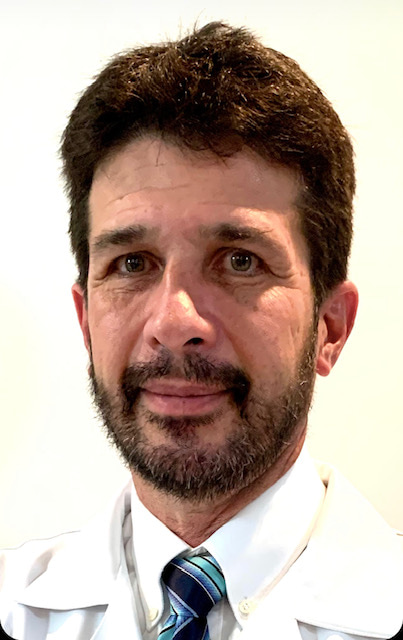
Holds a degree in Dentistry from the University of Santo Amaro (1991).
Specialist in Oral and Maxillofacial Surgery and Traumatology from the University of São Paulo (2012).
Doctor of Interdisciplinary Surgical Science at the Federal University of São Paulo - UNIFESP.
Assistant Professor of the Continuing Education courses, Modules 1 and 2, in Minor Oral Surgery under Professor Marcos Vianna Gayotto at Fundecto/USP, from August 2012 to June 2021.
Assistant Professor of the Specialization in Oral and Maxillofacial Surgery and Traumatology under Professor Marcos Vianna Gayotto at Fundecto/USP, from August 2012 to June 2021.
Surgical Preceptor for the Specialization in Oral and Maxillofacial Surgery and Traumatology under Professor Marcos Vianna Gayotto at Fundecto/USP, from July 2018 to June 2021.
Surgical Preceptor for the CTBMF Specialisation at the IOA - Orofacial Institute of the Americas, Piracicaba unit, March 2026
Oral and Maxillofacial Surgeon at Day Hospital in Ermelino Matarazzo, São Paulo, from August 2012 to September 2023.
Head of the Oral and Maxillofacial Surgery and Traumatology team at Day Hospital in Ermelino Matarazzo, São Paulo, from August 2018 to September 2023.
Oral and Maxillofacial Surgeon at São Miguel Hospital, São Paulo, from August 2018 to September 2023.
Full Member of the Brazilian College of Oral and Maxillofacial Surgery and Traumatology.
Member of the Brazilian Society of Oral and Maxillofacial Surgery and Traumatology.
Has experience in the field of Dentistry, with an emphasis on Oral and Maxillofacial Surgery.
Oral and Maxillofacial Surgeon at Santa Casa de Misericórdia de Laranjal Paulista.
Partner at BeneEsse Specialized Dentistry.
Dental Surgeon at the Municipal Government of Laranjal Paulista and the Rural Union of Laranjal Paulista.