Phytochemicals and health - Contribution highlights
Published in Healthcare & Nursing

About this Collection
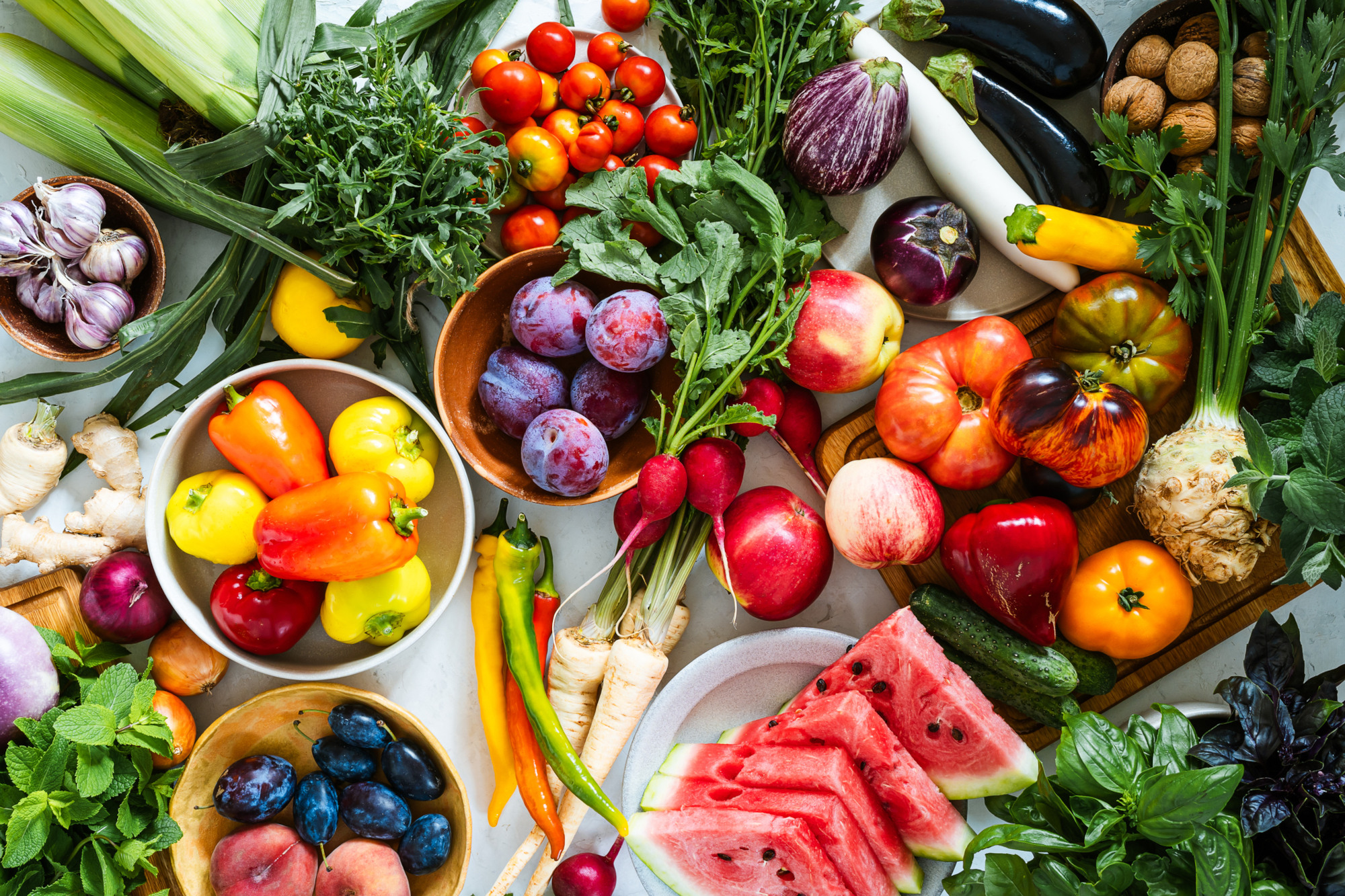
Phytochemicals, including flavonoids, carotenoids, polyphenols, and glucosinolates, exert antioxidant, anti-inflammatory, and anticancer effects contributing to prevention and management of chronic diseases. These bioactive compounds, abundant in fruits, vegetables, and herbs, modulate cellular pathways involved in metabolism, immune function, and oxidative stress.
This will be a Collection of original research papers and will be open for submissions from all authors – on the condition that the manuscripts fall within the scope of the Collection and of Scientific Reports more generally. We are welcoming submissions until 28th July 2026.
Contribution highlights
The study found that five traditional medicinal plants from Romania and Türkiye contain natural compounds that can inhibit carbonic anhydrase, an enzyme linked to fluid balance and several health conditions. It highlights summer savory as the most promising plant due to its strong enzyme‑blocking activity and rich antioxidant profile.
Biochanin A—a natural compound found in plants like red clover—was shown to bind to and potentially inhibit DEPTOR, a protein linked to brain cell stress in Alzheimer’s disease. In cell experiments, it helped protect neurons from damage, suggesting it may be a promising molecule for future Alzheimer’s‑related therapies.
The study examined the wild melon Cucumis melo var. agrestis and found that its leaves, stems, and fruits contain high levels of natural antioxidant compounds that could help protect cells from damage. The researchers also documented the plant’s detailed structure and chemistry, showing it may be a valuable source of plant‑based antioxidants for future health or nutraceutical applications.
The study found that bromelain—the enzyme mixture from pineapple—can damage human immune cells at higher doses by triggering cell death pathways and causing DNA breaks. These effects suggest that while bromelain has therapeutic potential, its safety depends strongly on dose and exposure conditions.
PEGylated liposomes helped deliver the natural compound kaempferol more effectively through the body, improving how long it stays in the bloodstream and how well it reaches tumours. This enhanced delivery boosted its anticancer activity while also reducing side effects, suggesting a safer and more powerful treatment approach.
The researchers found that early, colourless carotenoid precursors were surprisingly effective at protecting liposomes—tiny fat‑based membrane models—from UV‑induced oxidative damage, in some cases performing as well as or better than lycopene. Their results suggest these precursor molecules could serve as useful natural UV‑protective antioxidants in biological or product applications.
The study showed that specific phenylpropanoids and ursane triterpenes extracted from Lavandula coronopifolia reduced LPS‑triggered inflammation in mouse macrophage cells by lowering inflammatory signals and promoting healthier cell behaviour. These findings suggest the plant’s compounds may serve as promising natural anti‑inflammatory agents.
Who is involved?
Guest Editors:
- Sudarshana Borah, PhD, The Assam Royal Global University, India
- Nelson Jeng Yeou Chear, PhD, Centre for Drug Research, Universiti Sains Malaysia, Malaysia
- Charalampos Proestos, PhD, National and Kapodistrian University of Athens, Greece
Internal Team:
- In-House Editor: Shelby Bollen, Scientific Reports, UK
- Commissioning Editor: Sophie Gray, Fully OA Brands, Springer Nature, UK
- Managing Editor: Libby Symons, Fully OA Brands, Springer Nature, UK
How can I submit my paper to a Collection?
Visit the Scientific Reports website to explore all Collections and learn how to submit your article.

I am a Commissioning Editor in the Fully OA Brands team at Springer Nature, working on themed Collections in Scientific Data and Scientific Reports. I previously worked as a Publishing Assistant for BMC and hold a bachelor's degree in Biochemistry from Newcastle University.
Follow the Topic
-
Scientific Reports
An open access journal publishing original research from across all areas of the natural sciences, psychology, medicine and engineering.
-
A Collection of original research articles investigating the mechanisms underlying phytochemical health effects, therapeutic potential, and challenges related to bioavailability and clinical application.

Related Collections
With Collections, you can get published faster and increase your visibility.
Cancer Prevention and Control
Publishing Model: Hybrid
Deadline: Feb 19, 2027
Healthy Aging
Publishing Model: Open Access
Deadline: Dec 31, 2026