Preserved for discovery: using museum specimens to uncover a new parasitic trematode of fish
Published in Ecology & Evolution, Biomedical Research, and Zoology & Veterinary Science






The Hidden World of Trematodes
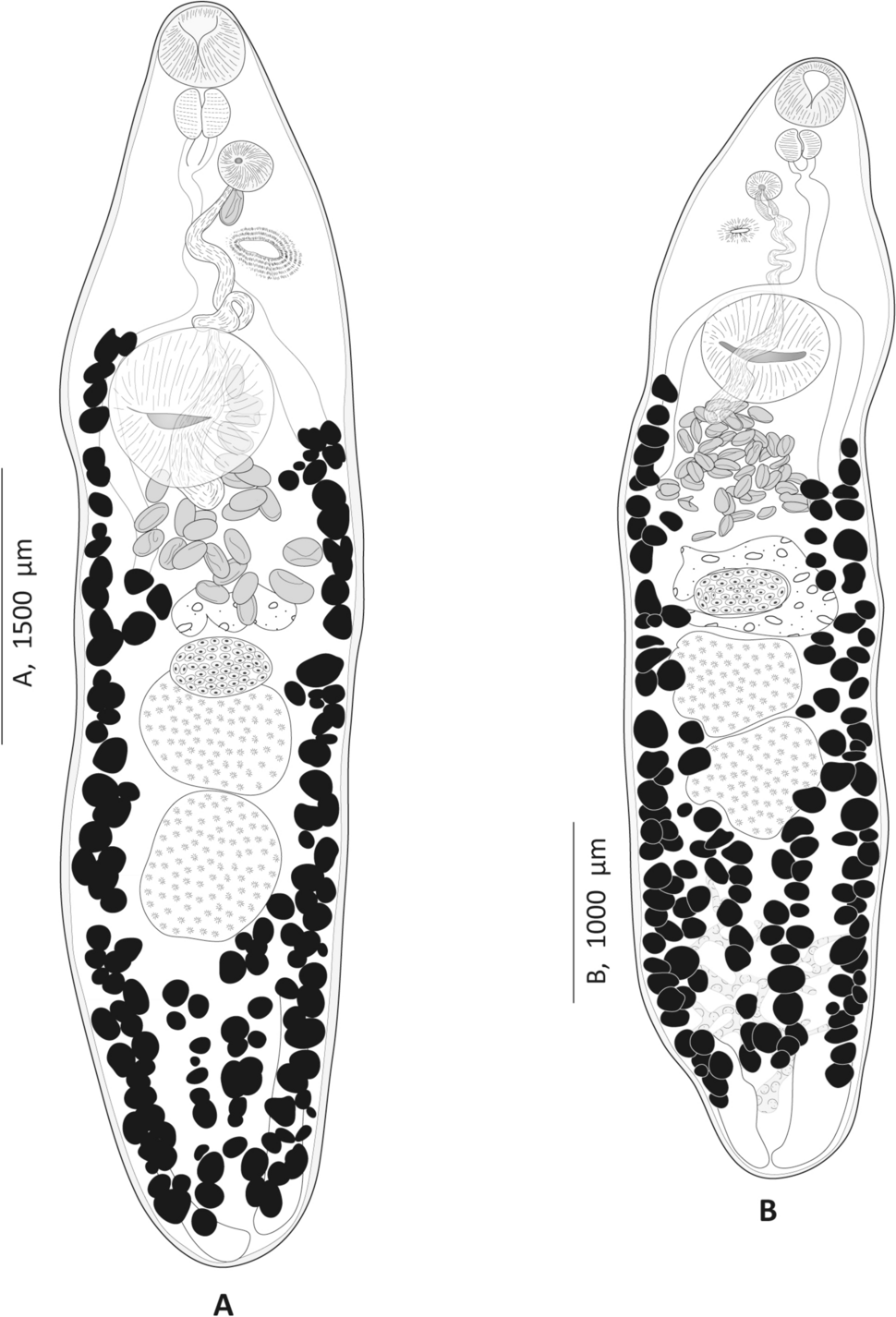
Trematodes, or flukes, are parasitic flatworms that inhabit the intestines of marine fish. Among these, opecoelids are notoriously difficult to classify. One unresolved case involved the genus Genitocotyle Park, 1937 (Trematoda, Opecoelidae), which was suspected to be present in the cardinal fish Apogon imberbis (Linnaeus, 1758). By re-examining 1951 specimens from the NHMUK alongside fresh collections from A. imberbis from the Western Mediterranean, we were able to describe a new species, Genitocotyle necromnemos Zedam, Bouguerche & Tazerouti, 2025, that had long remained undescribed.
A Journey that Began in Madeira
The story of G. necromnemos begins with specimens collected from A. imberbis off Madeira in 1951. These trematodes were preserved in the Natural History Museum, London, where they were catalogued but never formally described. For decades, their identity remained unresolved, quietly waiting on museum shelves.
Rediscovering the Past with Modern Tools
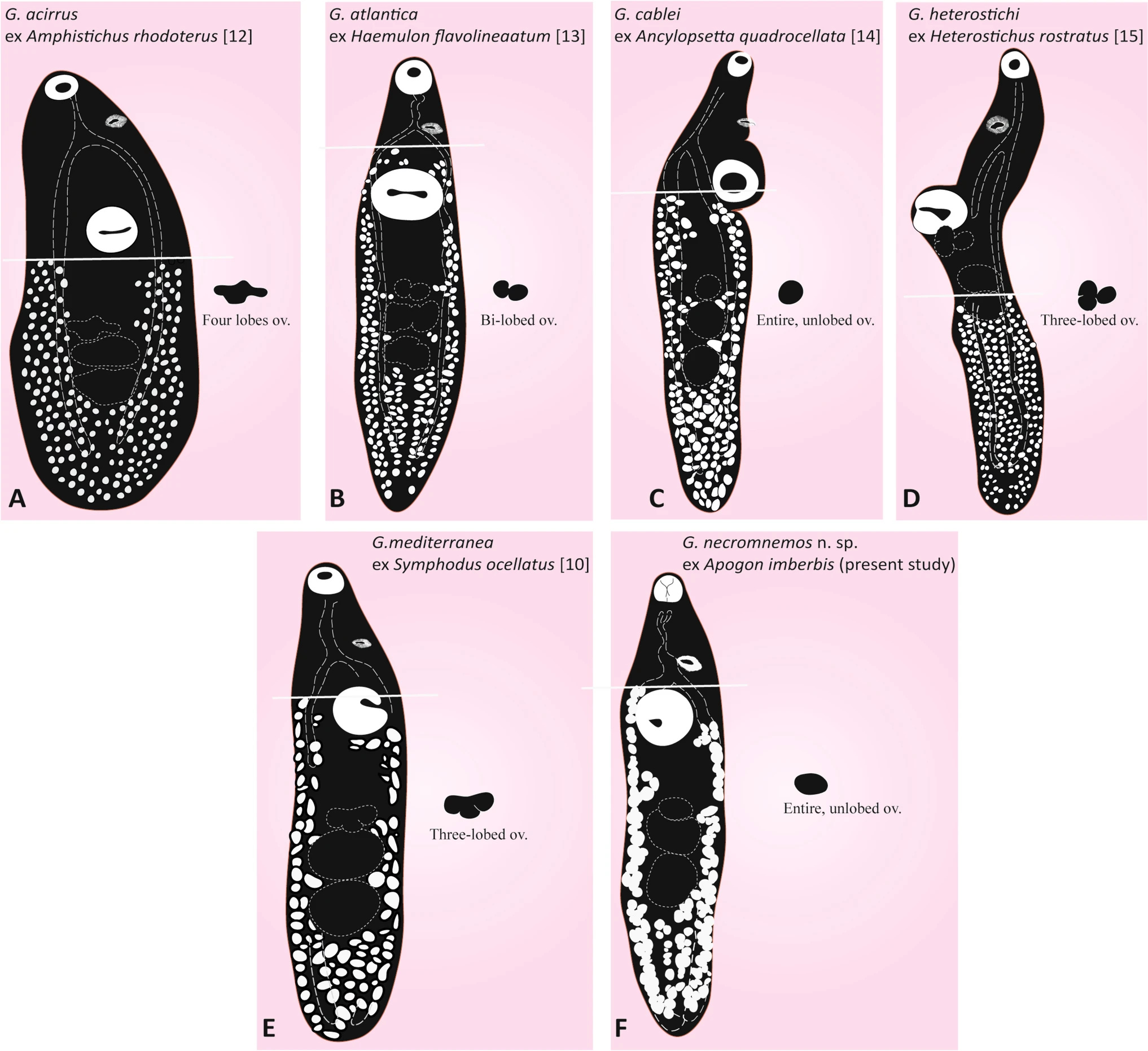
In a recent research, these historical specimens were revisited and examined. By comparing them with newly collected material from the Western Mediterranean, researchers identified significant differences, leading to the formal description of the new species: G. necromnemos. This species was distinguished by its larger body size, more numerous eggs, extended post-testicular region, seminal vesicle restricted to the forebody, extended vitellarium, and distinct ovary shape.
Providing a Key to the Genus
In addition to describing the new species, the study provides a key to all known species of Genitocotyle. Identification keys are essential tools in parasitology. They allow researchers to reliably distinguish species, support biodiversity surveys, and facilitate ecological and evolutionary studies. This new key ensures that the genus can be studied and identified accurately by researchers worldwide.
Why Museums Matter
This discovery highlights the critical role of museum collections in advancing scientific knowledge. Specimens preserved decades ago provide an irreplaceable historical record of biodiversity, often from locations or host species that may have changed over time. They allow researchers to revisit and reinterpret data using modern techniques, including molecular analyses that were unavailable at the time of collection. Museums also enable long-term studies of species distribution, morphological variation, and host-parasite relationships across space and time. In this case, the preserved specimens were key to identifying G. necromnemos, demonstrating that museum collections are not just repositories: they are active, dynamic resources that continue to uncover hidden biodiversity and inform our understanding of life in the oceans.
Follow the Topic
-
Acta Parasitologica
This is an international, peer-reviewed journal, publishing original research on all aspects of parasitology and host-parasite relationships.