Prevalence and correlates of food insecurity among Bangladeshi university students: associations with psychological distress and academic performance—a cross-sectional study
Published in Agricultural & Food Science and Behavioural Sciences & Psychology
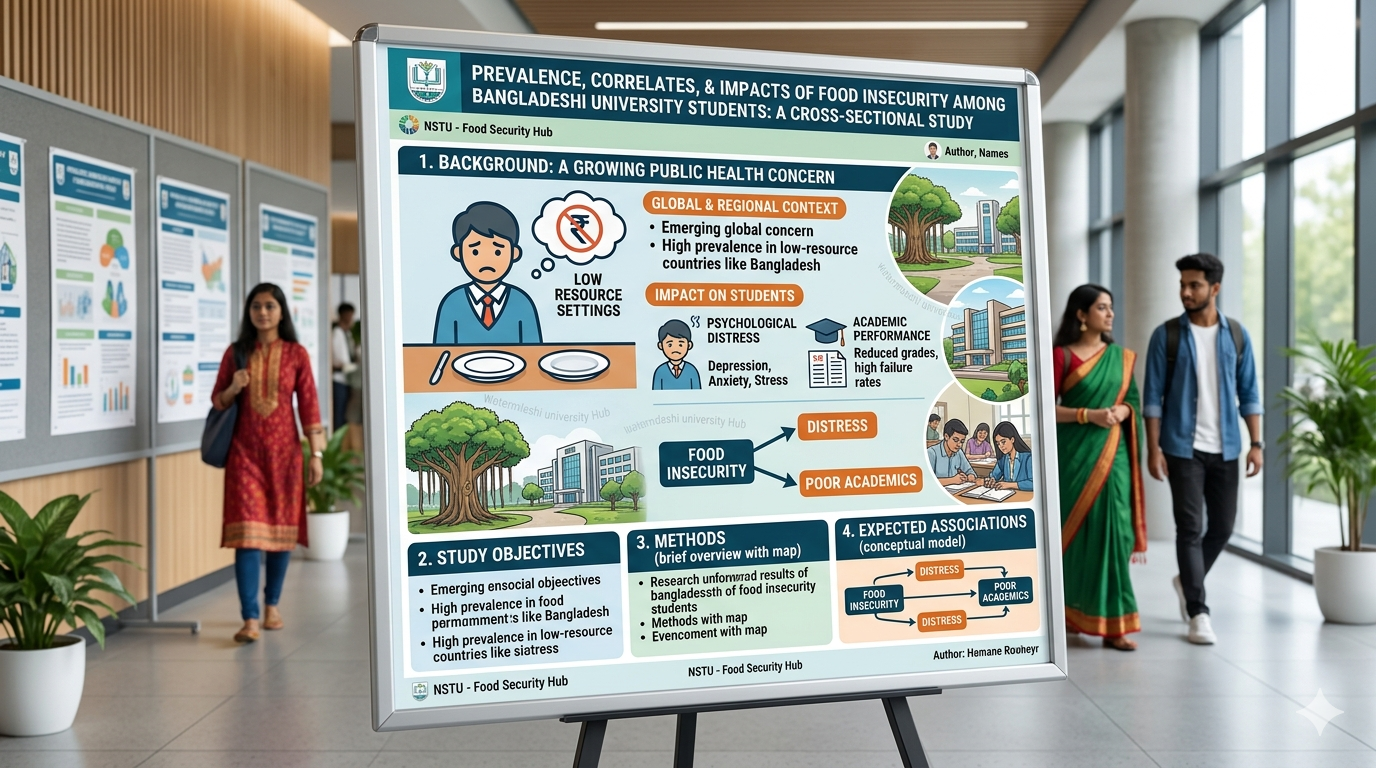
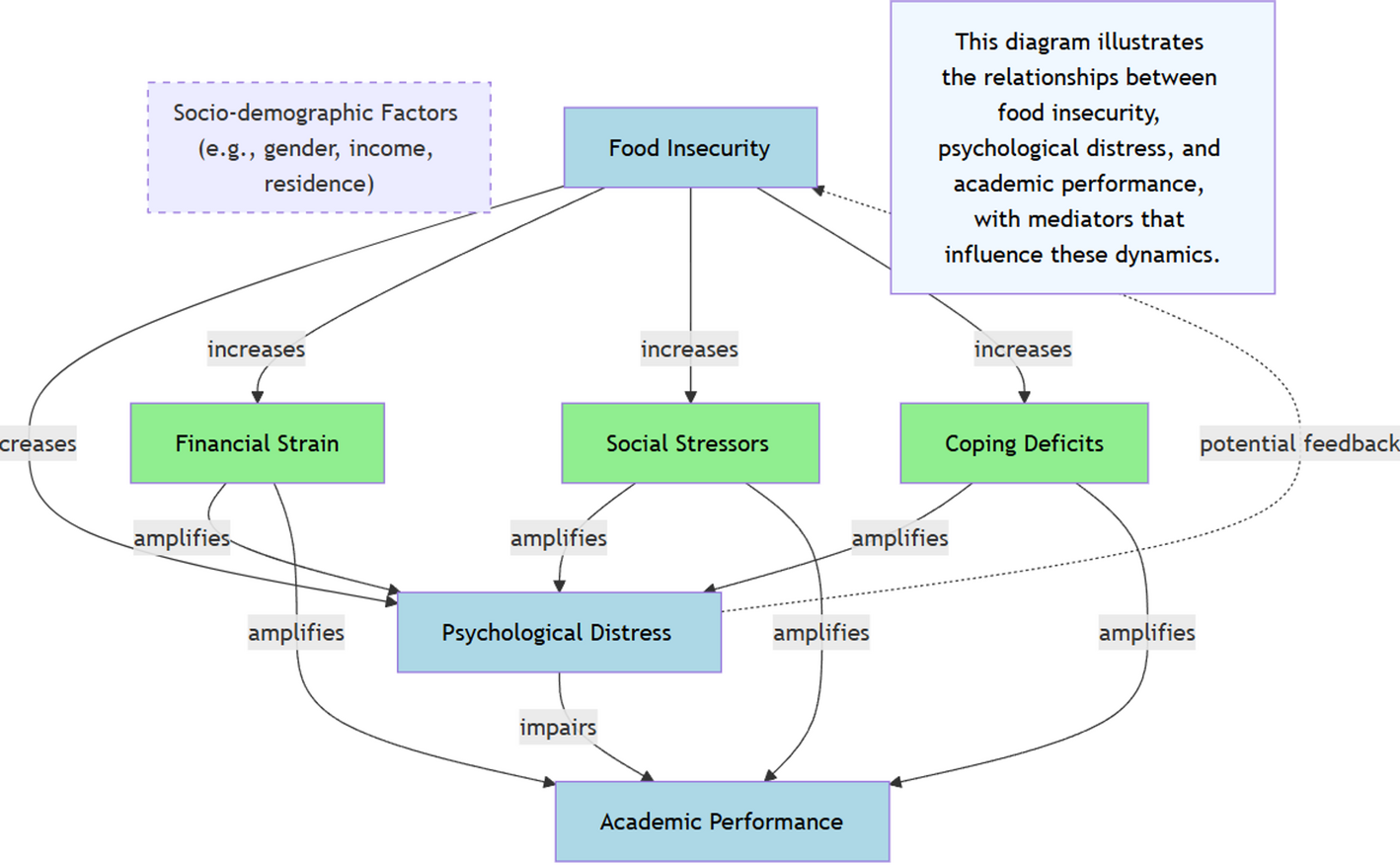

Our paper investigates the critical issue of food insecurity among university students in Bangladesh, focusing on its impact on psychological distress and academic performance. Conducted at Noakhali Science and Technology University, the study involved 397 students and utilized the Food Insecurity Experience Scale (FIES) and the Depression, Anxiety, and Stress Scale-21 (DASS-21). Findings revealed that 65.5% of students experienced food insecurity, which was significantly linked to anxiety, stress, and academic challenges. These results underscore the urgent need for interventions like food assistance programs and mental health services to support student well-being. Read the full paper here.

Follow the Topic
-
Discover Social Science and Health
Discover Social Science and Health is an open access journal publishing research across the full range of disciplines at the intersection of health, social and biomedical sciences.

Ask the Editor – Collective decision-making
Got a question for the editor about Experimental Psychology and Social Psychology? Ask it here!
Continue reading announcementRelated Collections
With Collections, you can get published faster and increase your visibility.
Social, Cultural and Nature-based Prescribing for Health and Well-being across Contexts: Policy, Research and Practice
Social, Cultural and Nature-based Prescribing is an innovative approach that builds connections between individuals, healthcare and existing support resources in the community to improve health, well-being and quality of life. It stems from a growing recognition that, when health professionals are confronted with social, emotional and practical needs of patients that impact their health and well-being, exclusively clinical approaches are not enough to respond effectively to those needs, and that a preventative and health promotion approach is needed. Through a model of integrated health, social and cultural care, Social, Cultural and Nature-based Prescribing facilitates the link of individuals to existing support resources in the community through individualized responses adapted to the specific needs of each one. The answers may be promotion of healthier lifestyles (e.g. physical activity, healthy cooking), contact with nature (e.g. walking, gardening), socioeconomic support, social activation, personal and professional development (e.g. volunteering, training and employment), and cultural participation (cultural, artistic and creative activities), among many others. In this way, Social, Cultural and Nature-based Prescribing strengthens the articulation between different sectors with impact on health (e.g. social, cultural, sports, educational, urbanism, environmental), helps to optimize and enhance existing resources and contributes to health systems sustainability. As health systems worldwide strive for a patient-centred care, Social, Cultural and Nature-based Prescribing emerges as a key element to bridge medical care and the broader social determinants of health, promoting a shift towards more preventative and participatory models. This collection invites contributions to deepen the evidence base on the implementation process, outcomes and impact of Social, Cultural and Nature-based Prescribing and discuss its implications for policy, research and practice, based on experiences and lessons learned from initiatives implemented worldwide.
Keywords: Social Prescribing, Nature-based Prescribing, Arts-based Prescribing, Integrated care, Person-centred care, Health Promotion, Disease Prevention, Multisectoral action, Vulnerable populations.
This Collection supports and amplifies research related to SDG 3, SDG 10, SDG 11, and SDG 17.
Publishing Model: Open Access
Deadline: Jun 30, 2026
Health Promotion: from Qualitative to Quantitative Approaches to Social and Health Issues
We are delighted to announce the upcoming topical collection of our scientific journal, titled "Health Promotion: from Qualitative to Quantitative Approaches to Social and Health Issues" This collection will delve into the significant potential of Health Promotion strategies, employing both qualitative and quantitative approaches to address social and health-related challenges. We invite academics, researchers, and professionals to contribute original research articles, systematic reviews, and case studies that explore the intricate relationship between various interventions and overall health outcomes.
The topical collection will focus on a wide range of compelling topics, including but not limited to:
• Health Promotion and Physical Activity: Exploring the role of physical activity in preventing and managing health conditions and its impact on quality of life.
• Health Promotion and Nutrition: Investigating the influence of nutritional strategies on health promotion, including diet-based interventions and public health nutrition policies.
• Multi-professional Approach to Health Promotion: Investigating collaborative efforts among healthcare professionals from diverse disciplines to improve the effectiveness of health promotion interventions and strategies.
• The Role of Physical Exercise in biopsychological Aspects: Understanding how physical exercise contributes to mental health, quality of life and well-being, including its effects on stress, anxiety, and depression.
• Technology and Health Promotion Interventions: Evaluating digital tools and technologies in promoting health, such as mobile health apps, telehealth services, social media uses, and online health education platforms.
• Multiprofessional and interdisciplinary interventions focusing on significant socioeconomic and social aspects across different life stages.
We aim to comprehensively understand the diverse methods through which Health Promotion can address social and health issues. This topical collection will be an invaluable resource for healthcare professionals, academics, and policymakers dedicated to improving public health outcomes through innovative strategies and interventions.
We eagerly anticipate your valuable contributions and insights that will enrich this collection.
Keywords: Disease Prevention, Exercise Therapy, Health Nutrition, Health Policy, Health Promotion, Health Technology, Mental Health, Primary Prevention, Public Health, Qualitative Research
Publishing Model: Open Access
Deadline: Jun 30, 2026



Please sign in or register for FREE
If you are a registered user on Research Communities by Springer Nature, please sign in