Recovery Isn’t Linear: Relapse and Primary Care in Focus
Published in Healthcare & Nursing, Sustainability, and General & Internal Medicine
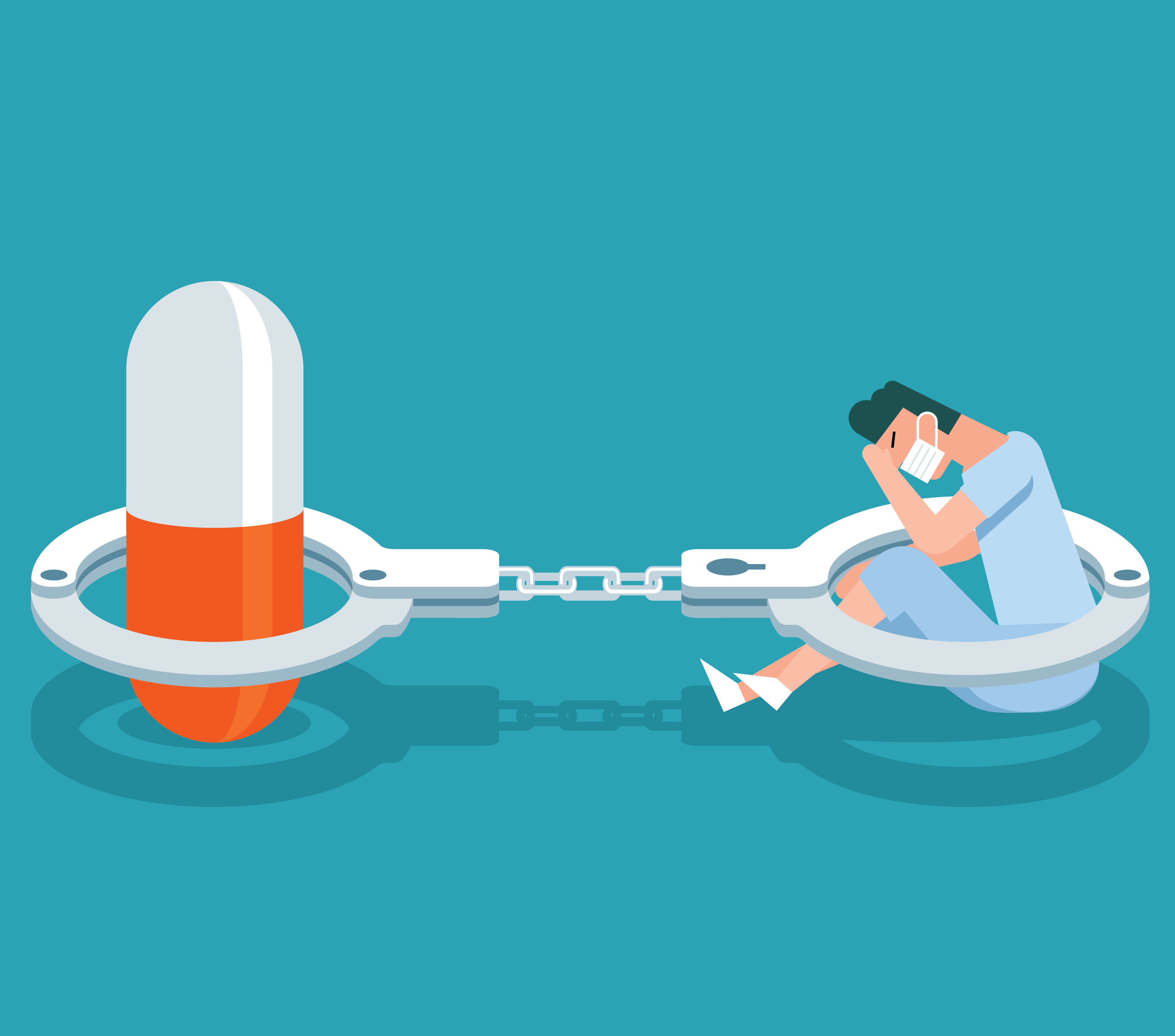





Relapses in substance use disorders have long been treated as a mark of failure. Patients who slip back into use are often stigmatized, and the conversation rarely moves beyond abstinence. But new research is changing the tone. Instead of seeing relapse as the end of the road, studies are reframing it as part of a chronic condition — one that can be managed, predicted, and even prevented when primary care takes the lead.
BMC Psychiatry published a meta‑analysis that drew attention across the field. The study showed that relapse is strongly linked to social support, mental health conditions, and treatment adherence. Depression and anxiety, left untreated, increase the likelihood of relapse, while strong family and peer networks reduce it. All doctors should be able to spot these factors early and build them into prevention plans, turning routine visits into proactive interventions.
Another study in Scientific Reports highlighted the human side of relapsing. Patient narratives revealed how shame, stigma, and lack of follow‑up drive recurrence. Recovery is not just biochemical — it’s emotional. For primary care, this means creating stigma‑free environments where patients feel safe enough to stay engaged. Even short, structured cognitive‑behavioral therapy (CBT) exercises during routine visits improved resilience and reduced relapse. This reframes CBT from a specialist tool into something accessible in everyday practice.
Youth substance use came under the spotlight in a BMC Pediatrics paper. Researchers tracked adolescent use and found clear links to long‑term relapse risk. The implication is urgent: primary care must act as the neighborhood watch, screening during youth visits and intervening before habits harden into lifelong cycles.
The BMC Primary Care article added a practical dimension. Trials of alcohol and tobacco screening showed that embedding checks into regular visits is both feasible and effective. Primary care, in this view, is not just a referral point — it’s the frontline defense against relapse.
Similarly, recovery isn’t just about medication — it’s about what’s on your plate. BMC Nutrition published two papers, which tested structured diets and nutrition pilots among opioid users. Results showed that healthy eating improved recovery outcomes and lowered relapse risk. For primary care, this means diet counseling is not peripheral — it’s a vital part of relapse management.
Of course, challenges remain. Stigma still keeps patients from disclosing their struggles. Fragmented care leaves psychiatry and primary care disconnected. And socioeconomic barriers — poverty, lack of transport, limited access to follow‑up — continue to drive relapse. Yet the bigger picture is hopeful. The evidence shows that relapse prevention can be holistic, patient‑centered, and practical. The opinion is equally clear: if primary care embraces empathy, lifestyle change, and continuity of care, relapse can be managed like any other chronic disease.
This blog engages with SDG3 and will contribute to the SDG3 Newsletter group

Priya joined Springer Nature in 2024 as an Associate Editor with the BMC Series. She holds a PhD in Biochemistry and is based in the Pune office.
Her background encompasses academic research in food product development using seaweed and its bio‑actives, evaluating the food product's efficacy in animal and cell models, and progressing through preclinical and clinical studies. Alongside this, she has gained valuable experience in scientific publishing. She is strongly committed to advancing research integrity, with a particular emphasis on transparent, ethical, and reproducible practices. Her interests lie in people‑centered research and in enhancing the overall experience for both authors and reviewers.
Follow the Topic
-
Scientific Reports
An open access journal publishing original research from across all areas of the natural sciences, psychology, medicine and engineering.
-
BMC Primary Care
Previously known as BMC Family Practice, this is an open access, peer-reviewed journal that considers articles on all aspects of primary health care research.
-
BMC Psychiatry
This is an open access, peer-reviewed journal that encompasses a wide range of topics, including psychopharmacology, psychotherapy, and psychosocial approaches to psychiatric disorders, as well as genetics, pathophysiology, and epidemiology research.
-
BMC Pediatrics
This is an open access journal publishing peer-reviewed research articles in all aspects of health care in neonates, children and adolescents, as well as related molecular genetics, pathophysiology, and epidemiology.




Related Collections
With Collections, you can get published faster and increase your visibility.
Cognition and brain modulation
BMC Psychiatry is calling for submissions to our Collection on advances in understanding and treating cognitive dysfunction in mental illness through innovative neurotherapeutic approaches. Cognitive impairment is a core feature of many psychiatric disorders, including schizophrenia, major depressive disorder, bipolar disorder, and neurocognitive disorders, and is strongly associated with functional disability and reduced quality of life. Despite its clinical significance, cognitive dysfunction often remains insufficiently addressed in routine care.
This Collection aims to bring together research that examines the mechanisms, assessment, and treatment of cognitive dysfunction in psychiatric populations, with particular emphasis on brain modulation techniques. We welcome contributions that explore how targeted interventions can improve cognitive outcomes and enhance overall clinical recovery.
Topics of interest include, but are not limited to:
- Cognitive deficits in psychiatric disorders, including attention, memory, executive function, and processing speed impairments.
- Diagnostic approaches and biomarkers for cognitive dysfunction across psychiatric conditions.
- Neuromodulation techniques such as transcranial magnetic stimulation (TMS), transcranial direct current stimulation/alternating current stimulation (tDCS/tACS), transcutaneous auricular vagus nerve stimulation (taVNS), and deep brain stimulation (DBS).
- Pharmacological treatments targeting cognitive symptoms, including novel and adjunctive therapies.
- Integration of cognitive remediation with neuromodulation and pharmacotherapy.
- Neurobiological mechanisms underlying cognitive dysfunction and treatment response.
- Functional outcomes, including social and occupational recovery, associated with cognitive improvement.
- Safety, tolerability, and ethical considerations in brain modulation interventions.
By integrating emerging evidence across neurobiology, clinical practice, and therapeutic innovation, this Collection seeks to inform more effective and targeted approaches to improving cognitive and functional outcomes in mental health care.
All manuscripts submitted to this journal, including those submitted to collections and special issues, are assessed in line with our editorial policies and the journal’s peer-review process. Reviewers and editors are required to declare competing interests and can be excluded from the peer review process if a competing interest exists.
This Collection supports and amplifies research related to SDG 3: Good Health and Well-being.
Publishing Model: Open Access
Deadline: Mar 03, 2027
Phytochemicals and health
Publishing Model: Open Access
Deadline: Oct 28, 2026





Please sign in or register for FREE
If you are a registered user on Research Communities by Springer Nature, please sign in