Solutions to Identity-Based Mass Violence in Urban Contexts: Reflecting on Human Rights Day
Published in Social Sciences, Sustainability, and Law, Politics & International Studies
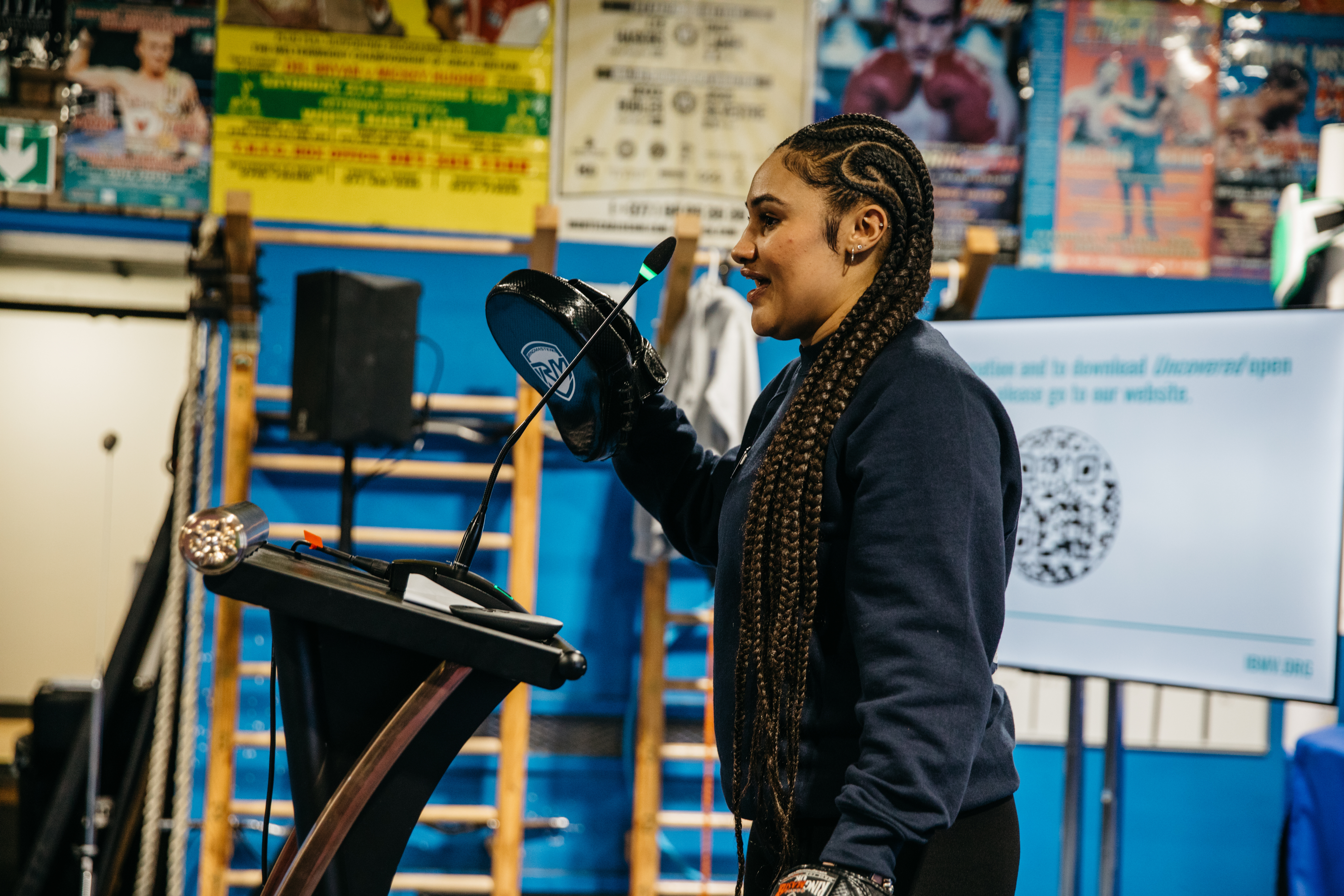





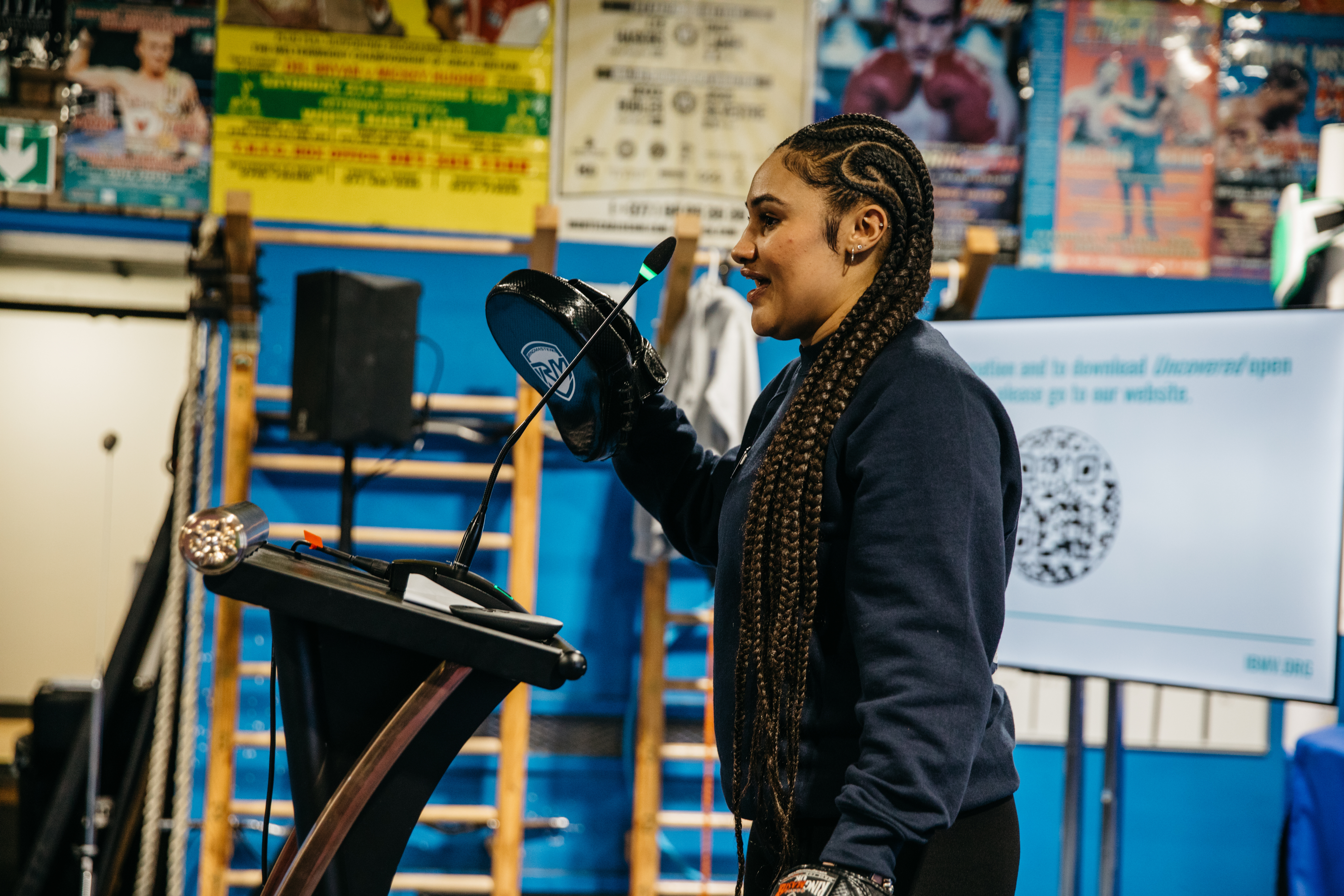
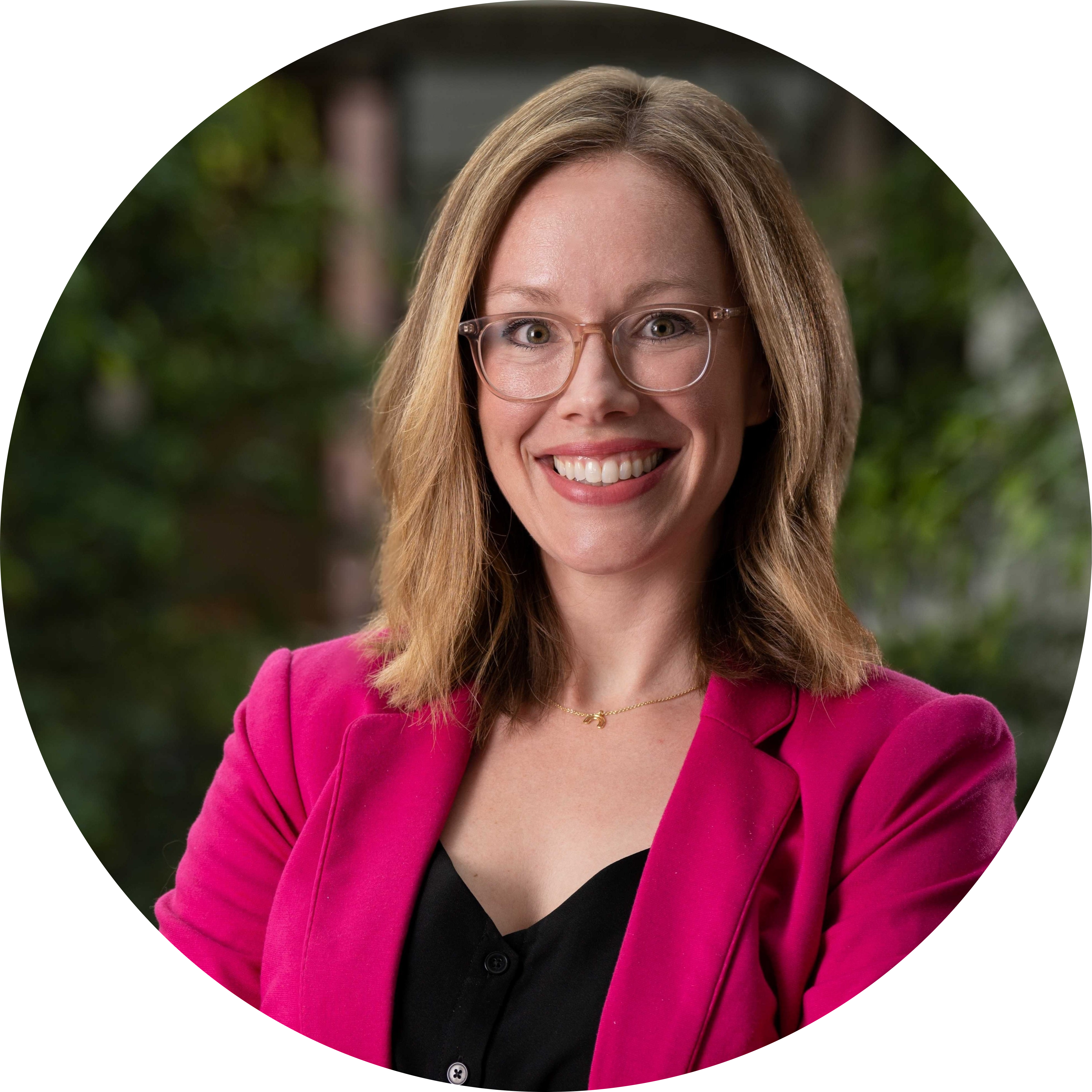
Last week we were honored to watch Serena Wiebe share her story at an event in Bristol, UK, her hometown. Now 21, she works as a boxing coach for vulnerable youth at Empire Fighting Chance in the neighborhood where she grew up. Serena told us what it’s like to feel like you only belong in certain areas of your own city, and she shared as an example her discomfort with being followed—based solely on her appearance—in beauty supply stores. She speaks about the way teachers don’t understand her and her peers, about how suspension rates for Black kids are much higher than for white kids, and about the effects these daily inequalities have on mental health, exclusion, and exploitation for young people.
Charity Worker Joins Global Experts to Reshape How Cities Tackle Violence
Serena knows these issues are systemic and not personal. She is, by all accounts, incredible. But as Antonio Sampaio writes about in the recently-published Identity-Based Violence in Urban Contexts: Uncovered:
“No-go” areas—dangerous streets and neighborhoods—coexist side by side with glittering financial centers and wealthy residential areas. In the many global cities affected by such inequalities, residents have learned to navigate the fragmentation of the urban space brought about by violence, so as to bypass and avoid troubled areas. Although so-called normal life can continue alongside violence, risks and vulnerabilities are not equally shared but tend to concentrate in space with very real risks and limits imposed on certain populations. (p. 177)
But violence and inequalities in urban spaces are not foregone conclusions. We know solutions exist to protect people in their daily lives, to recognize their dignity, agency, and inherent rights as human beings. That work takes place every day, among the systems that are meant to keep us safe and enable us to thrive as individuals and communities.
Those solutions include adopting public health approaches to preventing urban violence, treating violence as an infectious disease that can be traced, isolated, and stopped. Research also demonstrates that violence is reduced by taking a balanced approach to prevention and accountability, focusing intentionally on the people, places, and behaviors that are most deeply engaged with and at-risk for violent behavior, and contending with the structural and systemic inequalities that affect specific communities and identity groups. (Carbonari, p. 429)
Prevention also requires imagining new places and systems where people fulfill the vision of urban spaces that enable diversity to thrive. I love the idea of city leaders - government and community members alike - setting their priorities to align with an “ethics of care.” Meaning that those with power focus first and foremost on providing the best care to individuals and communities who live and work there and emphasize the strength of the social fabric as their highest ambition. What might that provide to the society as a whole in terms of its potential to thrive, produce, and prosper? (Bubenzer, p. 297)
Going back to Serena–whose story is also included in the book–urban planning plays a tremendous role in determining how and where people feel a sense of belonging. Officials responsible for planning decisions have power to determine whether processes are inclusive or exclusive, whose voices are heard or silenced, and which experiences are visible or erased. Communities can be weaved together intentionally, with their input. Or, as is witnessed by the construction of border walls and uneven zoning policies in cities across time, can be clearly distinguished from one neighborhood to the next.
It’s a choice, but as Natalia Cervantes writes in Identity-Based Violence in Urban Contexts: Uncovered:
“Effective planning responses to identity-based mass violence require a comprehensive understanding of the local context, active collaboration among stakeholders, and a commitment to creating safe, inclusive, and resilient communities, underscoring the fact that communities are not homogeneous and that individual and collective identity and perspectives matter.” (p. 401)
Solutions exist and are working to make people feel and experience safety. Systems, structures, and policies make a difference when people with power choose to listen to, include, and respect the experiences and perspectives of people from across diverse settings within urban landscapes. There is beauty and hope in diversity. And as Serena reminds us, every day we have the potential to make a difference.
Idris Elba writes in the foreword, “Knowing Serena and other young people I have learned from about this violence, I remain hopeful. I hope their voices will be heard. I hope we can see their potential and show up to support them.” (p. vii)
As we celebrate UN Human Rights Day, we hope you’ll consider your agency in making the world a safer and more peaceful place for all of us, one grounded on our inherent rights. To learn more about the research and stories presented in this blog, please visit ibmv.org or Springer Nature, where you can freely access the new edited volume: Identity-Based Mass Violence in Urban Contexts: Uncovered.
~Jai-Ayla Sutherland, Stanley Center for Peace and Security, Co-Editor, Identity-Based Violence in Urban Contexts: Uncovered
Follow the Topic
📢 Introducing: # Human Rights
# Human Rights is a Topic jointly created by Springer and Palgrave Macmillian to increase visibility and impact of research in this area and facilitate exchange amongst researchers.
Continue reading announcement
