Testing a nature-based family activity intervention for children with attention deficit hyperactivity disorder
Published in Earth & Environment, Neuroscience, and General & Internal Medicine


For many children with ADHD, everyday life can feel full of noise, demands, and constant pressure. Families often describe days as a mix of rushing, juggling daily tasks, and trying to find moments of calm. Yet something different often happens when children go outside. A simple walk, a few minutes exploring in the garden, or time spent collecting sticks, leaves, and stones can bring a noticeable shift. Children relax, connect, and start to play more freely. They sometimes focus for longer without even trying. Research evidence suggests that nature and the outdoors can provide a supportive, low-demand environment where children with and without ADHD can take part in sensory and movement-based play activities, which may help improve their wellbeing and influence cognitive skills such as attention and self-regulation.
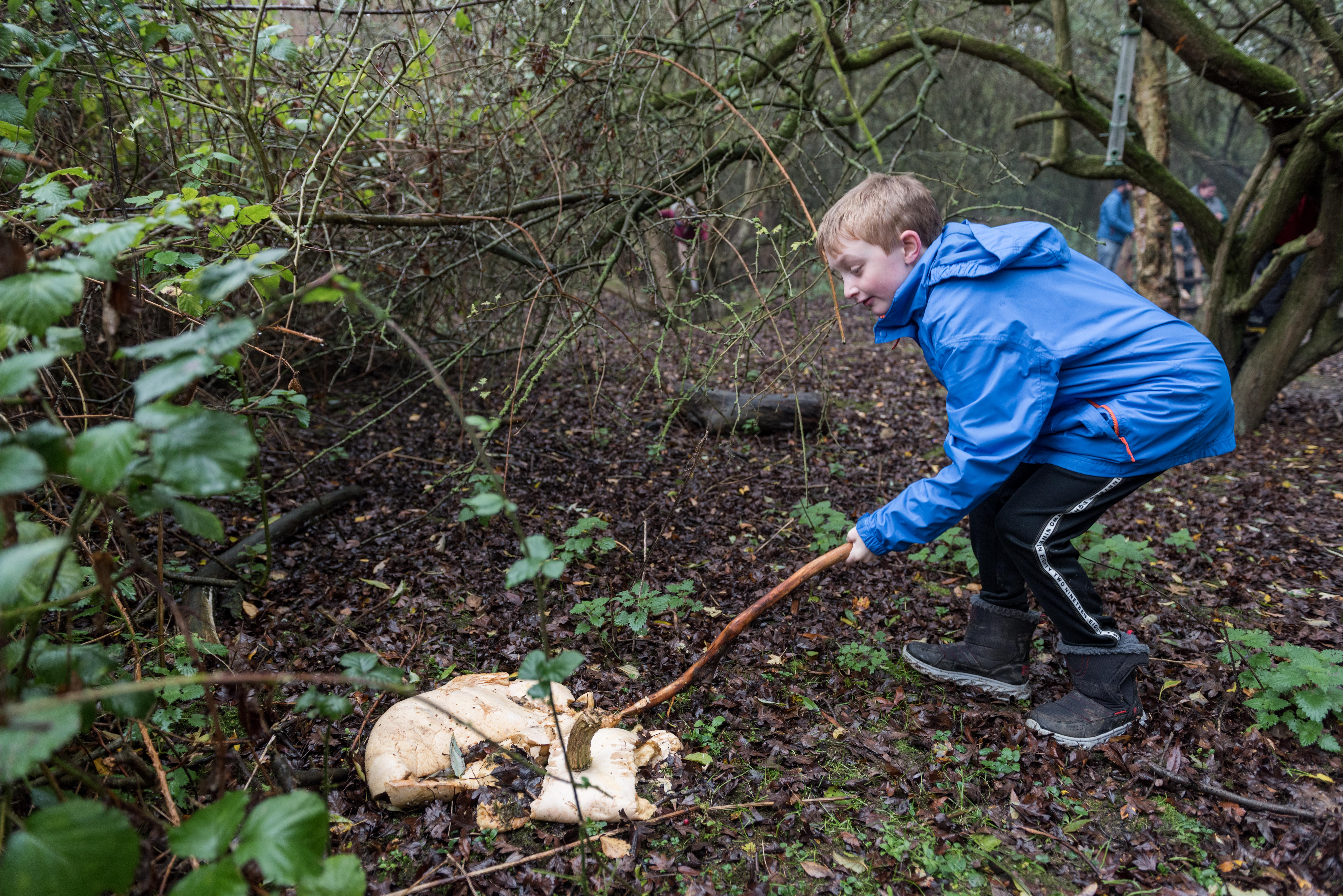
Like many parents I have spoken to, I noticed how much calmer my niece was when spending increased time outdoors during the COVID-19 pandemic lockdowns. This observation inspired a growing interest in how nature-based activities might help support children with ADHD. While traditional treatments such as medication and behavioural strategies remain important, many families and clinicians are keen to explore safe, low-cost ways to complement them. This interest led to the development of a co-production study working with children with ADHD, their families, and the professionals who support them to create a nature activity box designed to be used with professional support in the home. This study was successfully completed in August 2024.
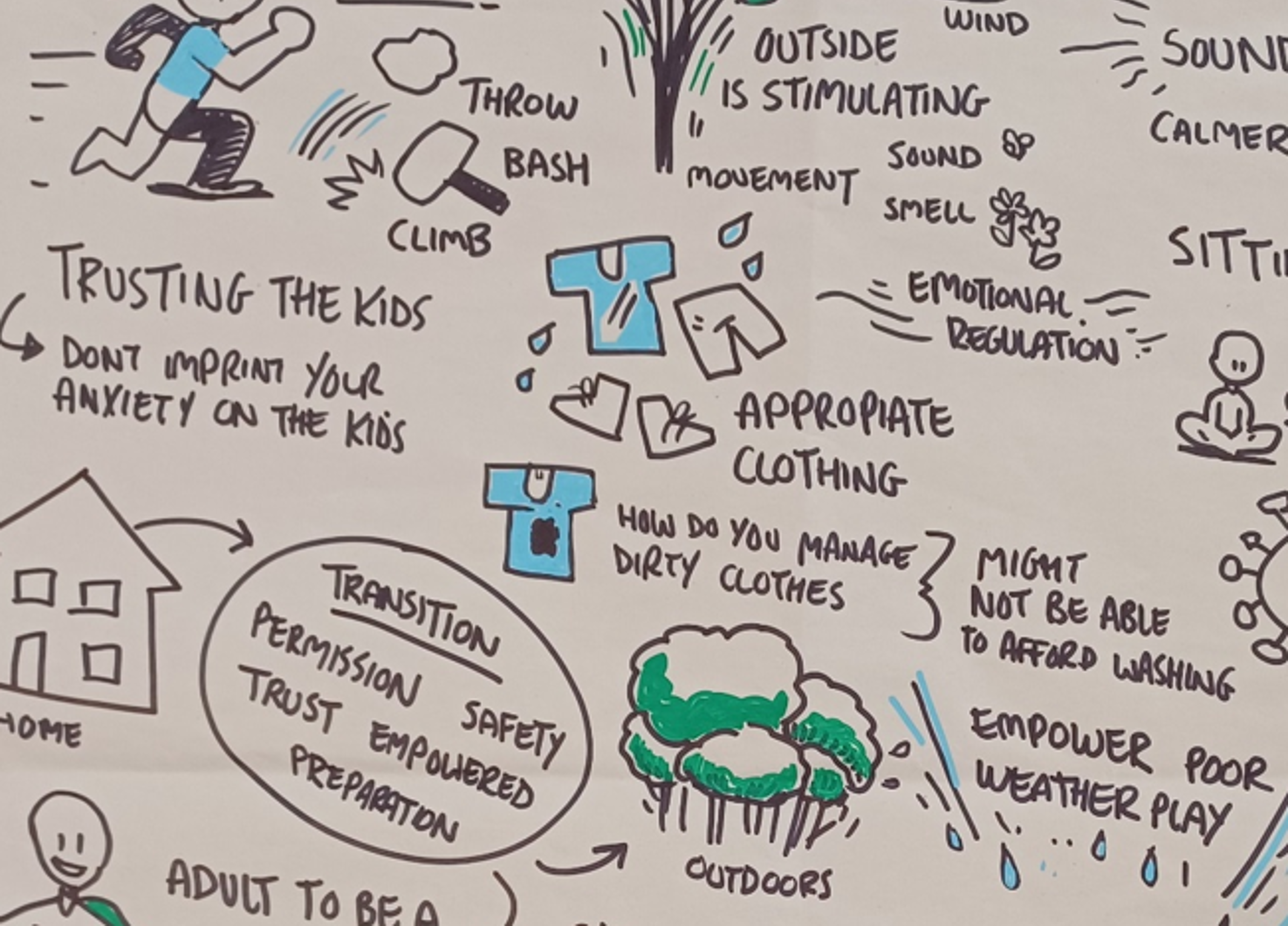
We now want to understand whether this nature-based activity box—filled with simple, targeted, enjoyable outdoor tasks for families to do together—could be a helpful addition to NHS Neurodiversity services as part of the wider range of therapeutic support.
But before we move towards implementation, there are some important questions to answer. Can this activity box be used easily by families? Do children enjoy it? Does it fit into everyday life? Is it acceptable to NHS staff members who may one day deliver it? And crucially, can this kind of intervention be tested using a research method called a randomised controlled trial, which is considered the gold standard for finding out whether interventions are effective?
Our study has been designed to explore all of these questions.
What the Study Aims to Do
The main purpose of the project is to find out whether it is feasible and acceptable to test the nature-based activity box within NHS Neurodiversity services. This is what researchers call a feasibility study. Instead of focusing on whether the activity box works, we focus on whether we can run the kind of study that would allow us to properly test its effects in the future. This includes looking at:
-
How many families are willing to take part
-
Whether the activity box is enjoyable and usable
-
How well the research procedures fit into NHS clinical routines
-
Whether families complete questionnaires and provide feedback
-
How children, parents, and staff feel about the whole process
Understanding these practical details is essential before launching a much larger study aimed at measuring outcomes such as ADHD symptoms, wellbeing, and quality of life.
How the Study Works
All children and families who join the study will continue to receive their usual NHS ADHD care. This is important because we are not replacing any existing support. Instead, we are adding something extra for some families to try.
Half of the families will also receive the nature-based activity box. This is allocated at random, so families are assigned by chance—just like flipping a coin. This random allocation helps make the comparison between groups fair and is a central part of a randomised controlled trial. Although our study is a small, early-stage version of this method, it allows us to see whether such a design is workable within real NHS settings.
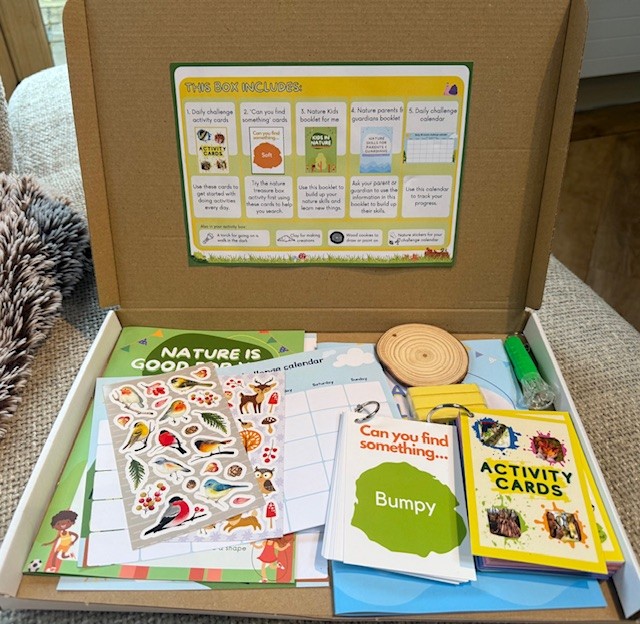
The activity box contains fun, simple outdoor activities that families can do together—such as nature treasure hunts, mindful moments outside, creative tasks involving natural materials, and small challenges to help children explore and enjoy local green spaces. The activities are short, low-pressure, and can be fitted into busy routines. Families can choose what they want to do and when.
Families who do not receive the activity box during the study will receive a nature-themed goodie bag at the end as a thank-you for taking part.
Listening to Families and Staff
A key part of the project is hearing from the people who matter most: children, their families, and NHS staff. We want to know:
-
What did they think of the activity box?
-
Was it easy to use?
-
Did it fit into everyday life?
-
What worked well, and what could be improved?
-
How did staff feel about potentially using the box in NHS care?
These conversations and questionnaires will give us rich, real-world insight. Even small details, like how easy it is to understand instructions or how families store the materials, can influence whether the intervention is practical in busy homes and clinics.
Why This Study Matters
If this feasibility study goes well, it will pave the way for a larger trial that can properly test whether the nature-based activity box helps reduce ADHD symptoms, improves wellbeing, and enhances quality of life. The aim is not to replace existing treatments but to offer a gentle, accessible, nature-based activity that families can use alongside established support.
Nature-based approaches are receiving increased attention because they offer something unique. They encourage movement, creativity, mindfulness, and connection—both with the outdoors and with family members. They also have the advantage of being low-cost and widely available; green spaces, parks, gardens, and natural materials can be found almost everywhere.
If future research shows that the activity box genuinely supports children with ADHD, it could become a valuable tool across NHS children's neurodiversity services, something that clinicians can confidently recommend and that brings benefits beyond the clinic room.
Next steps
We are grateful to all the children, parents, carers, and NHS staff who are helping us explore this promising area. With their support, we hope to take a meaningful step toward bringing the calming, restorative power of nature into the everyday lives of children with ADHD.
Disclaimer
This study/project is funded by the NIHR Research for Patient Benefit programme (NIHR207869). The views expressed are those of the author(s) and not necessarily those of the NIHR or the Department of Health and Social Care. The study is also supported by the Centre for Addiction and Mental Health Research based at University of Hull and we thank them for their generosity in supporting the study. The study sponsor is Humber Teaching NHS Foundation Trust.

Follow the Topic
-
ISRCTN: The UK’s Clinical Study Registry
A primary clinical trial registry recognised by WHO and ICMJE that accepts studies involving human subjects or populations with outcome measures assessing effects on human health and well-being, including studies in healthcare, social care, education, workplace safety and economic development.