The handover from milk to first foods: how weaning helps shape the gut microbiome
Published in Microbiology and Cell & Molecular Biology



Our story began with a puzzle from our previous study published in 2020. We found that the adult associated species like Roseburia and related butyrate-producing Clostridiales, can catabolise complex sugars from breast milk (HMOs). The finding was intriguing because the utilisation of HMOs, the third most abundant in mother’s milk, has been mainly studied by Bifidobacterium members from the breastfed infant gut, whereas Roseburia is a renowned degrader of dietary fibres from plants.
This left us wondering why would adult-associated fibre degraders retain pathways for utilising HMOs?
Weaning offered a plausible answer. Rather than a sudden switch from milk to solid foods, weaning creates a unique overlap where breast milk and fibre-rich foods are available to the weaning infant gut microbiome. We wondered whether this transitional environment might favour microbes capable of thriving on both nutrients.
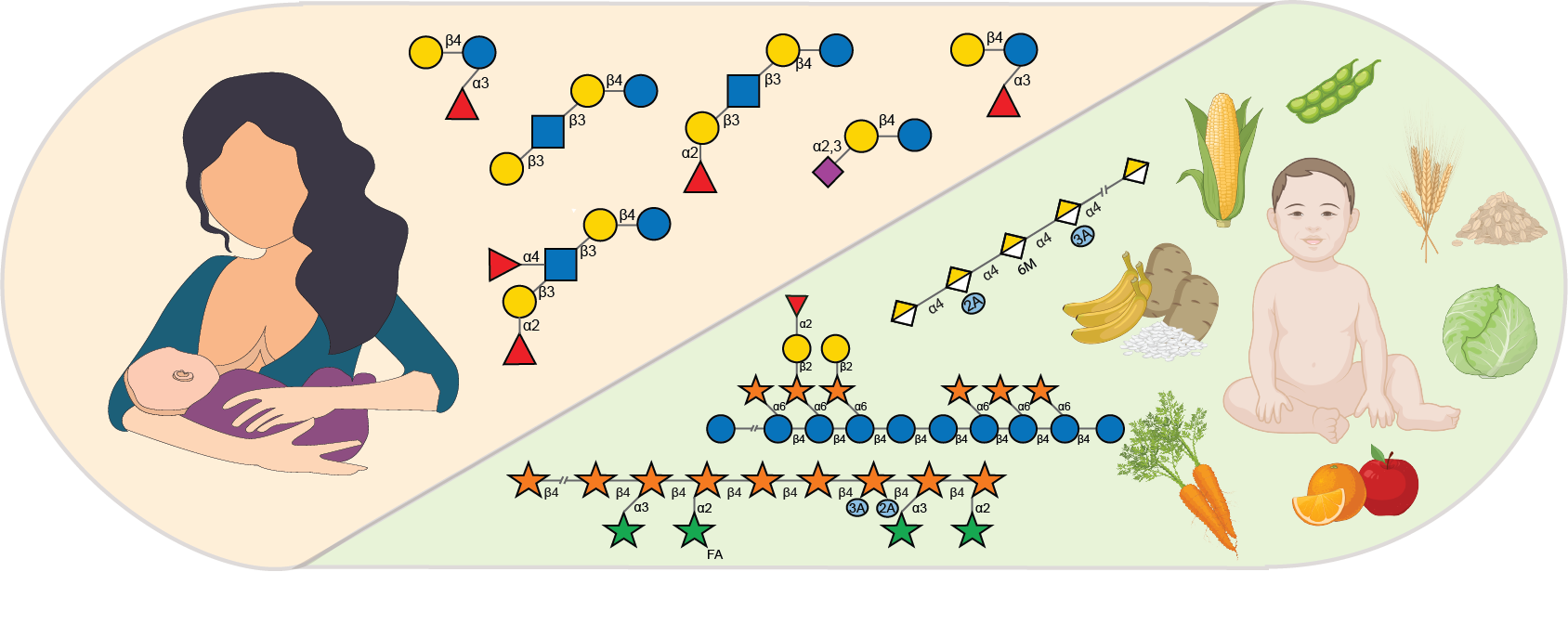
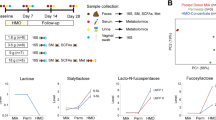
To explore this, we followed seven healthy breastfed infants through the weaning journey. We found that infant gut microbes were ready for this transition before it began. Surprisingly, this community is equipped with the molecular machinery to break down dietary fibres even before intake of baby food rich in fibres. In the competition with the Bifidobacterium HMO-specialists, the earliest winners as intake of solid food increased, were “dualists” taxonomic groups that could feast on both HMOs from breast milk and dietary fibres. We also found evidence that the ability to use HMOs persist well beyond infancy, remaining hidden within the adult gut microbiome. These findings resonated well with the colonisation of such HMO-fibre dualists during the weaning period and their persistence in adult gut communities.
Together, our work suggests that mother’s milk does more than nourish the breastfed infants and their microbiomes. Contrary to what is currently known, our study sheds light on a new and impactful contribution of HMOs (and thereby breastfeeding) in shaping the adult-like gut community that matures during weaning by favouring microbes that are co-evolved with their host’s natural feeding to bridge the worlds of breast milk and solid food.
For us, the story comes back to the original puzzle. The presence of HMO-utilisation pathways in Roseburia and other adult-associated gut bacteria makes sense due to the unique coexistence of HMOs and dietary fibres in an early life specific phase. Weaning may be a brief but critical window, where microbes able to use both HMOs and dietary fibres gain an advantage, helping to establish a natural gut microbiome linked to lifelong health. These findings justify more research focus on the weaning transition to elucidate the functional layer that mediates the selection of the adult microbiome. In conclusion, our work uncovers a previously unknown benefit of breastfeeding and a natural weaning transition, with clear translational implications during the critical early life window, before the gut community becomes resilient to change.

Follow the Topic
-
Nature Communications
An open access, multidisciplinary journal dedicated to publishing high-quality research in all areas of the biological, health, physical, chemical and Earth sciences.
Related Collections
With Collections, you can get published faster and increase your visibility.
Women's Health
Publishing Model: Hybrid
Deadline: Ongoing
Tumor Microenvironment Crosstalk and Therapeutic Implications
Publishing Model: Hybrid
Deadline: Nov 02, 2026