The Missing Conversation About Pregnancy, Cholesterol, and Autism
Published in Neuroscience, Biomedical Research, and General & Internal Medicine


Explore the Research
 Nature Publishing Group UK
Sterol pathway disruption in pregnancy: a link to autism - Molecular Psychiatry
Molecular Psychiatry - Sterol pathway disruption in pregnancy: a link to autism
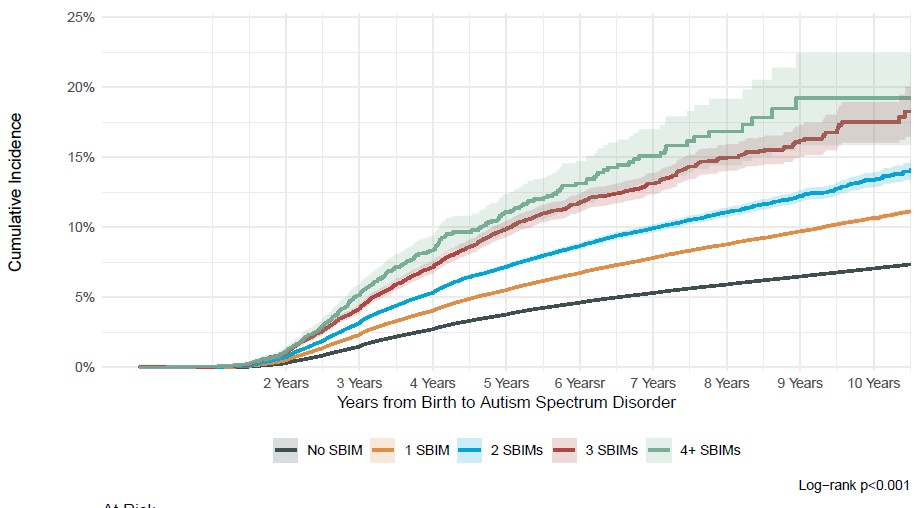
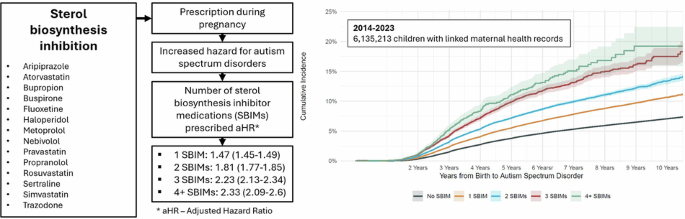
I recognize that some readers may initially react with, “Oh no, another bogus Tylenol story.” Before doing so, however, I encourage you to consider that more than 15 years of rigorous, peer-reviewed research have highlighted the critical role of cholesterol in brain development. This body of evidence will be comprehensively reviewed in an upcoming article in the Journal of Clinical Investigation, scheduled for publication in July 2026. In addition, it is noteworthy that these analyses were based on linked maternal–child records representing approximately one in every three births between 2014 and 2023.
To provide context, consider the following facts about brain development, cholesterol, and disease:
- There is no life without cholesterol.
- Cholesterol is an essential structural component of every cell in the body.
- The sterol biosynthesis pathway generates precursors for hundreds of biologically critical molecules.
- The brain is the most cholesterol-rich organ in the body.
- Brain sterol biosynthesis is largely independent of the body's cholesterol pool and dietary cholesterol intake because cholesterol cannot cross the blood-brain barrier.
- Sterol biosynthesis begins in the fetal brain at approximately 19–20 weeks of gestation and reaches its peak during the early postnatal years.
- Both developing neurons and glial cells synthesize cholesterol.
- Pathogenic variants in sterol biosynthesis enzymes cause neurodevelopmental disorders. Many affected individuals exhibit features within the autism spectrum, as seen in disorders such as Smith-Lemli-Opitz syndrome (SLOS).
- Many commonly prescribed medications have unintended sterol biosynthesis–inhibiting effects.
- Concurrent use of multiple medications that inhibit sterol biosynthesis can produce additive or synergistic biochemical effects, as demonstrated in both in vitro studies and studies in pregnant mice.
- The resulting pathology arises through two simultaneous mechanisms: cholesterol deficiency and the accumulation of highly reactive, toxic sterol precursors, including 7-dehydrocholesterol (7-DHC) and its oxysterol derivatives. Notably, 7-DHC is the most readily oxidized lipid known.
- Based on human epidemiological studies, chemicals that inhibit DHCR7, the final enzyme in the cholesterol biosynthesis pathway, should be considered teratogens.
- Intrauterine inhibition of sterol biosynthesis is a likely mechanism underlying Fetal Fentanyl Syndrome (FFS).
In addition, most of the medications we evaluated carry significant pregnancy warnings based on findings from animal studies, human studies, or both. These warnings are documented in the prescribing information provided by pharmaceutical manufacturers.
Given all of the above, is it truly surprising that inhibition of developmental sterol biosynthesis during pregnancy could disrupt human brain development and produce long-lasting consequences?
For readers interested in learning more, we recommend the following perspectives:
For those seeking additional context regarding the clinical implications of our findings, we have developed a comprehensive Q&A resource that addresses frequently asked questions from healthcare providers and patients.
https://www.unmc.edu/news/autism-study/
I will conclude with several questions worthy of consideration:
- Have we long recognized these developmental risks, but failed to adequately address them?
- Are prescribing physicians sufficiently aware of the developmental risks associated with sterol biosynthesis inhibition?
- Are prospective mothers being clearly informed about the potential risks to their unborn children?
- Sterol biosynthesis is highly conserved across mammals, including humans. Why do we accept that sterol biosynthesis–inhibiting medications (SBIMs) can harm the developing mouse brain, yet assume they do not pose similar risks to the developing human brain?
- Why do we require pharmaceutical companies to conduct pregnancy studies in animals if we believe the resulting data have little relevance to human development (a more complex system)?
- Why did we abandon the straightforward pregnancy risk classification system (A-B-C-D-X) that guided prescribing decisions from 1979 to 2015?

Follow the Topic
-
Molecular Psychiatry
This journal publishes work aimed at elucidating biological mechanisms underlying psychiatric disorders and their treatment, with emphasis on studies at the interface of pre-clinical and clinical research.