Two new Species of Vegavis (Neornithes) from Antarctica Highlights Unexpected Cretaceous Antarctic Diversity
Published in Earth & Environment, Ecology & Evolution, and Zoology & Veterinary Science
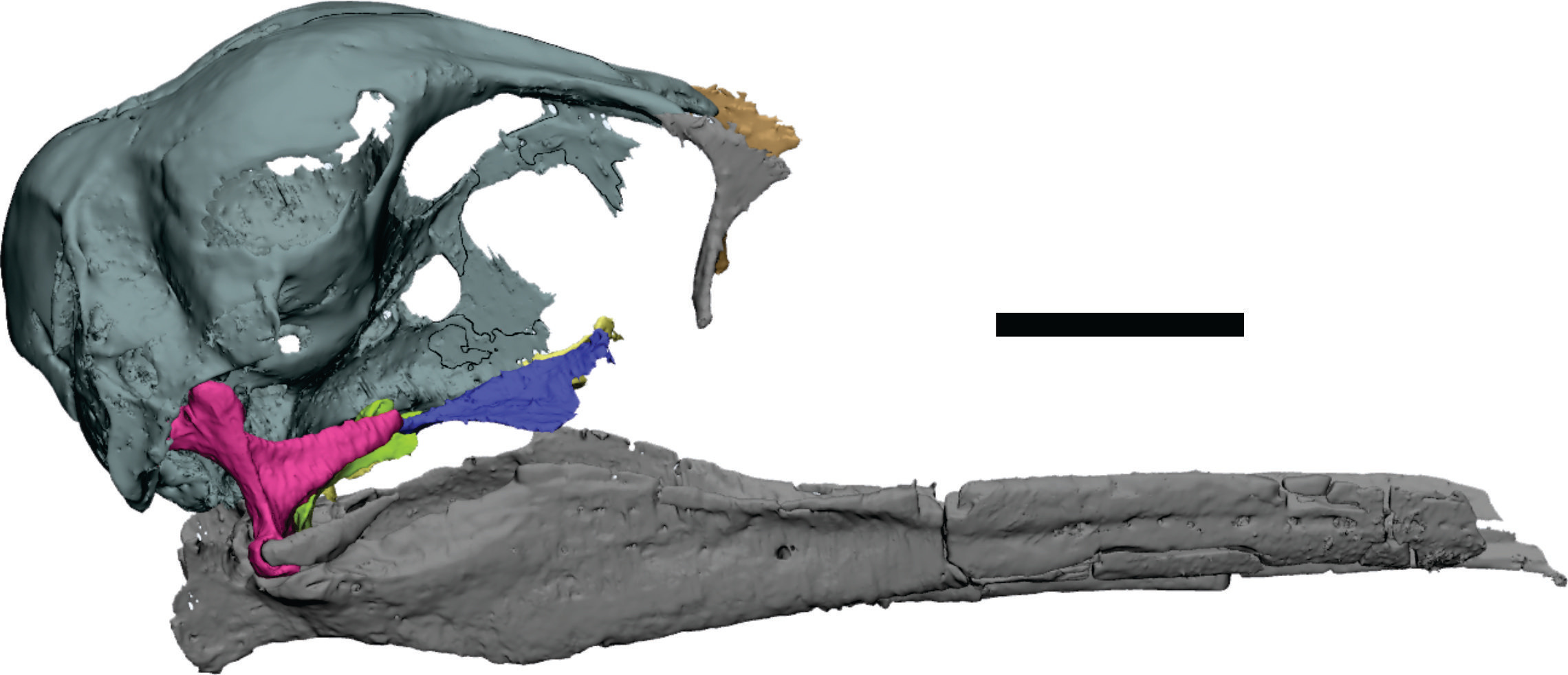
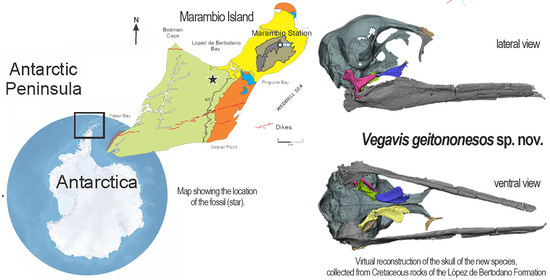

The recognition of Vegavis geitononesos and Vegavis notopothousa significantly expands the known diversity of Cretaceous neornithines and shows that modern birds were already diversified before the end of the Cretaceous.
Vegavis geitononesos, “the Vegavis species from the neighboring island,” comes from Marambio Island, located adjacent to Vega Island, from which the other species of the genus originate. This specimen was found with the palate articulated to the quadrate and the basicranium, allowing recognition of a neognathous palatal configuration and, together with other cranial and postcranial characters, suggesting strong affinities with Neoaves. Vegavis notopothousa, “the species that longs for the south,” is based on a previously described skull and is named for being housed in the northernmost repository of all known Vegavis species.
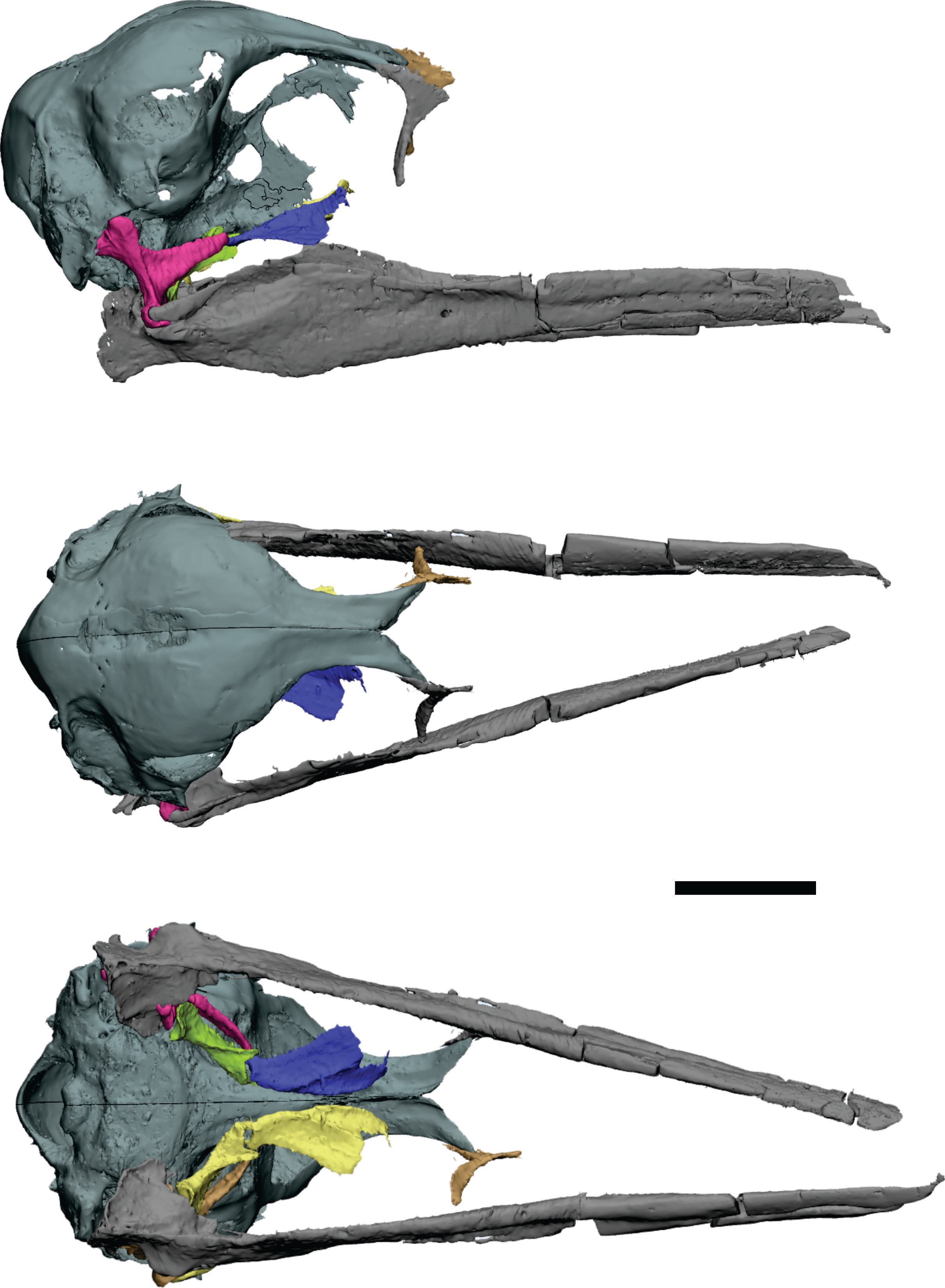
Together, these findings indicate that Cretaceous Antarctic marine ecosystems were taxonomically diverse and inhabited by multiple species of diving birds that occupied a shared ecological guild, with subtle specializations reflecting early ecological differentiation within these environments.
Complete article https://www.mdpi.com/1424-2818/18/2/82

Carolina focuses her research on the evolutionary history of fossil birds from Antarctica and South America, addressing patterns of diversification, adaptation, and extinction through geological time. Her work integrates comparative anatomical analyses, particularly osteology, myology, and paleoneurology, with studies of systematics and paleobiology. Morphometric approaches, functional mechanical analyses, and muscular reconstructions are employed to reconstruct the evolutionary history of avian lineages from the Southern Hemisphere, in close association with their paleoenvironmental contexts.