Eco-friendly Ballast water extracting technology
Published in Earth & Environment, Sustainability, and Mechanical Engineering

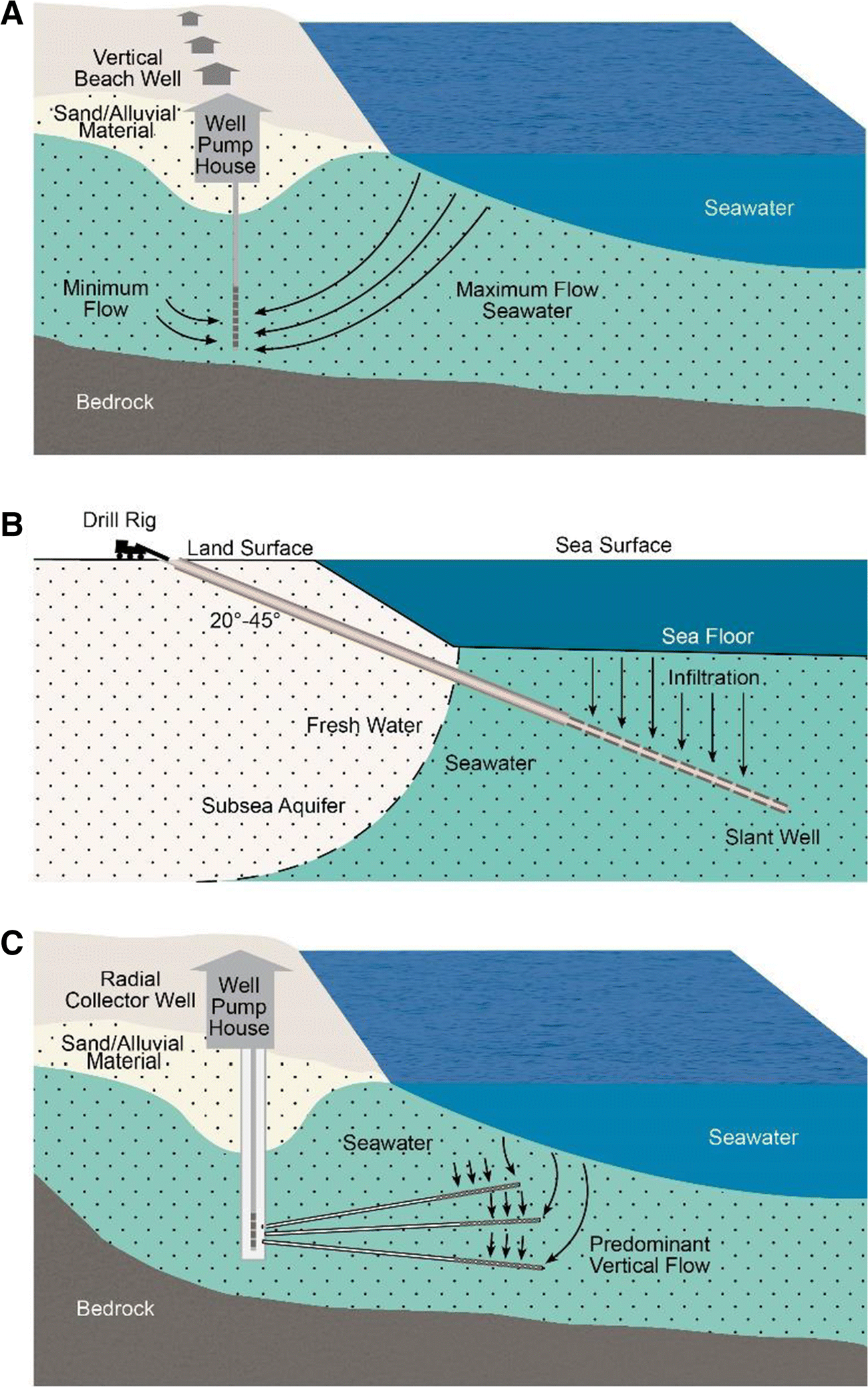

As invasive alien species (IAS) pose ongoing threats to marine ecosystems, it’s essential to implement comprehensive management strategies focused on prevention, early detection, rapid response, and long-term control. A key strategy involves innovative ballast water treatment technologies, as shipping ballast water is a major vector for IAS. With global trade increasing, the risk to marine biodiversity grows, making effective solutions crucial. Recent advancements in integrated natural filtration systems that utilize onshore wells or seabed gallery systems are promising. These systems efficiently exclude harmful organisms while avoiding chemical treatments, which helps maintain the delicate balance of marine environments. Implementing these filtration systems at virtually any port facility worldwide enhances their accessibility and effectiveness. By focusing on ecological sustainability and adopting forward-thinking solutions, we can work towards safeguarding our oceans for future generations. We need to champion healthier marine ecosystems and advocate for innovative practices that protect our biodiversity. Together, we can make a significant impact in combating the threats posed by invasive species and ensuring the resilience of our marine habitats.
Marine and freshwater pollution caused by the transport of invasive species in shipping ballast water is a significant global problem that is expected to intensify in magnitude as the shipping of commodities continues to increase in the future. An economical method to exclude biological organisms in the seawater used for ballast is to do so at the source port. Integrated natural filtration using onshore wells or seabed gallery systems has been thoroughly investigated for use as pretreatment for seawater desalination systems, and it has proven to be both environmentally acceptable and economically viable. Thus, the application of this proven filtration technology to another issue, ballast water treatment, represents an innovative method of providing marine organism-free seawater in port-based facilities. This method is not only ecosystem-friendly, as it utilises no chemicals, but also non-destructive, preserving the natural balance of the marine environment. The design and construction of well or seabed gallery intake systems for producing ballast seawater are feasible in virtually all global port facilities.
A marine ecologist is on a mission to observe nature's expressions, comprehend the aquatic ecosystem, and uncover the few secrets of our ocean. The goal is to develop eco-friendly technology that mimics natural ecosystem processes and demonstrates the ocean's incredible capacity to withstand human exploitation and to provide resources generously, despite the challenges.
Follow the Topic
-
Environmental Science and Pollution Research
This journal serves the international community in all broad areas of environmental science and related subjects with emphasis on chemical compounds.

What are SDG Topics?
An introduction to Sustainable Development Goals (SDGs) Topics and their role in highlighting sustainable development research.
Continue reading announcement