A fault with a 115-million-year memory: Behind the Altyn Tagh Fault story
Published in Earth & Environment

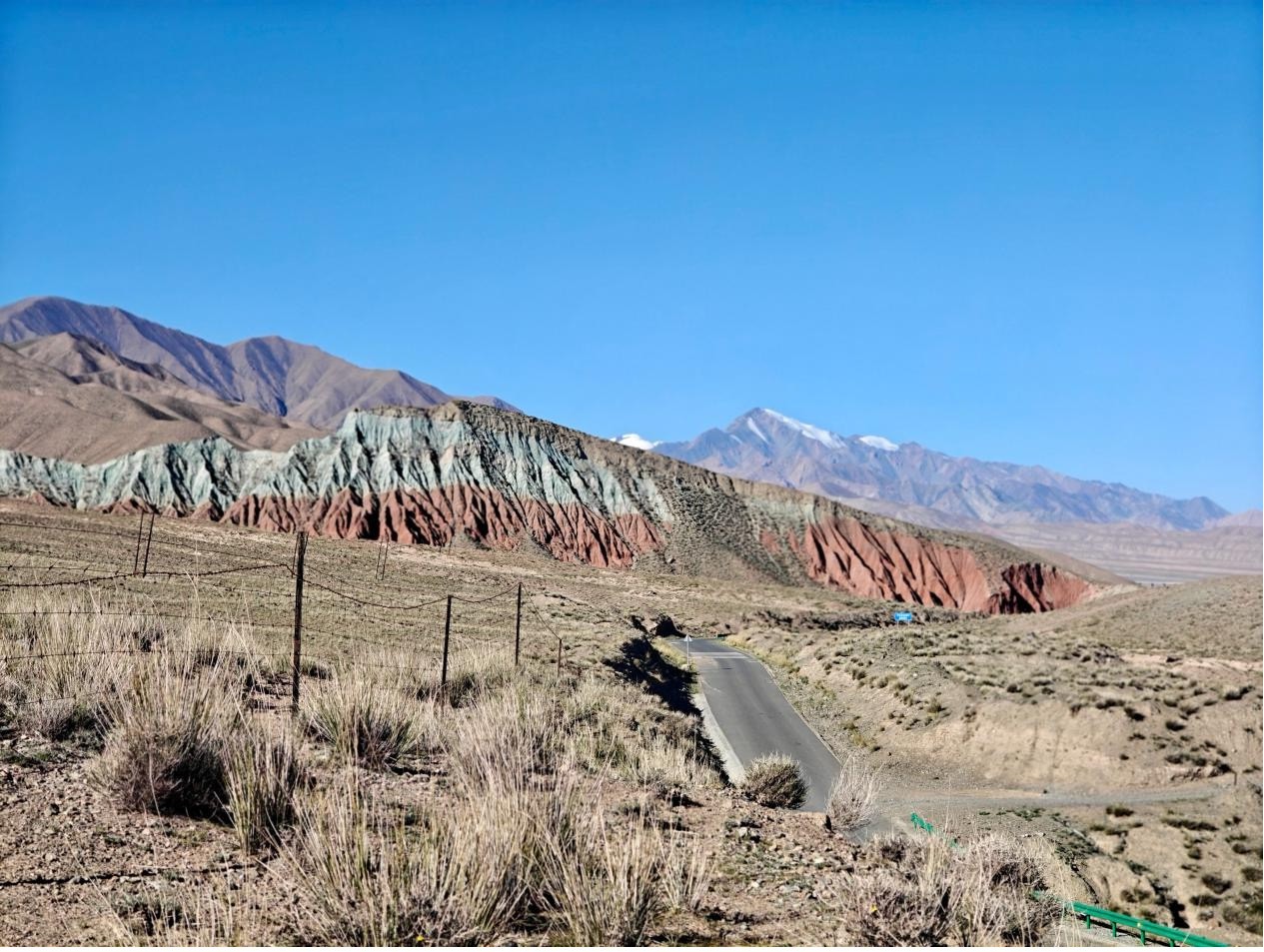
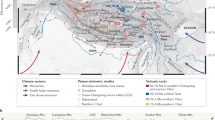

Standing at nearly 3,000 m above sea level on the northern margin of the Tibetan Plateau, it is difficult not to be impressed by the Altyn Tagh Fault. Stretching for more than 1,600 km, this immense strike-slip fault system has often been compared to the San Andreas Fault of North America. Snow-capped mountains rise above colourful Miocene badlands, while a lone road winds through the arid landscape (Fig. 1). Our project brought together Giulio Viola and Leonardo Del Sole from the DFT (Deformation, Fluids and Tectonics) group at the University of Bologna with Jing Liu-Zeng and Zhaotong Sun from Tianjin University. Building on our experience of deconvoluting complex brittle deformation histories in European fault systems, we saw the Altyn Tagh Fault, whose long-term evolution remains debated, as an ideal natural laboratory. Could direct K–Ar dating of fault-gouge illite reveal the deeper history of this giant Asian fault? In September 2024, that question brought us to Aksay.
During our fieldwork in September 2024, we discovered that evidence with potentially far-reaching scientific implications could be hidden within just a few centimetres of crushed rock.
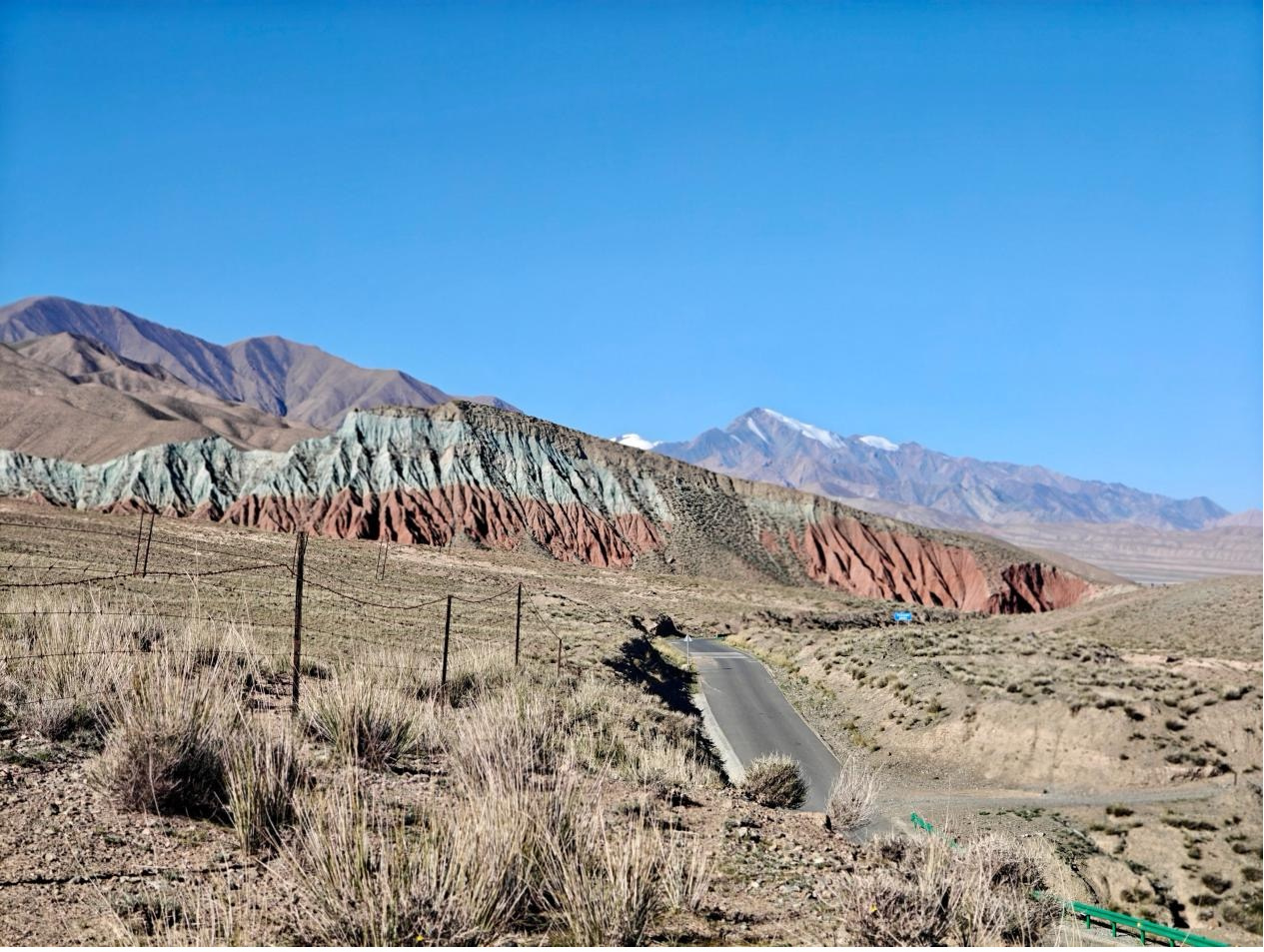
Fig. 1 | A scenic view across the Altyn Tagh Fault zone near Aksay, with Miocene badlands beneath the snow-capped Altyn Tagh Mountains.
Reading the architecture of a giant fault
Our first destination was an exposure near Dangjinshan Pass (Fig. 2), previously identified by Jing during field reconnaissance, but not yet studied and sampled in detail. Thus, the team returned with Giulio, Zhaotong and Leonardo to reconstruct the internal architecture of the fault zone and then use it to inform our sampling.
Within a damage zone several tens of metres wide, we identified a fault core only about 40 centimetres thick, containing four distinct Brittle Structural Facies (BSFs) that recorded progressive deformation localization toward a fault principal slip surface, where the latest deformation increment localized. We carefully sampled each domain, hoping to disentangle different episodes of brittle deformation preserved within the same fault zone (Fig. 3).
Dangjinshan Pass was the only site we had planned to investigate in detail. Then our fieldwork took an unexpected turn.
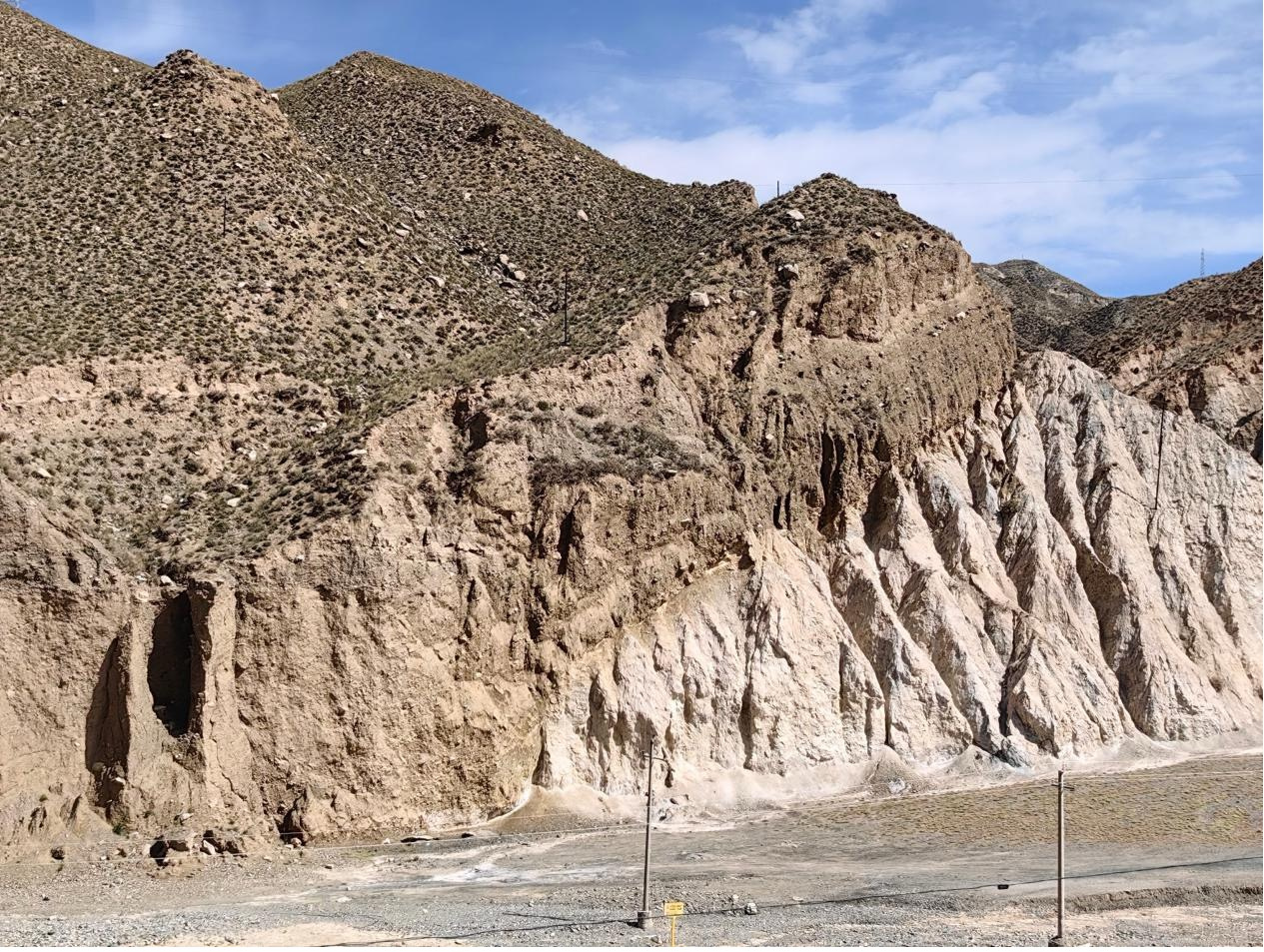
Fig. 2 | A natural window into the Altyn Tagh Fault. Deep fluvial incision exposes the Altyn Tagh Fault at Dangjinshan Pass.
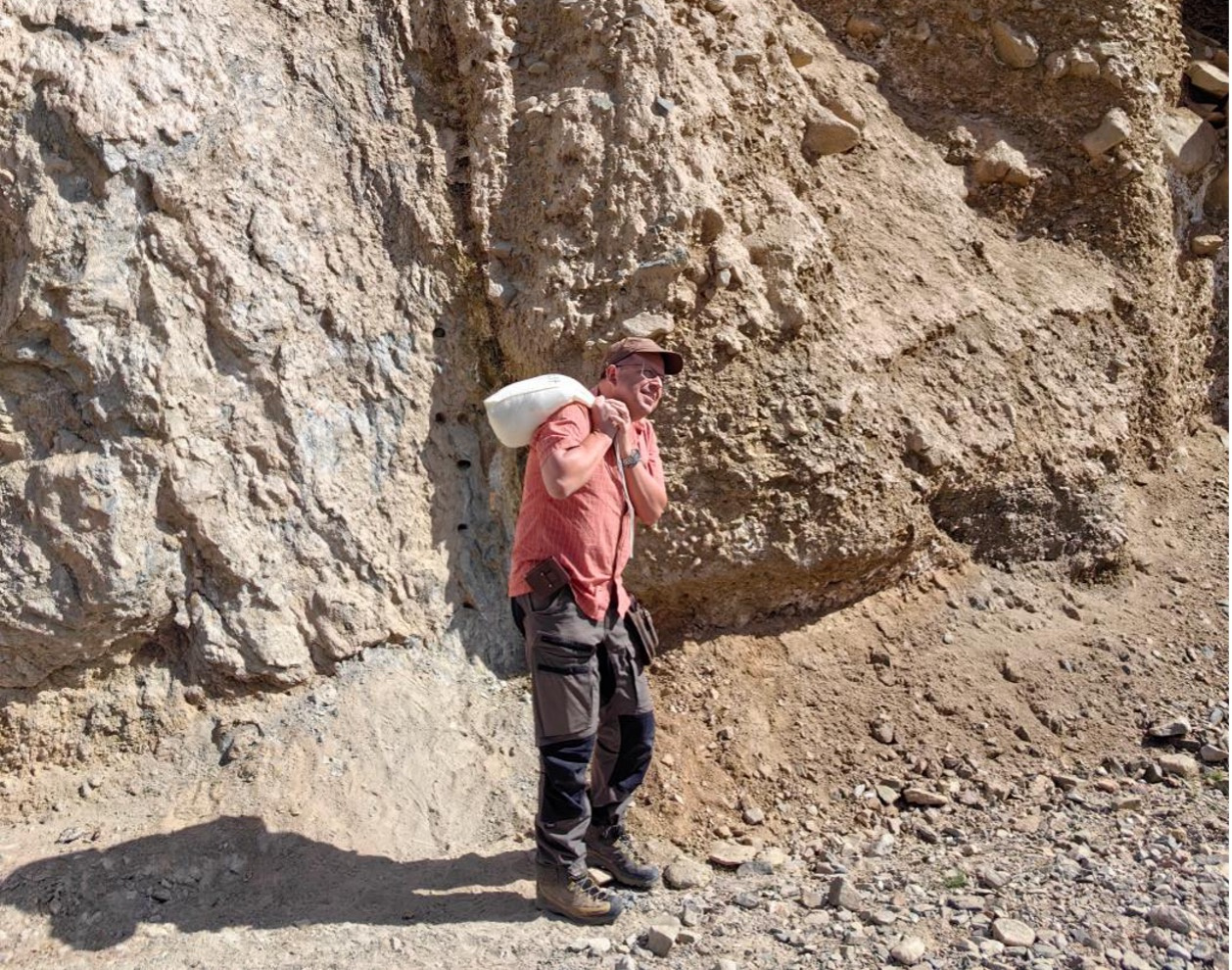
Fig. 3 | Putting the Altyn Tagh Fault “in the bag”. Giulio carrying fault-gouge samples collected at Dangjinshan Pass.
One last detour
Our work at Dangjinshan Pass progressed faster than expected, leaving us an extra day to explore roads close to the fault trace in search of unreported outcrops.
For most of the day, we found nothing.
Eventually, we decided to return to our hotel. On the way back, however, we passed a road junction near Da’ebotu Village. There was still some daylight left, so we made one last spontaneous decision:
Why not drive down and have a look?
That small detour gave us one of the biggest surprises of the project.
A spectacular fault exposure appeared in front of us. Miocene red siltstones structurally emplaced over Ordovician granite and Quaternary conglomerates, with approximately 1.25 m of pervasively foliated black fault gouge (Fig. 4).
For Giulio, after more than three decades studying faults in the field, it was one of the most impressive fault exposures he had ever seen. For the rest of us, it felt like an unexpected gift discovered almost by chance at the end of our field campaign.
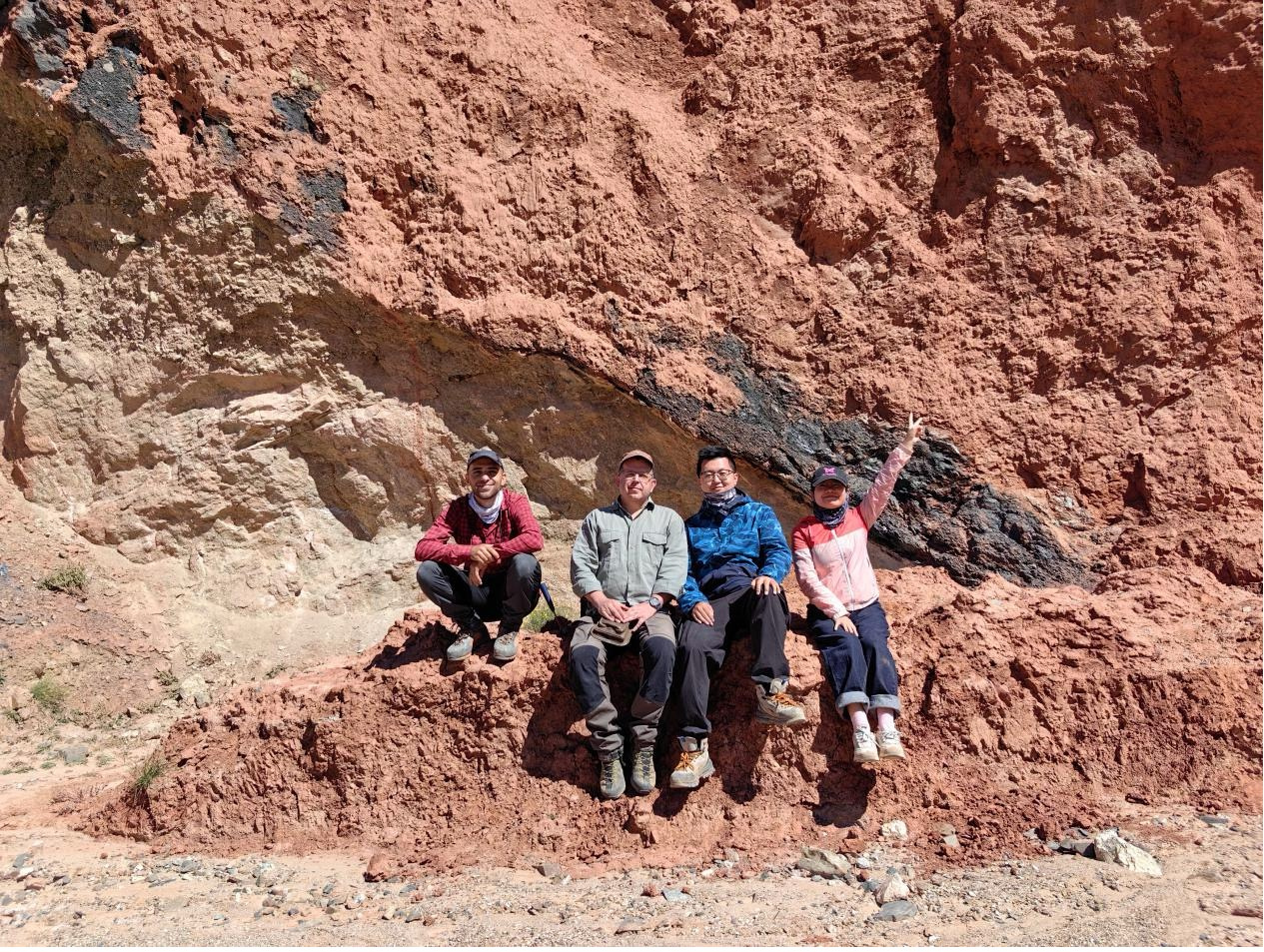
Fig. 4 | Our unexpected Da’ebotu discovery. From the left, Leonardo, Giulio, Zhaotong and Fengzhen at the Da’ebotu exposure.
One outcrop, two scientific stories
At Da’ebotu, we also noticed unusual structures where fine-grained fault gouge had been mobilized and injected into surrounding cataclastic rocks (Fig. 5). Similar structures had been observed along the Carboneras Fault in Spain. This unexpected connection developed into a parallel study led by Leonardo, eventually published in Seismological Research Letters, exploring their potential link to past coseismic deformation.
Our main question, however, remained: When had the Altyn Tagh Fault actually moved?
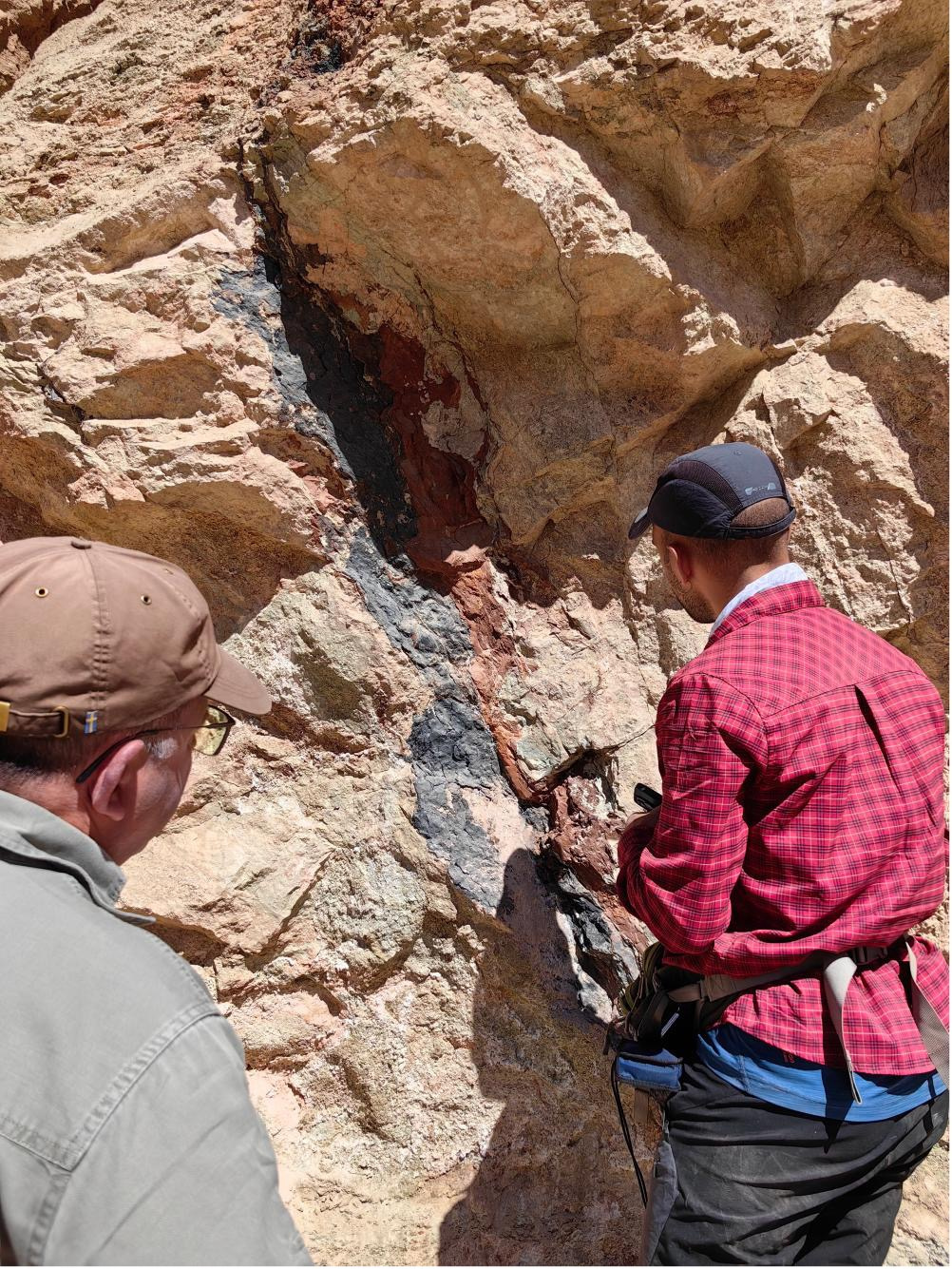
Fig. 5 |An unexpected clue to ancient earthquakes. Giulio and Leonardo examining fault-gouge injection.
Turning fault gouge into a geological clock
Long-lived fault can be repeatedly reactivated, mixing minerals from different stages of their story. We therefore used the Illite Age Analysis (IAA) approach, combining K–Ar dating of different grain-size fractions with quantitative analysis of illite polytypes (Fig. 6). Interpreted within the BSF framework established in the field, these data allowed us to distinguish different episodes of deformation.

Fig. 6 | Turning fault gouge into a geological clock. Zhaotong preparing samples for grain-size fractions.
A history older than the Tibetan Plateau
The oldest event we resolved occurred approximately 115 million years ago, ,tens of millions of years before the India–Asia collision. This showed the Altyn Tagh Fault inherited a structure with a much older history.
Another key event occurred approximately 56 million years ago, within the proposed interval for the onset of the India–Asia collision. Yet our study area lies more than 1,500 km into the Asian continental interior, suggesting that collision-related stresses were transmitted across this enormous distances within less than about 10 million years of collision initiation.
Later events at approximately 26 Ma, 2.7 Ma and 0.6 Ma show that the same structure continued to localize deformation during the subsequent evolution of the Tibetan Plateau.
Together, these ages reveal a geological memory extending for more than 110 million years, showing how ancient zones of weakness can be repeatedly reactivated as new tectonic stresses arrive.
This study also highlighted the power of combining field geology and geochronology, linking centimetre-scale fault gouge to the evolution of a continental-scale fault system.
We went to Aksay hoping to “put an age” on the Altyn Tagh Fault. We came back with something remarkably more profound: a record of how a continental-scale fault can build and preserve its memory for more than 100 million years, as well as an unexpected glimpse into the processes that may accompany earthquakes within it.
Follow the Topic
-
Nature Communications
An open access, multidisciplinary journal dedicated to publishing high-quality research in all areas of the biological, health, physical, chemical and Earth sciences.

Related Collections
With Collections, you can get published faster and increase your visibility.
Women's Health
Publishing Model: Hybrid
Deadline: Ongoing
Tumor Microenvironment Crosstalk and Therapeutic Implications
Publishing Model: Hybrid
Deadline: Nov 02, 2026