A Holistic and Molecular View of Crohn's Disease
Published in Microbiology, Protocols & Methods, and General & Internal Medicine
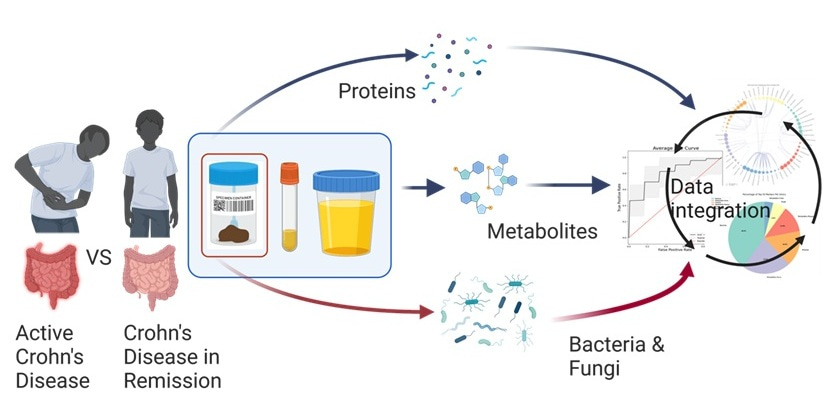

 Crohn's disease is a severe inflammation that can occur at various sites, mainly in the intestinal tract. The disease is characterized by periods of remission and flare-ups of inflammation. The exact cause of Crohn's is not known but predisposition, diet and environmental factors play a role. The disease can be brought into remission by medication and diet.
The question this study sought to answer is: What is different in the body of a patient in whom the disease is at rest compared with a patient with active disease?
Previous research has shown that gut bacteria and fungi, the compounds these organisms make, and the proteins and compounds made by the patient are all important in the development of Crohn's disease.
Jurgen Seppen: "It has never been studied how all these different factors are interacting. Such a “holistic view of Crohn's,” combining the molecular processes in all these different parts of the body, has been lacking until now. This broader view of disease is important because it can provide a better understanding on the origins of flare-ups of the disease and ultimately identify targets for better therapy."
This research could be conducted thanks to the cooperation of patients at Amsterdam UMC who made this unique collection of patient material possible. Stool, urine and blood were available from each patient. In these materials, compounds, proteins, fungi and bacteria were measured.
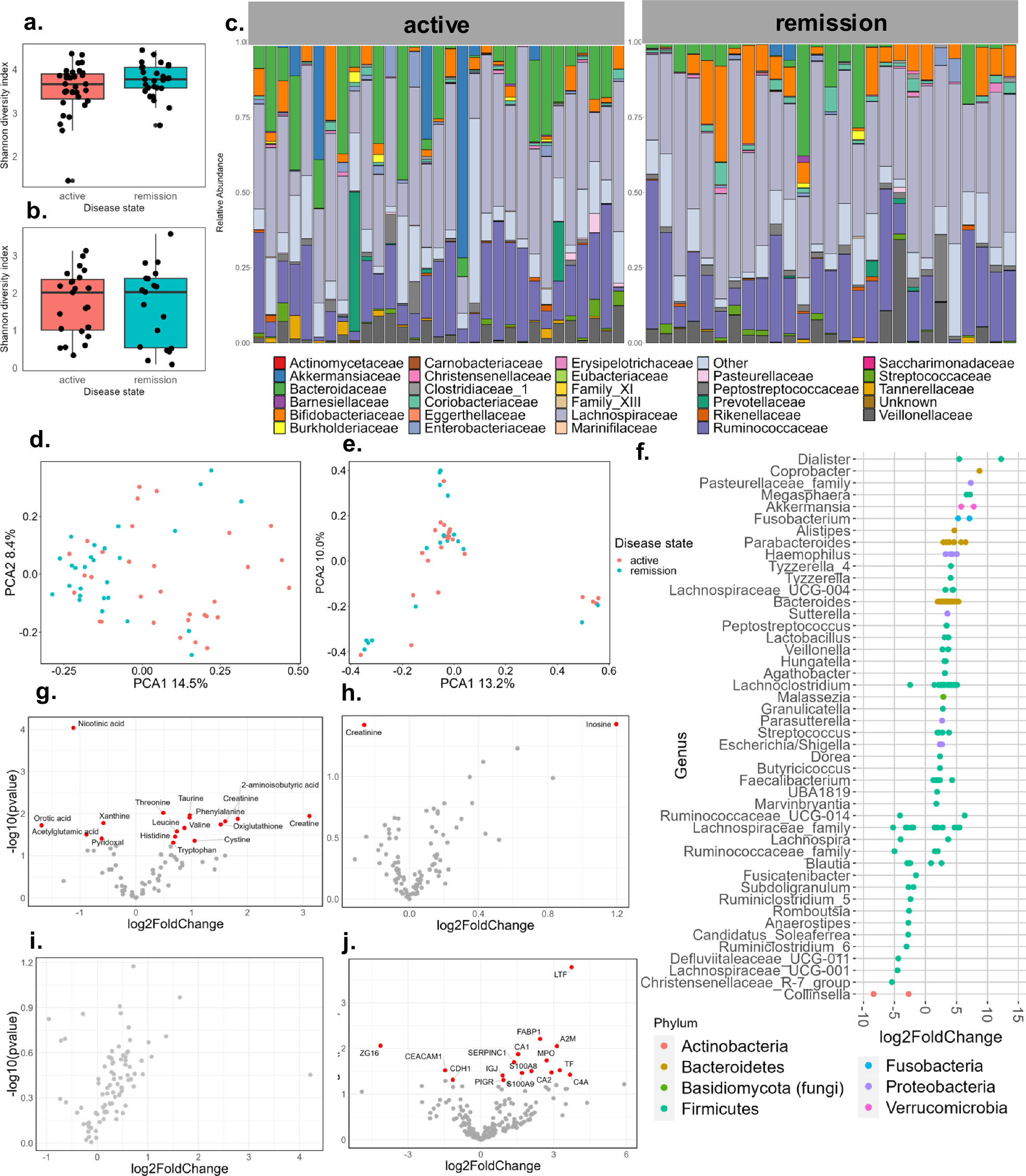
By measuring all these factors in each patient, and combining these data, the researchers were able to map which processes are different in patients with flare-ups of their inflammation.
Nienke Koopman: "our research shows which gut bacteria are a spider in the web in Crohn's. We also discovered that the breakdown of a DNA component differs between patients at rest and with a flare-up of inflammation. This may provide a starting point for a new therapy. Very interestingly, we have also discovered a link between intestinal fungi and a substance produced by bacteria. This shows that bacteria and fungi in the gut can communicate with each other."
Jurgen Seppen: "this research has produced a huge amount of data that we have also made public. What we have shown is a first step, we now have to work with this data to discover and prove other connections."

Follow the Topic
-
Communications Medicine
A selective open access journal from Nature Portfolio publishing high-quality research, reviews and commentary across all clinical, translational, and public health research fields.

Related Collections
With Collections, you can get published faster and increase your visibility.
Public health and health governance in China
Publishing Model: Open Access
Deadline: Jul 31, 2026
Life Course Epidemiology
Publishing Model: Open Access
Deadline: Jun 30, 2026



Please sign in or register for FREE
If you are a registered user on Research Communities by Springer Nature, please sign in