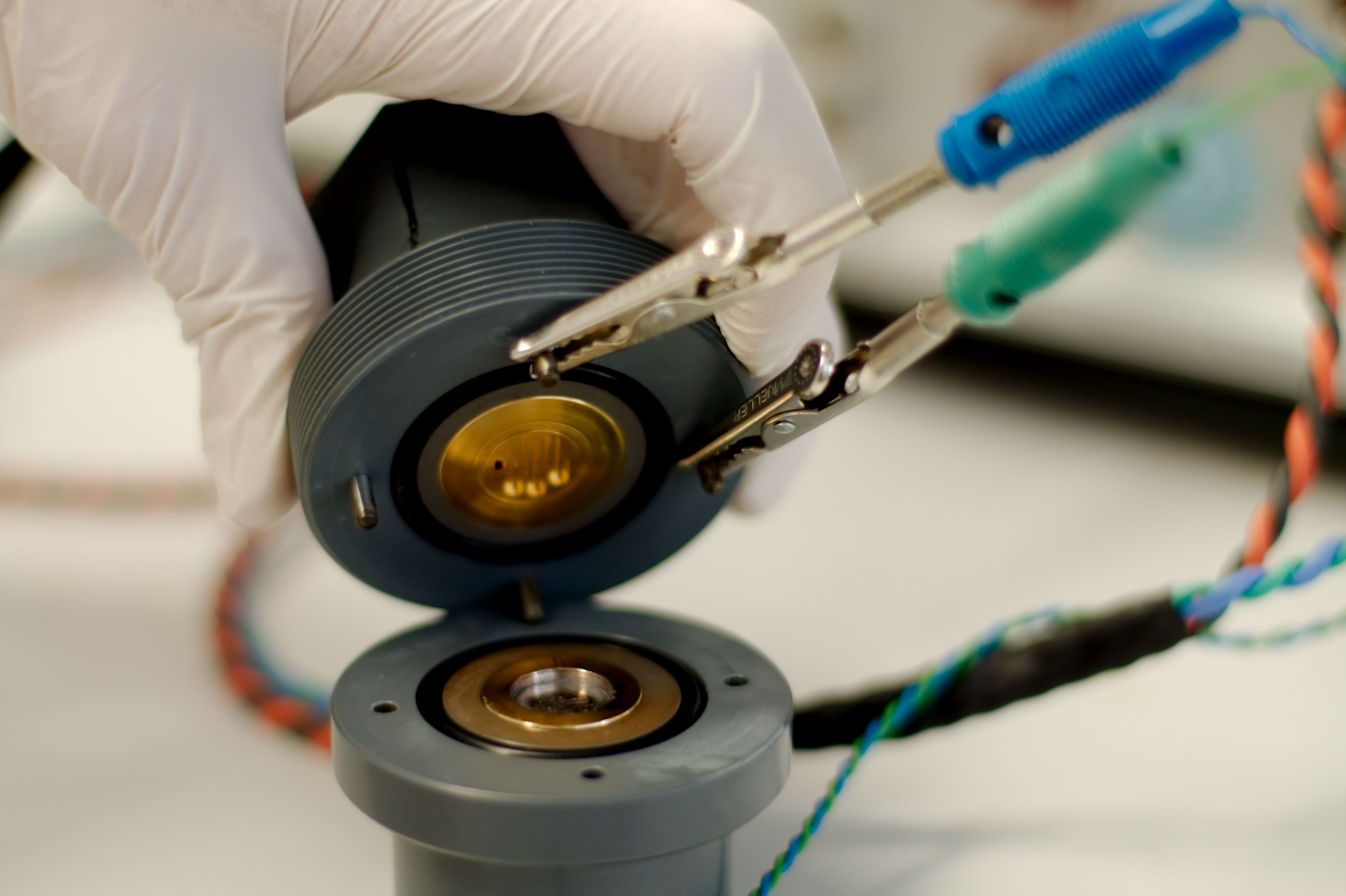

When I started working on batteries during my PhD in 2012, I decided to use modeling and simulation tools to gain better understanding on one highly promising battery next to the lithium ion battery - the electrically rechargeable zinc oxygen battery. Although only eight years ago, relying on computer-based analysis was not as common as today and fast progress in the respective research area always depended on the quality of the data (e.g. the properties of the materials used or the electrochemical data such as current-voltage profiles) available.
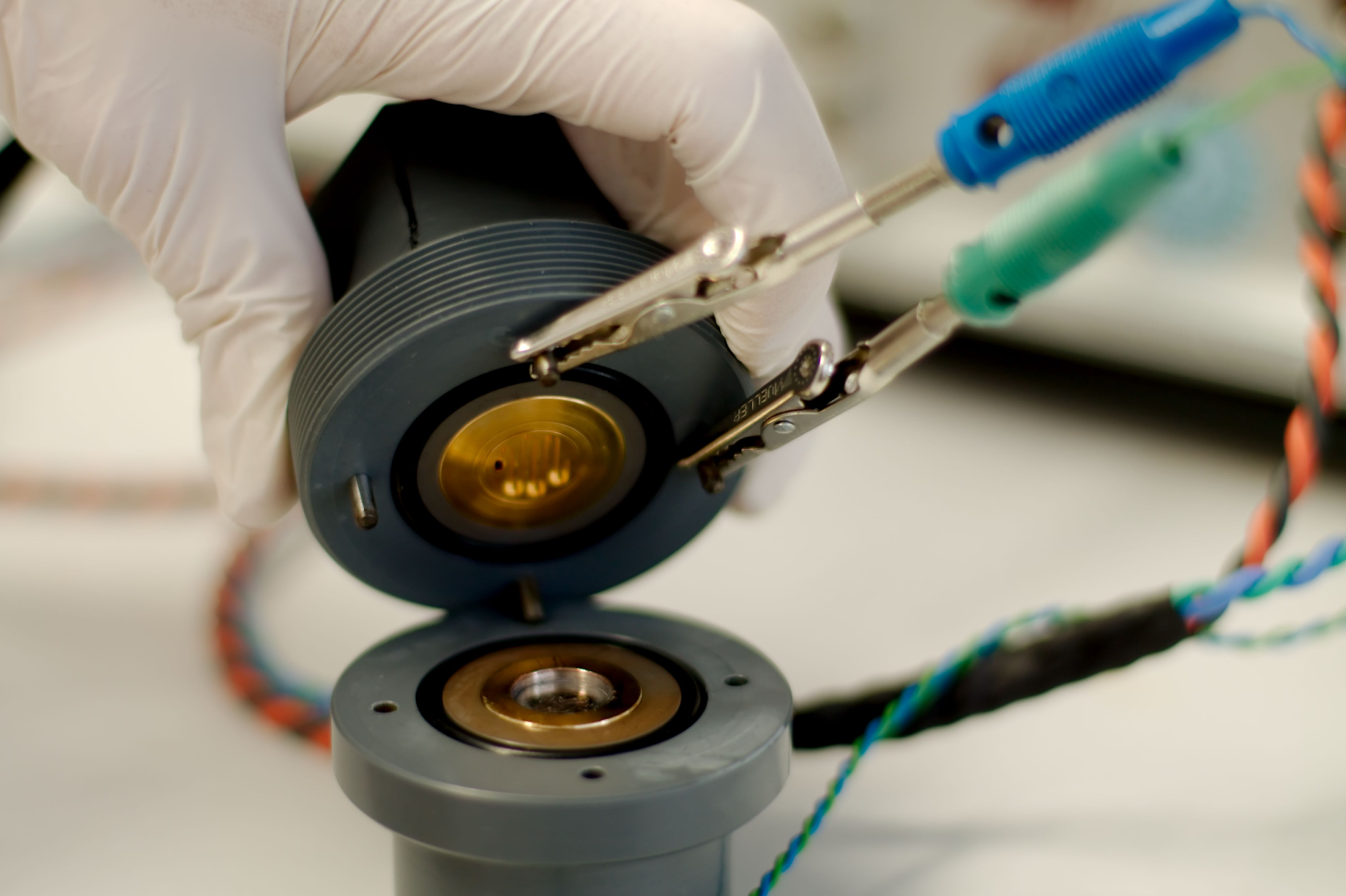
Each physical model of a battery relies heavily on a certain set of available parameters, materials properties and fundamental substance properties. (In my PhD thesis for example more than 100 parameters taken from scientific publications by others.) If one does not choose to determine all of the parameters himself or herself, the quality of the available data is of high importance. Only reliable data can lead to reliable results, which in turn can advance the field of research.
During my PhD I was in need for a data set on the ionic conductivity of a ternary mixture of KOH, K2CO3 and water. Luckily, I did find a research article on the matter from 1985 (coincidentally the year of my birth as well!) by a researcher from Czechoslovakia. Being available as scanned PDF only, the quality and the resolution of the depicted figures in the article was not the best. Only by chance I was able to find the private website of the, by now retired, researcher from Czechoslovakia who was the first author of the article, and contacted him via E-Mail. He was more than happy to provide me with the digitized data from the original measurements, and I could use it as basis for one of the essential parts of the PhD thesis.
Since then, my research group at the Institute of Physical Chemistry at Justus Liebig University Giessen, Germany, and me did not stop to working on the intriguing topic of zinc oxygen batteries, and we collected a lot of electrochemical data over the years - in particular with our colleagues from Taiwan and Japan.
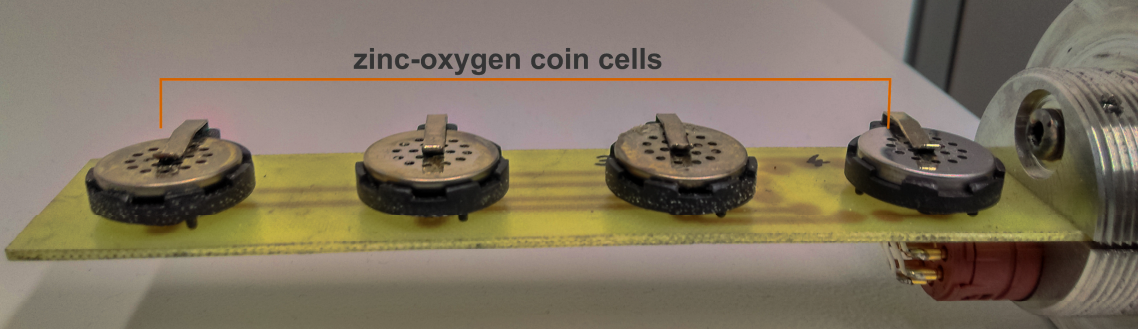
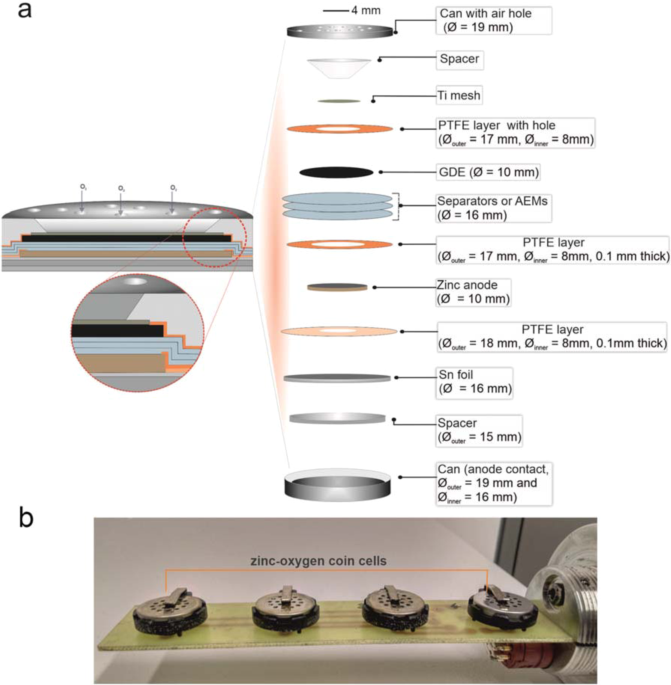
Now, we decided to make the data available in an online repository and describe it in Scientific Data so that future research can benefit from the data set provided. Overall, we describe reproducible data on the cycling performance and the durability of zinc oxygen batteries (test setup depicted below) with many different anode and cathode materials; the data set consists of voltage data for current-dependent discharge and charge. We want stimulate others to reuse the data for parameter fitting in model-based / simulation work, but also want to encourage others to make their data on the performance of battery materials available to propel the research field.
Our paper in Scientific Data is available here.

Follow the Topic
-
Scientific Data
A peer-reviewed, open-access journal for descriptions of datasets, and research that advances the sharing and reuse of scientific data.

Related Collections
With Collections, you can get published faster and increase your visibility.
10 years of the FAIR principles
Publishing Model: Open Access
Deadline: Nov 14, 2026
Data to support cancer treatment, diagnosis, and disease understanding
Publishing Model: Open Access
Deadline: Jan 02, 2027