A tale of two fishes: how standing genetic diversity influences species responses to environmental change
Published in Ecology & Evolution





Many factors influence how a species responds to environmental (especially climatic) change – ecological traits such as thermal tolerance and migratory ability, demographic traits such as population size and genetic traits such as standing genetic variation may all play a role. Understanding how – and which of – these traits will allow species to respond to climate change is critically important for the conservation of threatened species [1]. However, more information is needed about the genetic components of adaptation and how these may interact with ecology to drive species responses to climate change, especially in terms of range shifts.
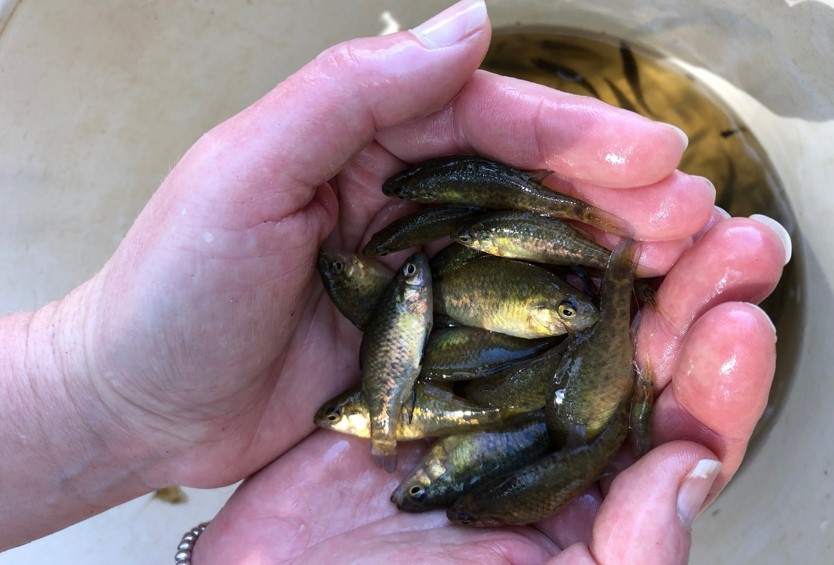
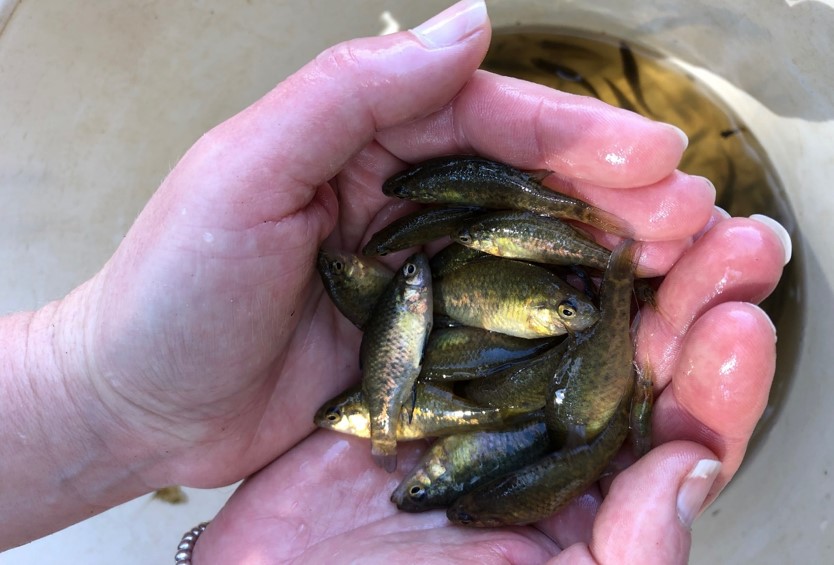
Our research focused on a pair of co-distributed freshwater fishes known as the southern (Nannoperca australis) and Yarra (Nannoperca obscura) pygmy perches. These two species are ecologically similar in many ways – both are small, poorly-dispersing habitat specialists which co-occur in creeks and floodplains across southeast Australia. Although the two species are regularly found together, southern pygmy perch have a wider range and are also found in drainages where Yarra pygmy perch does not occur. While overall genetic diversity is low for both species, Yarra pygmy perch populations have exceptionally low diversity (some of the lowest recorded for a freshwater fish [2]); this has not been linked to a recent or historical bottleneck event and is likely the result of a long-term lack of genetic diversity [3].
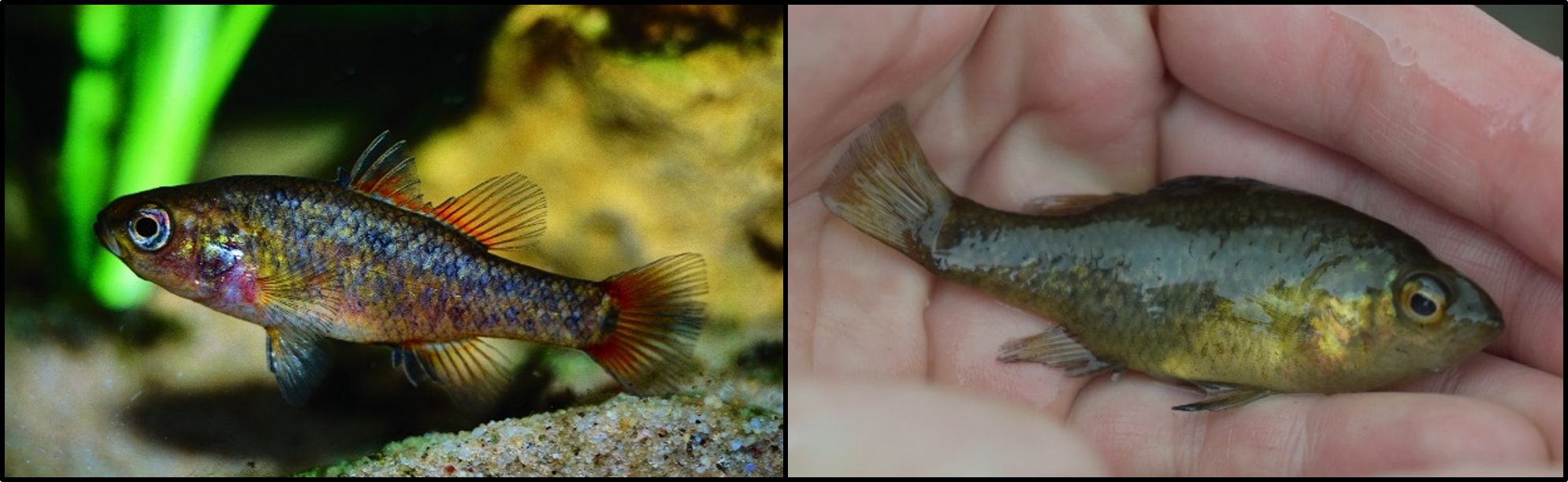
Extensive habitat modification and drought events have significantly impacted the conservation status of both species, with southern pygmy perch listed as threatened across its range while Yarra pygmy perch are endangered. In response, our group has been implementing a genetics-based captive breeding and reintroduction program over the last decade, which has resulted in the successful release and establishment of wild southern pygmy perch populations [4] but not for Yarra pygmy perch [5]. We sought to understand what role evolutionary history may have played in these disparate outcomes of similar conservation programs – were Yarra pygmy perch “destined” to respond poorly to reintroduction, or were other factors at play?
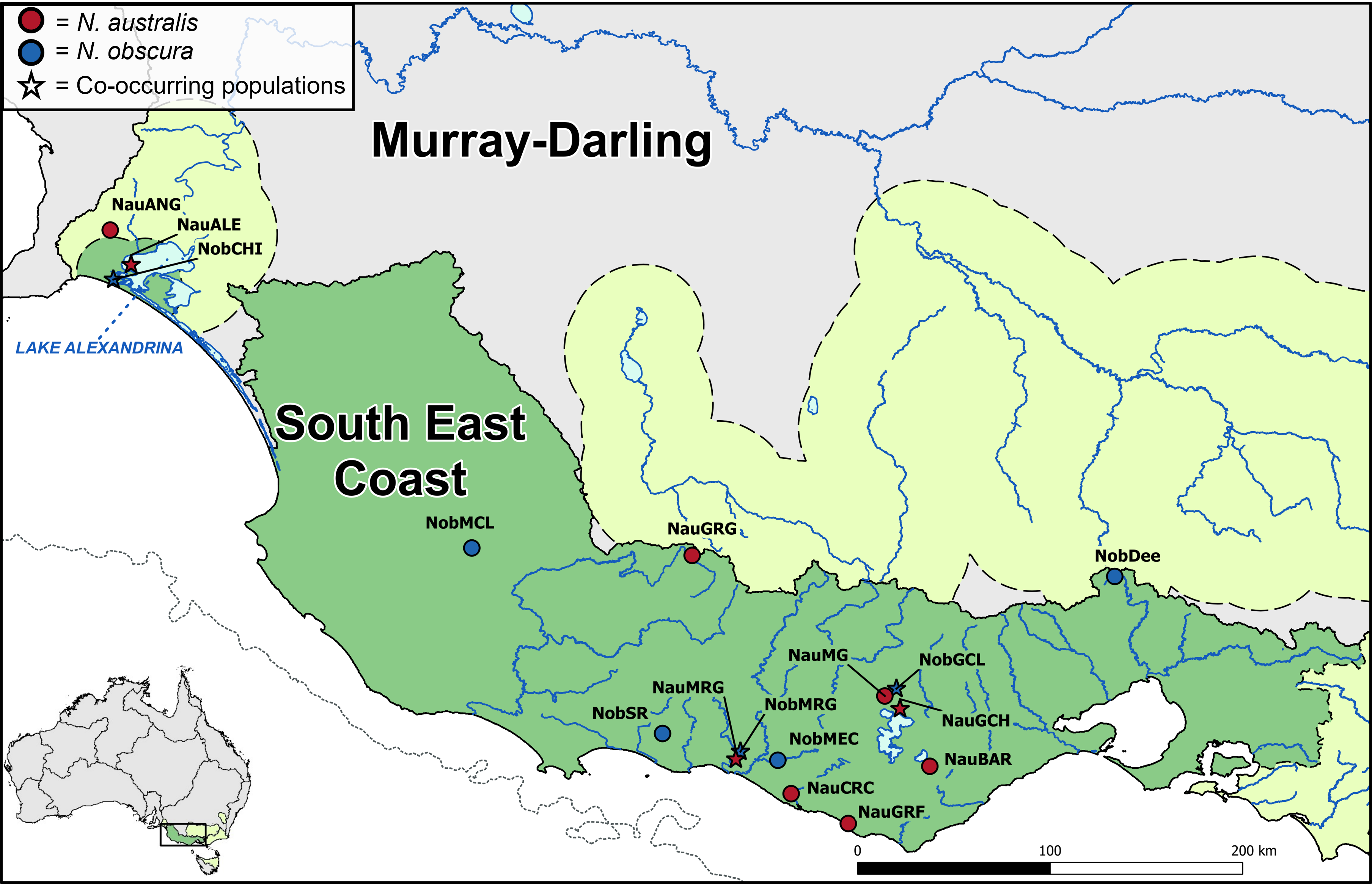
We obtained genomic data (ddRAD-seq) from wild populations of both species across their shared distribution to understand their evolutionary histories through phylogenetic, coalescent and demographic approaches. We also used environmental modelling to understand how their distributions had changed back in time. We predicted that their evolutionary histories and distribution changes would be similar if ecological factors played a relatively strong role in their responses to past climatic changes, with current differences owing to different species responses to recent environmental changes (or other unknown factors). Contrastingly, disparate histories would indicate that genetic diversity and demography played a relatively larger role and underpinned their contemporary differences in conservation status. The truth, unexpectedly, was a complex combination of both.
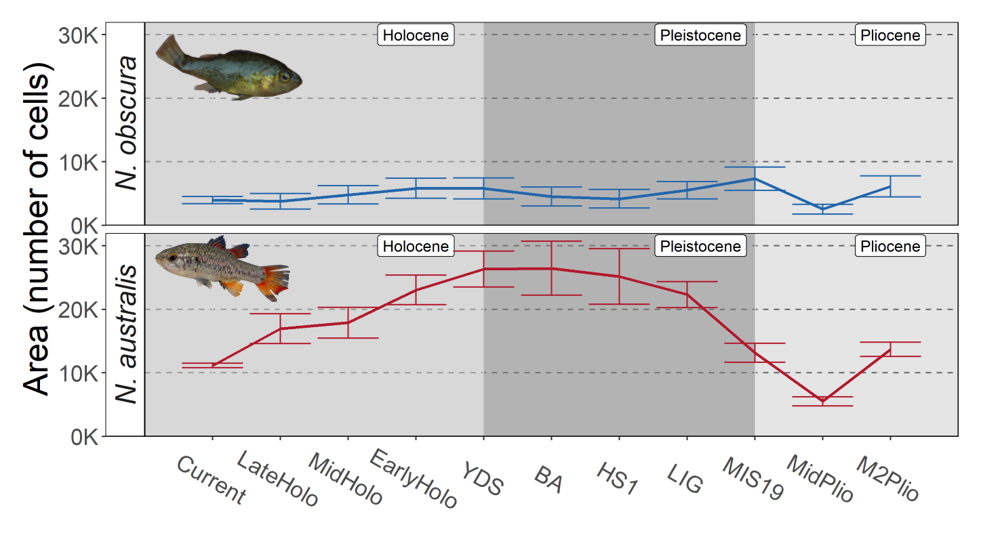
Several key differences across the species were immediately apparent. As expected, genetic diversity was much lower in Yarra than southern pygmy perch, likely influenced by lower historical connectivity between populations. Additionally, we found evidence for a large-scale expansion of distribution in southern pygmy perch during the last glacial maximum (~21 Kya), but not in Yarra pygmy perch (which appears to have been confined to its current distribution extent throughout history). The two species seemed to share this region of coastal southeast Australia as a climatic refugium throughout time. Together, these various components show very different evolutionary histories between the two species.
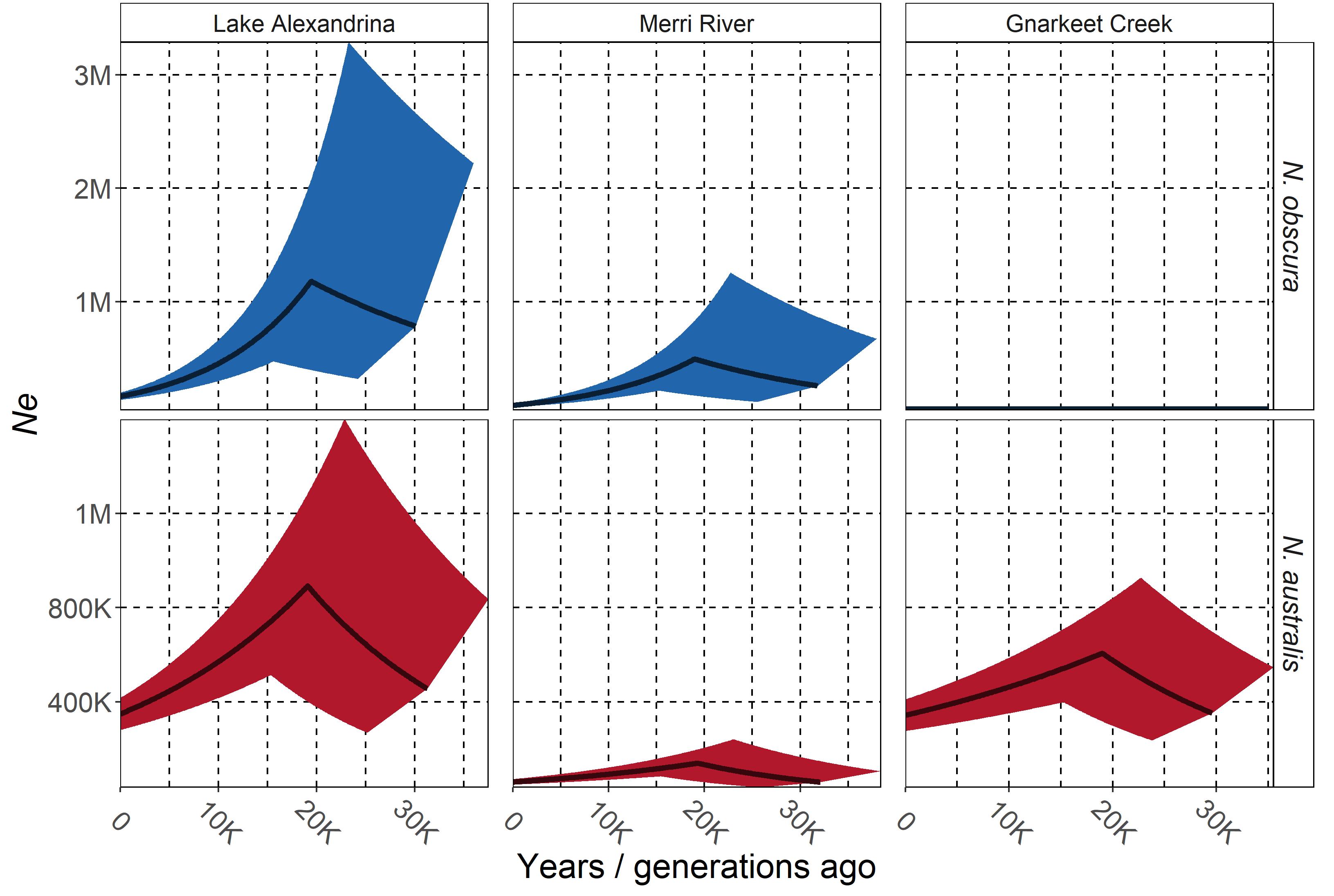
However, our demographic modelling suggested that pairs of populations across the two species which were found in the same rivers largely responded in the same way – with an expansion in size during the last glacial maximum, when cooler temperatures and glacial run-off facilitated larger populations. However, these similarities decreased closer to the edge of the shared refugium, where Yarra pygmy perch populations stopped showing these increases in population size. Connecting these pieces of the puzzle together suggested that a complex interaction of demographic history and genetic diversity within a species may be a key factor explaining differences in responses between species.
We suggested that the higher genetic variation in southern pygmy perch throughout history – boosted by higher interpopulation connectivity – provided the capacity for the species to capitalise on the more favourable conditions of glacial maxima. Yarra pygmy perch, however, seem to have always lacked this genetic diversity and thus could not expand in the same way. These findings highlight the complex role of intraspecific patterns in shaping interspecific variation in species responses, and suggests an important factor possibly underlying the lack of success in Yarra pygmy perch reintroductions. Reintroductions (or introductions into novel habitat) mimic many of the selective processes under which range expansions occur, with small populations struggling to adapt and maintain stability in a challenging environment. Our historical perspectives suggest that the lack of genetic diversity in Yarra pygmy perch is a significant barrier for them – our captive management program has now evolved into genetic rescue by mixing divergent populations to try and address this issue. Without these efforts to bolster genetic diversity, threatened species may not be adequately equipped to handle the trials of reintroduction and the challenges of a changing world.
Want to hear more tales of these two fishes? Be sure to check out the paper, out now in BMC Ecology and Evolution, here: https://bmcecolevol.biomedcentral.com/articles/10.1186/s12862-022-01990-2.
- Waldvogel AM, Feldmeyer B, Rolshausen G, Exposito-Alonso M, Rellstab C, Kofler R, Mock T, Schmid K, Schmitt I, Bataillon T et al: Evolutionary genomics can improve prediction of species' responses to climate change. Evol Lett 2020, 4(1):4-18. doi: 10.1002/evl3.154.
- Brauer CJ, Unmack PJ, Hammer MP, Adams M, Beheregaray LB: Catchment-scale conservation units identified for the threatened Yarra pygmy perch (Nannoperca obscura) in highly modified river systems. PLoS ONE 2013, 8(12):e82953. doi: 10.1371/journal.pone.0082953.
- Attard CR, Moller LM, Sasaki M, Hammer MP, Bice CM, Brauer CJ, Carvalho DC, Harris JO, Beheregaray LB: A novel holistic framework for genetic-based captive-breeding and reintroduction programs. Conservation Biology 2016, 30(5):1060-1069. doi: 10.1111/cobi.12699.
- Marshall IR, Brauer CJ, Wedderburn SD, Whiterod NS, Hammer MP, Barnes TC, Attard CRM, Möller LM, Beheregaray LB: Longitudinal monitoring of neutral and adaptive genomic diversity in a reintroduction. Conservation Biology 2022. doi: 10.1111/cobi.13889.
- Beheregaray LB, Attard CR, Brauer CJ, Whiterod NS, Wedderburn SD, Hammer MP: Conservation breeding and reintroduction of pygmy perches in the lower Murray-Darling Basin, Australia: two similar species, two contrasting outcomes. In: Global conservation translocation perspectives: 2021 Case studies from around the globe. Edited by Soorae PS. Gland, Switzerland: IUCN SSC Conservation Translocation Specialist Group, Environment Agency; 2021: 26-31.

I am a conservation geneticist with a keen interest in the application of evolutionary and ecological genetics to address key conservation issues. Although my initial postgraduate research focused on the role of historical environmental changes in shaping the evolution and conservation status of freshwater fishes, I love working with all kinds of taxonomic groups. My current research focuses on applying a combination of genetic, morphological and demographic information to inform conservation management actions, particularly in regards to genetic rescue and population mixing.
Follow the Topic
-
BMC Ecology and Evolution
An open access, peer-reviewed journal interested in all aspects of ecological and evolutionary biology.

Related Collections
With Collections, you can get published faster and increase your visibility.
Nighttime ecology and evolutionary adaptations to low-light environments
BMC Ecology and Evolution welcomes submissions of research exploring the remarkable adaptations and ecological dynamics that enable life to flourish in the dark and low light environments. Contributions will explore evolutionary adaptations such as sensory specialization (e.g., night vision, echolocation, bioluminescence, heat-sensitive pits, and specialized hairs) that allow organisms to navigate, forage, and communicate in low-light conditions from caves to the deep sea. The collection will also investigate behavioral and physiological mechanisms, including circadian rhythm adjustments and predator-prey interactions, that are essential for survival in nocturnal niches.
Submissions on the impact of anthropogenic influences, such as light pollution, on nocturnal ecosystems and biodiversity are encouraged. The Collection also welcomes research on nighttime bioacoustics and soundscapes, examining how sound is used to adapt to and shape nocturnal environments. Contributions discussing the role of citizen science in advancing our understanding of nighttime ecology are also encouraged.
Publishing Model: Open Access
Deadline: Nov 20, 2026
Evolution of disease: From pathogens to proliferating cells
Evolution of disease: From pathogens to proliferating cells is a special Collection that explores how evolutionary processes shape health and disease—from infectious microbes to cancerous cells. We invite research within the discipline of evolutionary medicine that examine how forces such as natural selection, genetic drift, host-pathogen coevolution, and environmental change contribute to disease susceptibility, resistance, and progression. We welcome submissions that deepen our understanding of disease as a dynamic outcome of evolutionary interactions.
Topics of research may include but are not limited to research which uses evolutionary principles to understand:
1. Pathogen evolution, resistance, and host interactions
•
The evolution of antibiotic, antiviral, antifungal, and antiparasitic resistance
•
Mechanisms of immune evasion, persistence, and transmission
•
Experimental evolution and molecular insights into pathogen adaptation
•
Host-pathogen coevolution and the impacts of medical or environmental interventions
•
Comparative host-pathogen dynamics across species
2. Evolutionary mismatch and modern disease
•
Evolutionary insights into metabolic disorders, autoimmune conditions and cancer
•
When a previously advantageous trait becomes maladaptive due to change in the environment
3. Evolution of cancer
•
Evolutionary and ecological models of cancer progression and resistance
•
Comparative oncology: insights from cancer-resistant and long-lived species
•
Somatic evolution, immune escape, and tumor heterogeneity
4. Genetic variation, adaptation, and disease susceptibility
•
Adaptive and maladaptive genetic variants in human and animal populations
•
Pleiotropy and trade-offs in immune function, metabolism, and reproduction
•
Population genetics, admixture, and the evolutionary roots of health inequality
5. Microbiome evolution and host symbiosis
•
Coevolution and community ecology of host-associated microbiota
•
Functional evolution in microbial genomes and implications for host health
•
Microbiome shifts due to modern environments, drugs, or host genetic factors
6. Viral evolution and endogenous elements
•
Evolutionary arms races between hosts and viruses
•
Evolution and function of endogenous viral elements in animal genomes
•
Phylogenomic approaches to uncover ancient viral influences on host evolution
7. Experimental and computational approaches
•
Experimental evolution in microbial or model systems
•
Genomics, phylogenomics, and systems biology in disease evolution
•
Machine learning and AI in evolutionary medicine research
Publishing Model: Open Access
Deadline: Dec 04, 2026