Aflatoxin B1 and Eimeria ovinoidalis impair meat quality of sheep by regulating the HIF-1ɑ/HK2/glycolysis axis
Published in Agricultural & Food Science
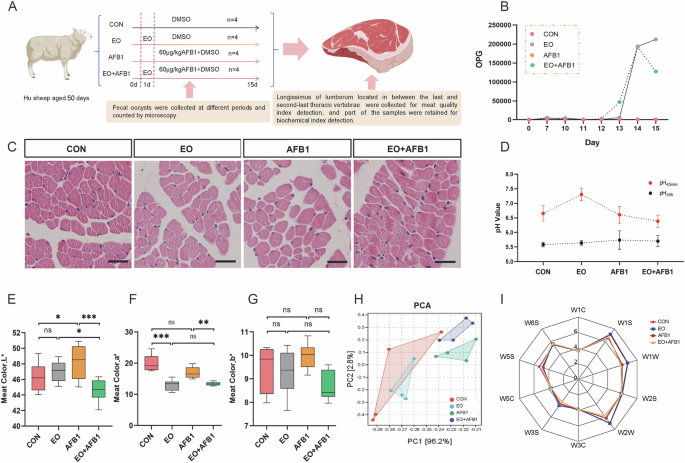

Mutton is a popular meat choice due to its rich nutritional content and flavor, making it a staple in many diets worldwide. However, sheep farming faces challenges such as moldy environments and pathogenic microorganisms, which can affect meat quality. Mycotoxins, particularly aflatoxins found in animal feed, pose health risks to both animals and humans. Additionally, coccidiosis, a protozoal disease affecting sheep, can further compromise meat quality. Now in our new article, we explore the combined effects of aflatoxin exposure and Eimeria ovinoidalis infection on the meat quality of sheep.
This study involved 16 female lambs divided into four groups to assess the impact of these factors on meat quality. We analyzed the longissimus dorsi muscle for physical indices like color, pH, and tenderness, as well as sensory indices such as flavor and texture. Advanced techniques like muscle metabolomics and transcriptomics were employed to understand the underlying mechanisms. The study revealed that co-treatment with aflatoxin and E. ovinoidalis altered muscle structure, pH levels, and flavor characteristics. The research highlights the importance of understanding these interactions to develop effective prevention strategies in sheep farming.
The results showed significant changes in meat quality parameters, including reduced redness and altered pH levels, which can affect shelf life and stability. The study concludes that aflatoxin and E. ovinoidalis have a synergistic effect on oxidative stress and inflammation in muscle tissues, impacting meat quality through glycolysis pathways. These findings provide insights into managing mycotoxin contamination and coccidiosis in sheep farming. Future research could focus on developing targeted interventions to mitigate these effects and improve meat quality.

Follow the Topic
-
npj Science of Food
This journal aims to advance understanding of all aspects of the ‘One Health’ approach to the food–human health nexus, and promote research related to the United Nations sustainable development goals.

Related Collections
With Collections, you can get published faster and increase your visibility.
Flavor Chemistry
Publishing Model: Open Access
Deadline: Dec 03, 2026
Food and Gut Microbiome interactions
Publishing Model: Open Access
Deadline: May 03, 2027