April 2026 Highlights from the Health & Clinical and Life Sciences Research Communities
Published in Bioengineering & Biotechnology, Microbiology, and General & Internal Medicine
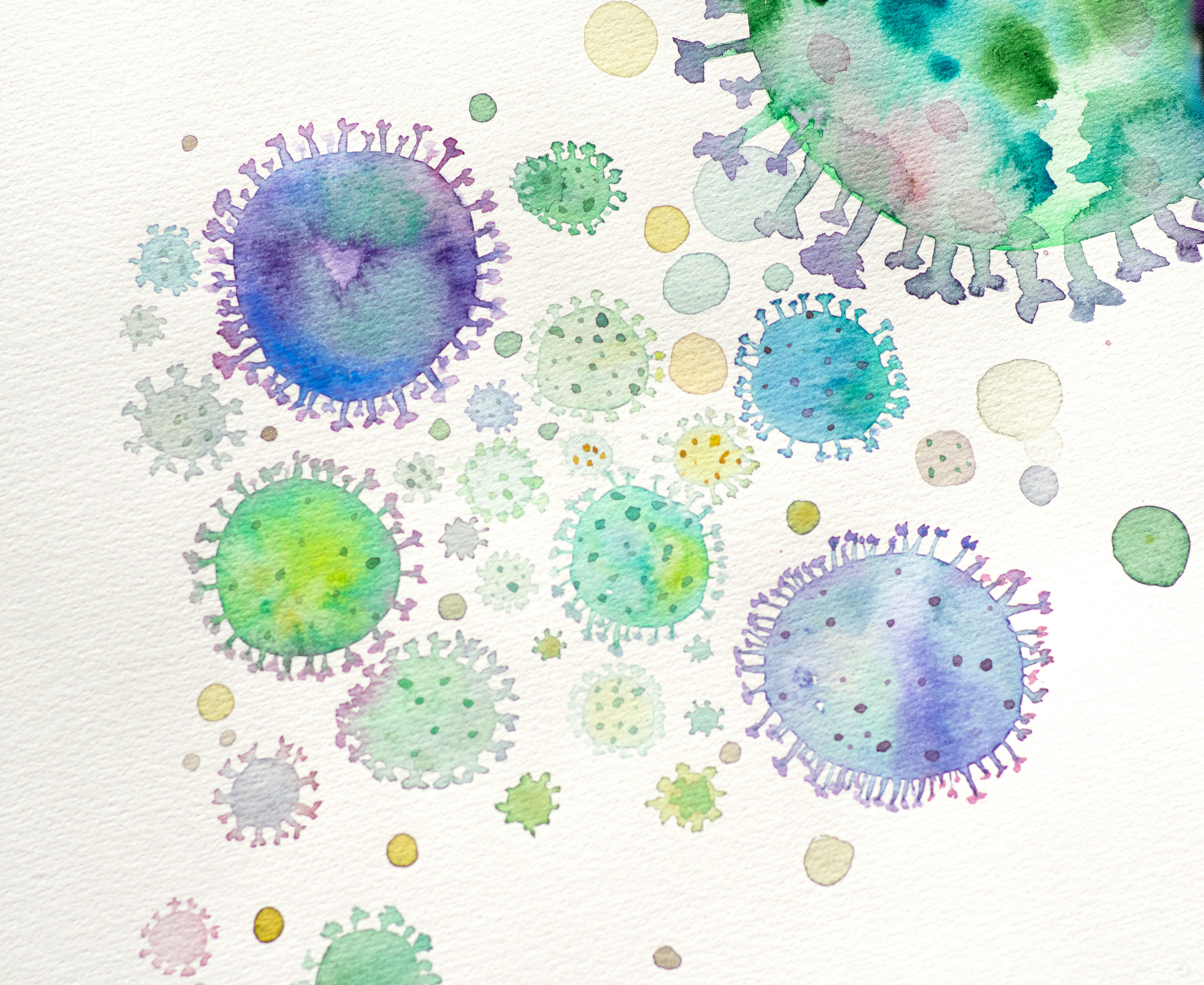





Welcome to the April roundup from the Health & Clinical Research and Life Science Communities. This month, we focus on global health challenges, translational innovation, infectious disease research, and new approaches to scientific communication and diagnostics.
In this roundup, I’ve highlighted posts discussing malaria, Ebola, arbovirus diagnostics, and the growing importance of translational research in turning scientific discoveries into real-world solutions.
Dive into the featured posts below to discover the latest insights, behind-the-scenes stories, and real-world impact emerging from research across the Health & Clinical Research and Life Science Communities.
World Malaria Day
Marked each year on 25 April, World Malaria Day provides an opportunity to reflect on global progress in malaria prevention, treatment and research. Several of this month’s featured posts explore different aspects of malaria research and communication, including translational science, public engagement and global collaboration.
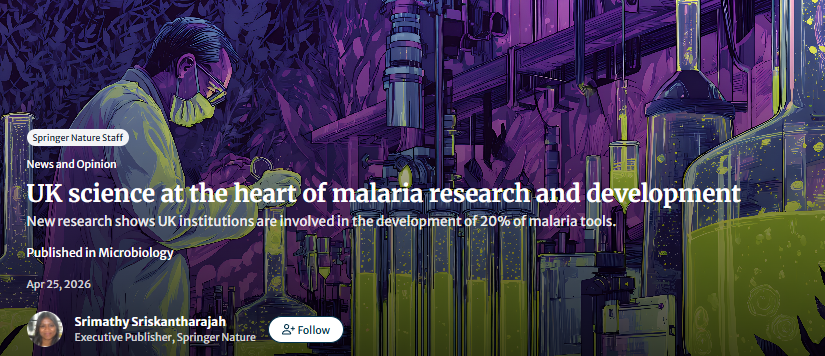
How UK is driving malaria innovation
Malaria is often seen as a disease confined to the tropics, but this post from @Srimathy Sriskantharajah highlights why it remains a global challenge and how UK science is helping to drive progress against it in this Bugbitten blog post. With imported malaria cases continuing in the UK and concerns over the re-emergence of local transmission in Europe and the USA, the research underscores the importance of sustained international action. The post explores new findings showing the UK’s major role in malaria research and development, including involvement in nearly a third of malaria vaccines currently in development and almost a quarter of malaria drugs in the pipeline. It also highlights how investment in malaria R&D supports both global health and the UK’s scientific and economic landscape.
Read the full post to learn how UK-led innovation and research partnerships are shaping the future of malaria prevention and treatment worldwide.
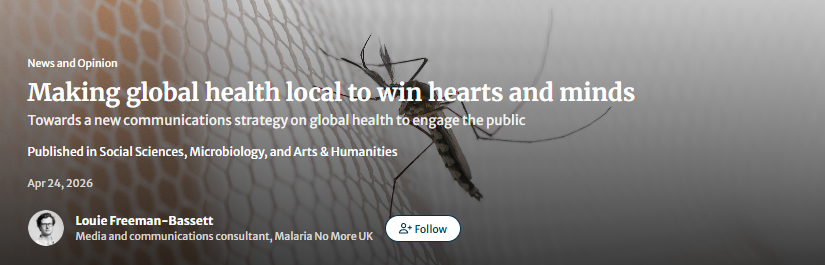
How the global health community must rethink how it connects with the wider audiences
Public engagement with global health has shifted significantly since the pandemic, and in this post, @Louie Freeman-Bassett explores what this means for the future of global health communication. As public attention turns increasingly towards domestic and security concerns, the post argues that the global health community must rethink how it connects with wider audiences. Drawing on recent research into public trust and attitudes towards science, it highlights the unique role scientists can play as trusted and relatable communicators.
Read the full post to discover why rebuilding trust and making global health feel more personal and local could be key to securing future support for global health and malaria research.
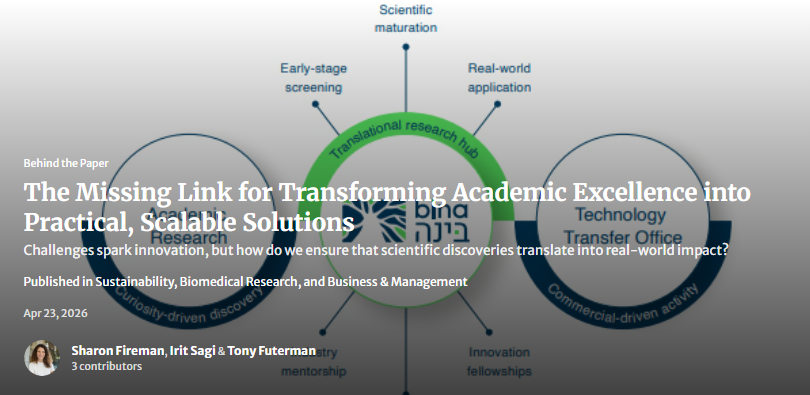
How do you transform academic excellence into practical and scalable solutions?
In this Behind the Paper post, @Sharon Fireman, Irit Sagi and @Tony Futerman explore how the Weizmann Institute of Science created Bina, a translational research and innovation unit designed to bridge the gap between scientific discovery and application. The post highlights work published in Nature Biotechnology, how Bina supports researchers in moving promising ideas beyond the early discovery stage through mentorship, interdisciplinary collaboration, and tailored innovation training. One example explores how a PhD student combined expertise in antimicrobial peptides with malaria parasite biology to develop potential new malaria therapeutics now being evaluated by a malaria-focused non-profit organisation.
Read the full post to discover how this model is helping researchers turn academic excellence into scalable solutions across global health, biotechnology, and beyond.
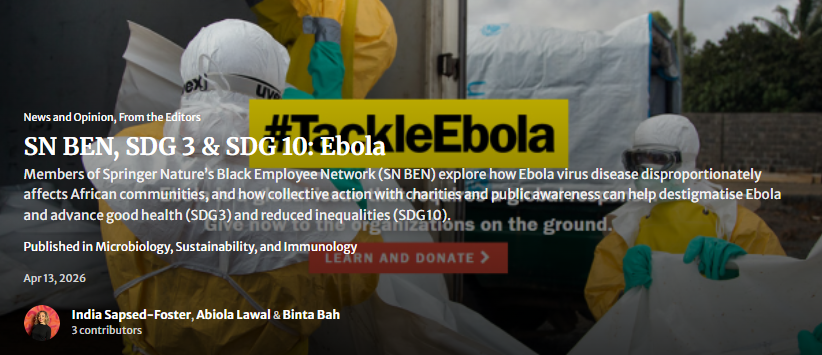
How does Ebola virus disease disproportionately affect African communities?
Ebola outbreaks continue to expose deep global health inequalities. In this collaborative post, members of Springer Nature’s Black Employee Network (SN BEN) @India Sapsed-Foster, @Abiola Lawal and @Binta Bah explore the far-reaching social, medical, and economic impacts of the disease across African communities. The post highlights the complex challenges surrounding Ebola and the importance of collective action including healthcare access, outbreak surveillance and long-term survivor support. It examines how community engagement, mental health support, education, and public awareness campaigns can help strengthen health systems and reduce inequalities in affected regions.
Read the full post to explore how global collaboration, advocacy, and community-driven support are advancing progress towards good health and reduced inequalities.
Untangling the complexity of arbovirus diagnosis
In regions where viruses such as dengue, Zika, and chikungunya circulate together, diagnosing infections is far from straightforward. In this Behind the Paper post, @Jason Rosado explores the challenge of antibody cross-reactivity, where immune responses to one virus can mistakenly appear as evidence of another, making accurate diagnosis difficult. The post explores their Nature Communications publication and follows the development of a multiplex serological assay designed to untangle these overlapping signals, combining laboratory techniques with advanced statistical modelling to better distinguish true infections from cross-reactive responses. Along the way, the team faced challenges ranging from sourcing reliable samples to refining methods capable of separating ‘signal from noise’ in complex datasets.
Read the full post to discover how innovative approaches in serology and modelling could improve arbovirus diagnostics and deepen our understanding of virus transmission dynamics.
These posts showcase the many ways research extends beyond the lab, influencing healthcare, policy, communication, and innovation on a global scale. Explore the full posts to learn more about the people, partnerships, and ideas helping to shape the future of research and global health.
There is always an abundance of amazing research stories being showcased on the Research Communities. To explore more, visit the Behind the Paper Channel and learn what thoughts and ideas go on behind the scenes of research projects.
Interested in more content highlights on the Research Communities?

Helping researchers connect, collaborate, and communicate their work. Specialising in Medicine and Life Science and passionate about making science more visible and accessible.
Follow the Topic
-
Nature Biotechnology
A monthly journal covering the science and business of biotechnology, with new concepts in technology/methodology of relevance to the biological, biomedical, agricultural and environmental sciences.
-
Nature Communications
An open access, multidisciplinary journal dedicated to publishing high-quality research in all areas of the biological, health, physical, chemical and Earth sciences.
Your space to connect: The Primary immunodeficiency disorders Hub
A new Communities’ space to connect, collaborate, and explore research on Clinical Medicine, Immunology, and Diseases!
Continue reading announcementRelated Collections
With Collections, you can get published faster and increase your visibility.
Women's Health
Publishing Model: Hybrid
Deadline: Ongoing
Biosensing
Publishing Model: Hybrid
Deadline: Jun 30, 2026




Please sign in or register for FREE
If you are a registered user on Research Communities by Springer Nature, please sign in