Behind the Paper - Walking Beside Mothers: How Continuity of Care Revealed a Hidden Pattern
Published in Healthcare & Nursing and General & Internal Medicine




My interest in this topic is rooted in both personal experience and years of working in primary health care. Like many women, I was diagnosed with ADHD later in life. That diagnosis reshaped how I understood my own history and it gave me a keen awareness of the patterns I had been witnessing for years in my clinical work as nurse and midwife.
Much of that work took place within the Australian Nurse Family Partnership Program, where I supported First Nations mothers from pregnancy until their child turned two. Continuity of care over such a long period created space for deep relationships to form. Mothers shared their childhood memories, adolescent challenges, and the realities of parenting. I often met multiple generations within the same family, and across these stories I began to see recurring themes: self-doubt, shame, coping strategies that had developed in response to years of feeling misunderstood, many women experienced trauma, and some shared comorbidities.
I advocated fiercely for these women, writing support letters, helping them navigate complex systems, and walking beside them as they sought assessment or diagnosis. Some were successful, but many encountered significant gatekeeping. Symptoms were dismissed, previous diagnosis were rarely reconsidered, and vulnerable women were often left without the support they needed. Misdiagnosis and dismissal were not isolated events; they were patterns.
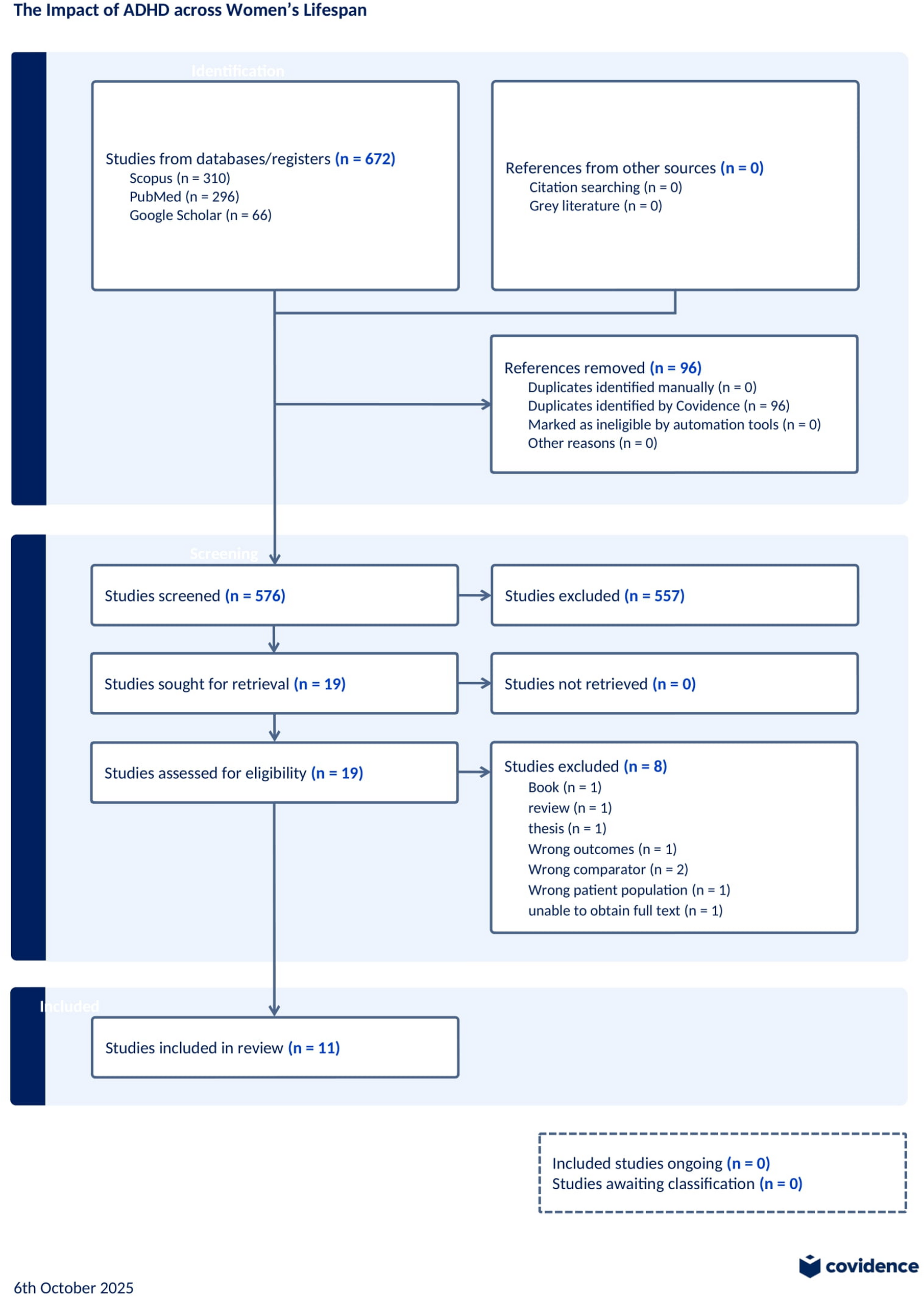
Although I loved my work and the families I supported, I could only walk alongside a small caseload at any given time. The similarities in their experiences, combined with my own diagnosis, compelled me to look deeper. This led to my final Master of Primary Maternity Care project, where I conducted the literature review that ultimately became this paper. Roslyn Donnellan-Fernandez was my supervising professor, and she supported me both in my writing and in the publication process.
With both sadness and excitement, I stepped away from clinical practice and into academia as an Associate Lecturer in Nursing at the University of Southern Queensland. I made a quite promise to the mothers I had supported: that I would continue this work through research, to connect the dots, to amplify their experiences, and to help improve the understanding and awareness of health professionals working with women across the lifespan.
This paper is one step in that journey. My long-term goal is to contribute to greater health equity for vulnerable women and for those living with neurodiversity. I am now planning to pursue a PhD, driven by the same commitment that began in those homes, sitting beside mothers who deserved to be heard, believed and supported.
Read the full paper here, https://link.springer.com/article/10.1186/s12905-025-04123-1

Follow the Topic
-
BMC Women's Health
This is an open access, peer-reviewed journal that considers articles on all aspects of the health and wellbeing of adolescent girls and women, with a particular focus on the physical, mental, and emotional health of women in developed and developing nations.

Related Collections
With Collections, you can get published faster and increase your visibility.
Physiotherapy and women's health
Women's health is a crucial and multifaceted area of study that encompasses a wide range of physical, psychological, and social factors. Physiotherapy plays a crucial role in addressing physical impairments and functional limitations associated with women-specific health conditions, including lymphedema, osteoporosis, reproductive health issues, incontinence, pelvic floor dysfunction, and breast surgery. As awareness of these issues grows, the integration of physiotherapy into women's health care has emerged as a promising avenue to improve outcomes and quality of life for women across different life stages (e.g. adolescence, reproductive years, menopause, and post-menopause), disease prevention, and health promotion in addition to rehabilitation.
Advances in research have underscored the importance of tailored physiotherapy interventions that consider the unique physiological and emotional aspects of women's health. Developments in pelvic floor therapy, for instance, have demonstrated significant improvements in conditions such as urinary incontinence and pelvic pain. Furthermore, physiotherapy is increasingly recognized as an essential component of recovery for women facing challenges related to breast cancer. Such findings highlight the need for continued exploration of the therapeutic benefits of physiotherapy in addressing the diverse health needs of women.
Ongoing research in this field may lead to innovative treatment approaches and the development of evidence-based guidelines that empower healthcare professionals to better support women’s health. By exploring new modalities and incorporating a more holistic understanding of women's unique health issues, future studies can pave the way for improved health outcomes and the establishment of effective preventive measures.
The collection will include but is not limited to the topics below:
- Pelvic floor dysfunction
- Physiotherapy during pregnancy and postpartum (including pregnancy-related pain)
- Menstrual pain and chronic pelvic pain
- Gynecological and breast cancer rehabilitation and survivorship
- Lymphedema management
- Osteoporosis prevention and rehabilitation
- Innovative and technology-assisted rehabilitation strategies
- Mechanisms and evidence-based approaches in women-specific physiotherapy
- Biopsychosocial and holistic models in women’s health physiotherapy
This Collection supports and amplifies research related to SDG 3: Good Health & Well-being.
All manuscripts submitted to this journal, including those submitted to collections and special issues, are assessed in line with our editorial policies and the journal’s peer review process. Reviewers and editors are required to declare competing interests and can be excluded from the peer review process if a competing interest exists.
Publishing Model: Open Access
Deadline: Dec 16, 2026
Lifestyle and women's mental health
The significance of this research is underscored by recent advances in understanding the role of lifestyle modifications in alleviating mental health issues such as depression and anxiety. Studies have shown that changes in diet, increased physical activity, and improved sleep hygiene can lead to significant improvements in mental well-being. By fostering a holistic approach to mental health, we can empower women to make informed lifestyle choices that promote resilience and psychological health.
Continued exploration in this field holds promise for innovative interventions that integrate lifestyle changes into mental health care. Future research may uncover new insights into the specific lifestyle modifications that yield the greatest benefits for women's mental health, ultimately leading to improved clinical practices and enhanced quality of life for women.
Topics welcome to the Collection include, but are not limited to, the following:
• The impact of diet on women's mental health
• Physical activity and its effects on depression
• Sleep patterns and mental well-being in women
• Holistic approaches to women's mental health
This Collection supports and amplifies research related to SDG 3: Good Health & Well-being, and SDG 5: Gender Equality.
All manuscripts submitted to this journal, including those submitted to collections and special issues, are assessed in line with our editorial policies and the journal’s peer review process. Reviewers and editors are required to declare competing interests and can be excluded from the peer review process if a competing interest exists.
Publishing Model: Open Access
Deadline: Nov 10, 2026