Biochemical and Bioactive Potential of the Sea-urchin Stomopneustes variolaris from the Bay of Bengal
Published in Biomedical Research
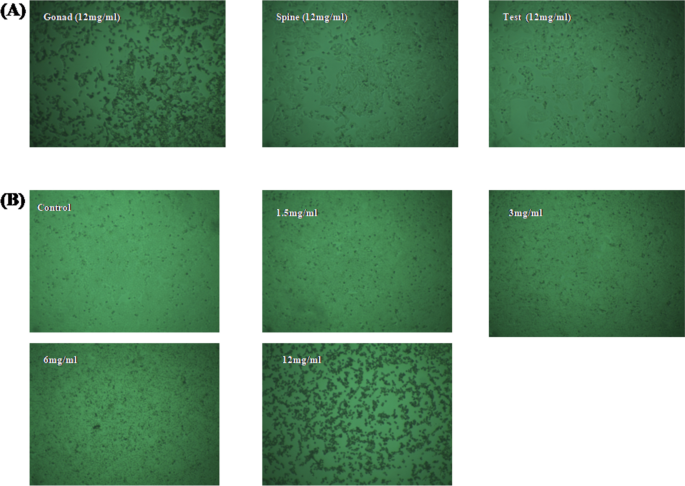

Stomopneustes variolaris is a sea-urchin species collected from the southwestern region of St. Martin’s Island in the Bay of Bengal. For the first time in this region, the study explored the biochemical composition and bioactive potential of the methanolic extracts of gonads, tests and spines through evaluating cytotoxicity against HeLa cells, antimicrobial activity against fifteen microbial strains, antioxidant capacity, metabolite profiling and amino acid composition. The gonad extract exhibited dose-dependent cytotoxicity on HeLa Cells with an LD50 of 11.5 mg/mL. Extracts of spines and tests displayed selective antimicrobial activity against bacteria (Bacillus megaterium, Staphylococcus aureus, Vibrio mimicus, Shigella boydii) and fungi (Candida albicans, Aspergillus niger) with inhibition zones of 6.5–7.4 mm. The gonads revealed the highest antioxidant activity in 2, 2-diphenyl-1-picrylhydrazyl (DPPH) assay (26.39 ± 1.53% to 82.35 ± 0.99% inhibition; IC50 34 µg/ml) compared to ascorbic acid (IC50 104 µg/ml). Total phenolic content was highest in the tests (254.7 ± 4.7 µg GAE/ml), followed by gonads (149.7 ± 2.5 µg GAE/ml) and spines (74.8 ± 1.9 µg GAE/ml). The EC50 values for reducing power were 254 µg/ml for gonads, 100 µg/ml for tests and 240 µg/ml for spines. The gonad was dominated by fatty acid methyl esters (methyl tetradecanoate 11.2%, methyl hexadecanoate 10.6%), glycerol-1-palmitate, sterols and minor polyunsaturated compounds; the tests contained long-chain and polyunsaturated fatty acid esters, glycerides and oxygenated compounds; the spines were rich in fatty acid amides (36% each of 13-docosenamide, 9-octadecenamide), sterols and cholesterol derivatives. The gonads contained 172.63 mg/g total amino acid, of which 31.31% were essential amino acids. All heavy metals were found at safe levels.




Please sign in or register for FREE
If you are a registered user on Research Communities by Springer Nature, please sign in