BOLD Blog in Brief
Published in Neuroscience


Explore the Research

 BOLD
BOLD
Home – BOLD
BOLD: Big ideas for growing minds
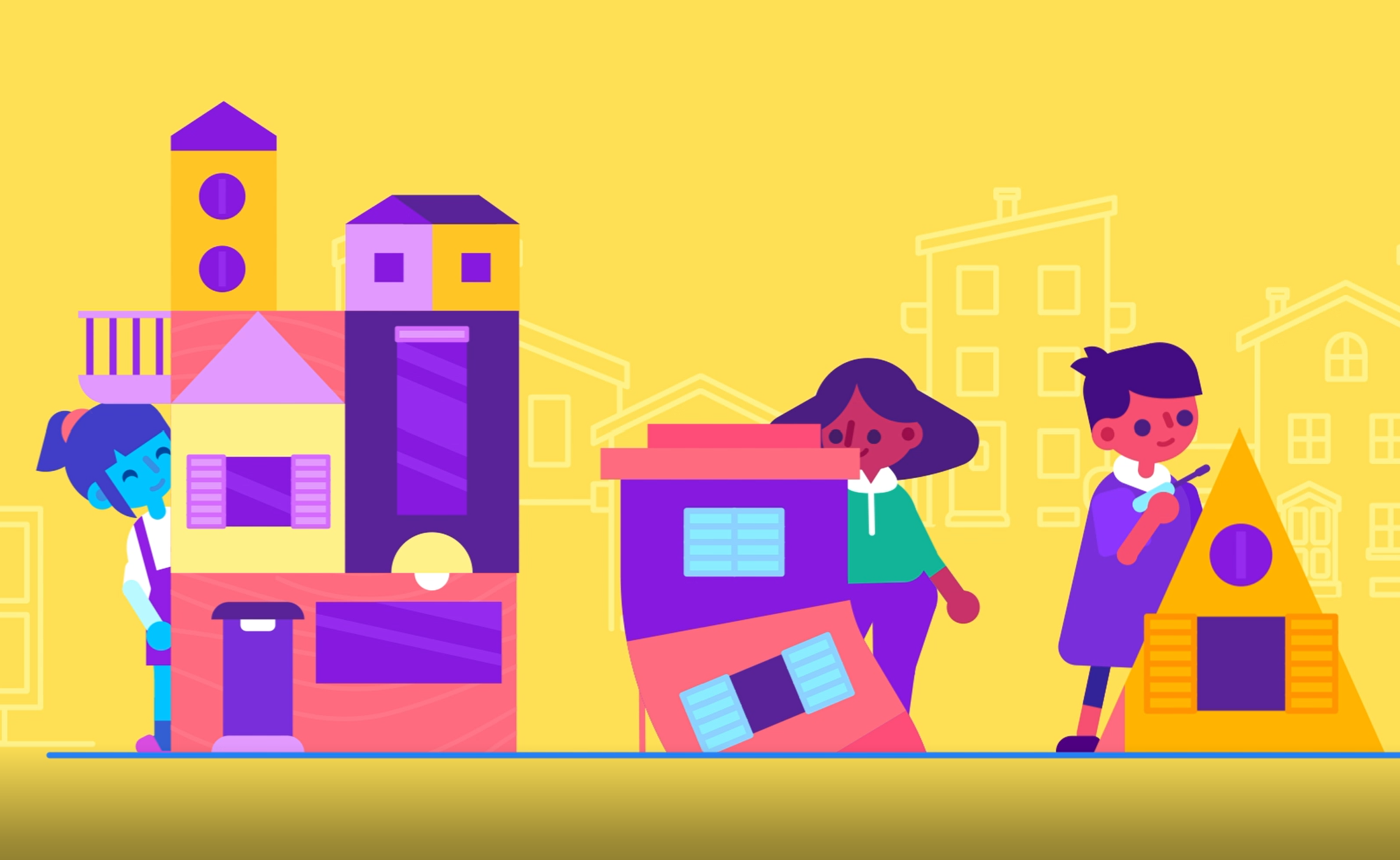
Children who live in dangerous or unstable environments encounter chronic stress that complicates their learning. Yet research has found that these children can possess specific coping skills or “hidden talents.” If educators can uncover and build on these talents, they may be able to help these students to succeed. In a short explainer video, Willem Frankenhuis and Tania Jenkins suggest modifications in teaching and learning activities to draw upon children’s hidden talents. Watch the video here.
Teachers’ evaluation of students’ work is most effective when students have “feedback literacy,” or the ability to understand the feedback and to act on it, says Annie Brookman-Byrne. Through one-on-one conversations, teachers can provide students with the opportunity to ask questions and to explore ways to build on strengths and make improvements. In this way, feedback becomes a highly productive two-way conversation. Read more here.
Illustration by kurzgesagt.




Please sign in or register for FREE
If you are a registered user on Research Communities by Springer Nature, please sign in