Call for papers: Automated and remote biodiversity monitoring
Published in Ecology & Evolution

BMC Ecology and Evolution is calling for submissions to our Collection on Automated and remote biodiversity monitoring. Preventing, halting, and reversing biodiversity loss is now being prioritized globally. In December 2022, world leaders adopted the Kunming-Montreal Global Biodiversity Framework. The Framework outlines goals for 2050 to be achieved via quantitative targets actioned by 2030 to protect and restore nature. Technological advances that allow automated or remote biodiversity monitoring are rapidly evolving and promise to help meet these global targets by providing scientific evidence to inform and evaluate ecosystem management and policy decisions.
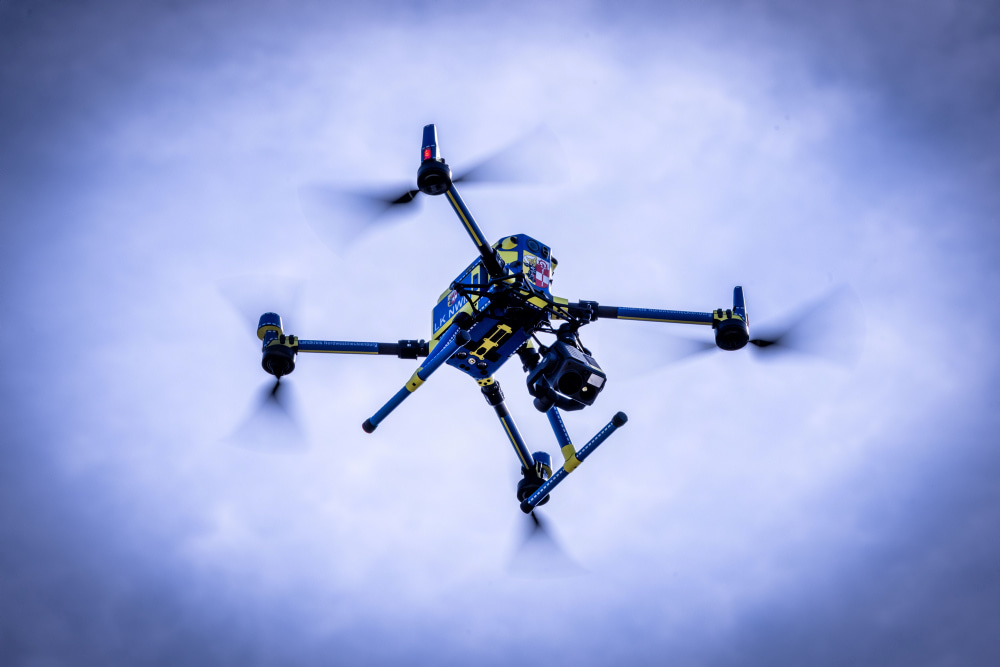
In support of the United Nations’ Sustainable Development Goals (SDGs) 6: Clean water and sanitation, 13: Climate action, 14: Life below water, and 15: Life on land, BMC Ecology and Evolution welcomes research harnessing the power of remote sensing, unmanned aerial vehicles (UAVs), remotely operated vehicles (ROVs), camera traps, distributed and connected sensor systems, lidar technology, environmental DNA (eDNA) analysis, mobile applications, and bioacoustics for automated and remote biodiversity monitoring. We also encourage the submission of research that uses machine learning and artificial intelligence to tackle the challenge of analyzing the abundance of data generated by such technologies for biodiversity monitoring.
Meet the Guest Editors
Jenni Raitoharju, Faculty of Information Technology, University of Jyväskylä, FinlandJenni Raitoharju is currently an Assistant Professor of Signal Processing at University of Jyväskylä, Finland and a part-time Senior Research Scientist at the Finnish Environment Institute. She received her PhD in Information Technology from Tampere University of Technology in 2017. Her research interests include machine learning and pattern recognition methods along with their application in environmental monitoring and autonomous systems. Raitoharju has been involved in several projects related to automated and remote environmental monitoring. Currently, she is the PI of an ongoing Academy of Finland project "TIMED: Taxa Identification with Machine Learning Enhanced by DNA Metabarcoding" and a task leader in a large Finnish Biodiversity Information Facility FIRI project. She has co-authored 78 papers in international peer-reviewed journals and conferences.
Luiz G. M. Silva, ETH-Zürich, Institute of Environmental Engineering, Switzerland
Dr Luiz G. M. Silva is an ecohydraulics scientist with a background in fish ecology and engineering. He has over 17 years of experience studying the effects of water infrastructure on freshwater fish and is highly active in discussions about measures to halt freshwater biodiversity loss. Thus, he has grown his research interest in freshwater monitoring tools and using artificial intelligence to enhance our capacity to collect and process data. He is also a member of the Freshwater Biodiversity Observation Network.
Submission Guidelines
This Collection welcomes submission of original Research Articles. Should you wish to submit a different article type, please read our submission guidelines to confirm that type is accepted by the journal. Articles for this Collection should be submitted via our submission system, Snapp. During the submission process you will be asked whether you are submitting to a Collection, please select "Automated and remote biodiversity monitoring" from the dropdown menu.Articles will undergo the journal’s standard peer-review process and are subject to all of the journal’s standard policies. Articles will be added to the Collection as they are published.
The Editors have no competing interests with the submissions which they handle through the peer review process. The peer review of any submissions for which the Editors have competing interests is handled by another Editorial Board Member who has no competing interests.
Submission Status: Open | Submission Deadline: 19 July 2024

Follow the Topic
-
BMC Ecology and Evolution
An open access, peer-reviewed journal interested in all aspects of ecological and evolutionary biology.

Related Collections
With Collections, you can get published faster and increase your visibility.
Evolution of disease: From pathogens to proliferating cells
Evolution of disease: From pathogens to proliferating cells is a special Collection that explores how evolutionary processes shape health and disease—from infectious microbes to cancerous cells. We invite research within the discipline of evolutionary medicine that examine how forces such as natural selection, genetic drift, host-pathogen coevolution, and environmental change contribute to disease susceptibility, resistance, and progression. We welcome submissions that deepen our understanding of disease as a dynamic outcome of evolutionary interactions.
Topics of research may include but are not limited to research which uses evolutionary principles to understand:
1. Pathogen evolution, resistance, and host interactions
•
The evolution of antibiotic, antiviral, antifungal, and antiparasitic resistance
•
Mechanisms of immune evasion, persistence, and transmission
•
Experimental evolution and molecular insights into pathogen adaptation
•
Host-pathogen coevolution and the impacts of medical or environmental interventions
•
Comparative host-pathogen dynamics across species
2. Evolutionary mismatch and modern disease
•
Evolutionary insights into metabolic disorders, autoimmune conditions and cancer
•
When a previously advantageous trait becomes maladaptive due to change in the environment
3. Evolution of cancer
•
Evolutionary and ecological models of cancer progression and resistance
•
Comparative oncology: insights from cancer-resistant and long-lived species
•
Somatic evolution, immune escape, and tumor heterogeneity
4. Genetic variation, adaptation, and disease susceptibility
•
Adaptive and maladaptive genetic variants in human and animal populations
•
Pleiotropy and trade-offs in immune function, metabolism, and reproduction
•
Population genetics, admixture, and the evolutionary roots of health inequality
5. Microbiome evolution and host symbiosis
•
Coevolution and community ecology of host-associated microbiota
•
Functional evolution in microbial genomes and implications for host health
•
Microbiome shifts due to modern environments, drugs, or host genetic factors
6. Viral evolution and endogenous elements
•
Evolutionary arms races between hosts and viruses
•
Evolution and function of endogenous viral elements in animal genomes
•
Phylogenomic approaches to uncover ancient viral influences on host evolution
7. Experimental and computational approaches
•
Experimental evolution in microbial or model systems
•
Genomics, phylogenomics, and systems biology in disease evolution
•
Machine learning and AI in evolutionary medicine research
Publishing Model: Open Access
Deadline: Dec 04, 2026
Nighttime ecology and evolutionary adaptations to low-light environments
BMC Ecology and Evolution welcomes submissions of research exploring the remarkable adaptations and ecological dynamics that enable life to flourish in the dark and low light environments. Contributions will explore evolutionary adaptations such as sensory specialization (e.g., night vision, echolocation, bioluminescence, heat-sensitive pits, and specialized hairs) that allow organisms to navigate, forage, and communicate in low-light conditions from caves to the deep sea. The collection will also investigate behavioral and physiological mechanisms, including circadian rhythm adjustments and predator-prey interactions, that are essential for survival in nocturnal niches.
Submissions on the impact of anthropogenic influences, such as light pollution, on nocturnal ecosystems and biodiversity are encouraged. The Collection also welcomes research on nighttime bioacoustics and soundscapes, examining how sound is used to adapt to and shape nocturnal environments. Contributions discussing the role of citizen science in advancing our understanding of nighttime ecology are also encouraged.
Publishing Model: Open Access
Deadline: Nov 20, 2026