Call for papers: Microbial Plastic Degradation
Published in Bioengineering & Biotechnology, Earth & Environment, and Microbiology

What is this collection about?
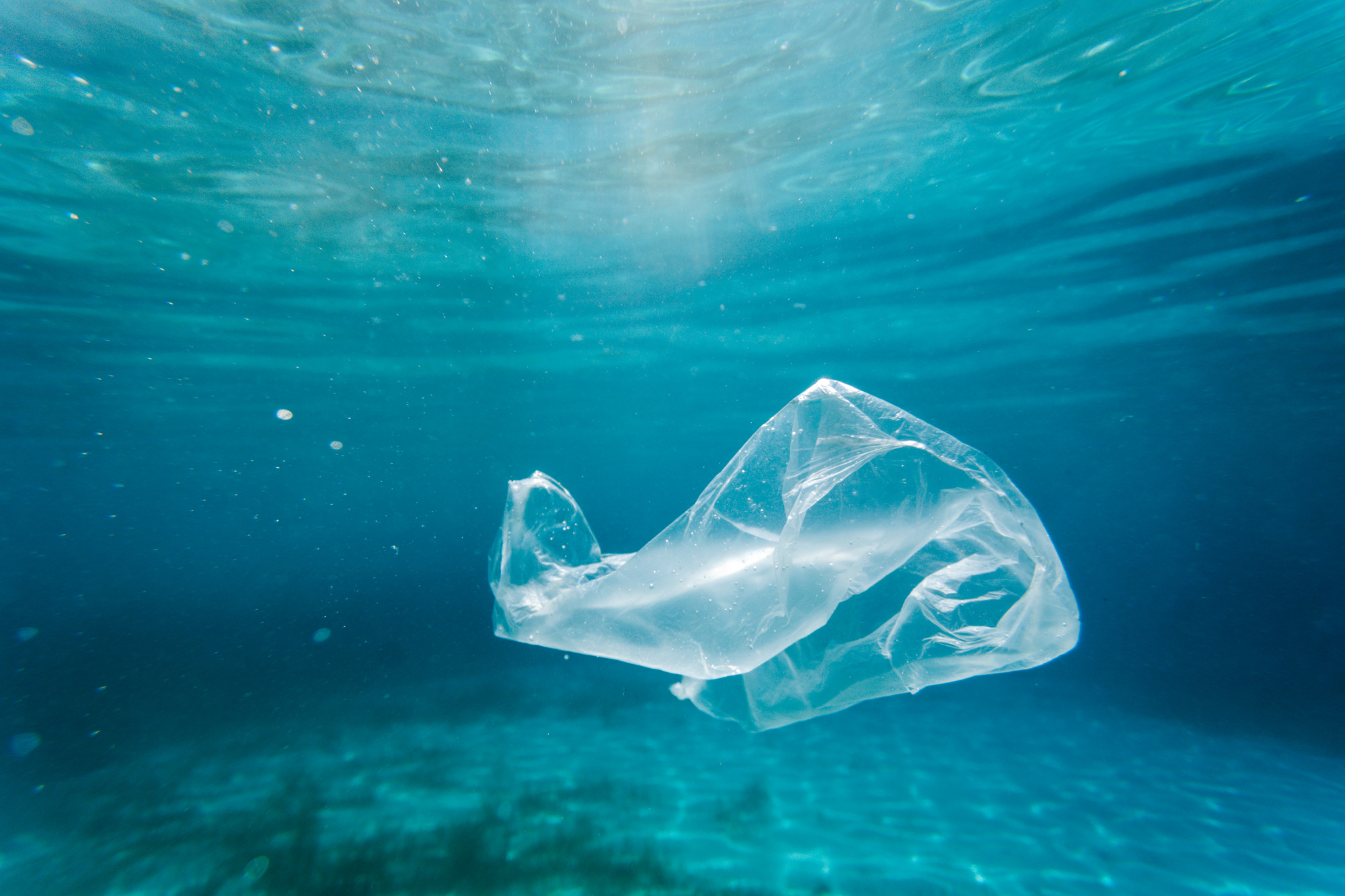
This Collection explores the mechanisms involved in microbial plastic degradation, including plastics such as polyethylene terephthalate (PET), polypropylene and polylactic acid. Nature Communications, Communications Biology, npj Soil Ecology, npj Toxicology, npj Materials Degradation and npj Ocean Sustainability invite submissions that advance understanding of enzymatic mechanisms, ecological impacts and biotechnological applications. Topics include the role of microorganisms and enzymes in plastic degradation, development of microbial degradation systems, microbial communities involved in degradation processes, and the discovery of previously uncharacterized plastic-degrading enzymes.
Why is this collection important?
Plastic pollution is one of the most significant environmental challenges facing ecosystems worldwide. Understanding how microorganisms and their enzymes break down plastics has the potential to improve waste management, reduce environmental contamination and support the development of more sustainable technologies. By bringing together research from multiple disciplines and journals, this Collection will highlight advances in microbial plastic degradation and help accelerate progress in this rapidly developing field.
This Collection supports and amplifies research related to United Nations Sustainable Development Goal 6 (SDG 6): Clean Water and Sanitation and SDG 14: Life Below Water.
Why submit to a collection?
Collections like this one help attract and promote high-quality science. They are led by internal In-House Editors and supported by a dedicated team of Commissioning Editors and Managing Editors at Springer Nature. Collection manuscripts typically see higher citations, downloads, and Altmetric scores, and provide a one-stop-shop on a cutting-edge topic of interest.
Who is involved?
Communications Biology is edited by both in-house professional editors and Editorial Board Members.
Nature Communications is edited by in-house professional editors.
npj Toxicology is edited by a team of external academic editors.
npj Ocean Sustainability is edited by a team of external academic editors.
npj Soil Ecology is edited by a team of external academic editors.
npj Materials Degradation is edited by a team of external academic editors.
Our editors work closely together to ensure the quality of our published papers and consistency in author experience.
How can I submit my paper?
Visit the Collection page to find out more about this collection and submit your article.
Follow the Topic
-
Communications Biology
An open access journal from Nature Portfolio publishing high-quality research, reviews and commentary in all areas of the biological sciences, representing significant advances and bringing new biological insight to a specialized area of research.
-
Nature Communications
An open access, multidisciplinary journal dedicated to publishing high-quality research in all areas of the biological, health, physical, chemical and Earth sciences.
-
npj Materials Degradation
This journal considers basic and applied research that explores all aspects of the degradation of metallic and non-metallic materials. The journal broadly defines ‘materials degradation’ as a reduction in the ability of a material to perform its task in-service as a result of environmental exposure.
-
npj Ocean Sustainability
This journal considers research examining all aspects of promoting the sustainable management and conservation of the world's oceans.
Related Collections
With Collections, you can get published faster and increase your visibility.
Fisheries and Aquaculture Subsidies and Their Discontents
Publishing Model: Open Access
Deadline: Oct 16, 2026
Deep-Sea Mining
Publishing Model: Open Access
Deadline: Oct 31, 2026