Carvacrol modulates instability of xenobiotic metabolizing enzymes and downregulates the expressions of PCNA, MMP-2, and MMP-9 during diethylnitrosamine-induced hepatocarcinogenesis in rats
Hepatocellular carcinoma (HCC) is one type of malignant tumor that occurs in the liver. HCC is the fifth most common cancer worldwide and the third most common cause of cancer mortality.
Published in General & Internal Medicine
Like
Be the first to like this
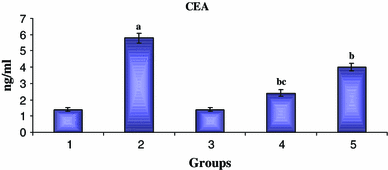

The results of the present study conclusively demonstrate that carvacrol attenuates hepatocellular carcinoma through inhibition of cell proliferation and tumor metastasis. This is evidenced by the down-regulation of PCNA, MMP-2, and MMP-9; overexpression of these proteins is associated with tumorigenesis. Carvacrol modulates the instability of xenobiotic metabolizing enzymes and decreases the levels of tumor markers, also indicating the antitumor activity of carvacrol. Further studies are underway to elucidate the detailed mechanism of action of carvacrol as an antitumor agent in the treatment of hepatocellular carcinoma.

Associate Professor in Genetics, Chettinad Academy of Research and Education
Follow the Topic
Liver Cancer
Life Sciences > Health Sciences > Clinical Medicine > Diseases > Cancers > Gastrointestinal Cancer > Liver Cancer