Colorectal cancer is associated with increased circulating lipopolysaccharide, inflammation and hypercoagulability
Published in Cancer
Our research group consists of physiologists, a gastroenterologist, a colorectal surgeon, as well as a data scientist who are all interested in making a difference in patients’ lives, and also to pursue novel applications for our research findings. Novel strategies must be used to aid in the identification of individuals at risk of developing colorectal cancer (CRC). Importantly, blood-based screening tools are an emerging research area of interest for CRC screening.
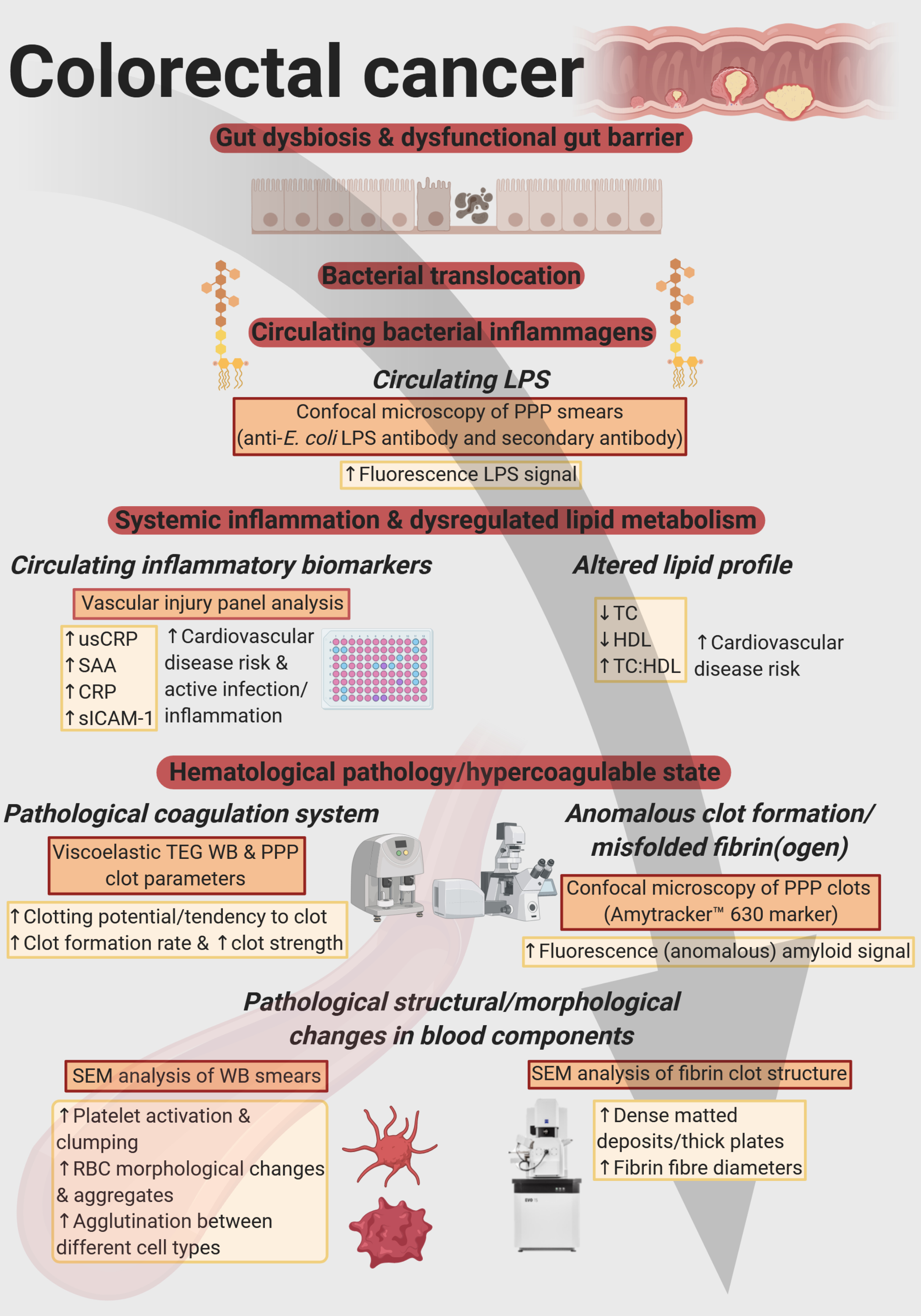
One of us, Willem de Villiers, is a gastroenterologist and an expert in Inflammatory Bowel Disease. He has often noticed in the clinical setting that patients who experience flares of their chronic intestinal inflammation or who suffer from CRC also are more likely to have complications such as venous thrombosis (hypercoagulability). This paper investigated the presence of circulating lipopolysaccharide (LPS) and other circulating biomarkers, indicative of systemic inflammation and abnormal clot formation, in healthy individuals and patients with newly diagnosed CRC.
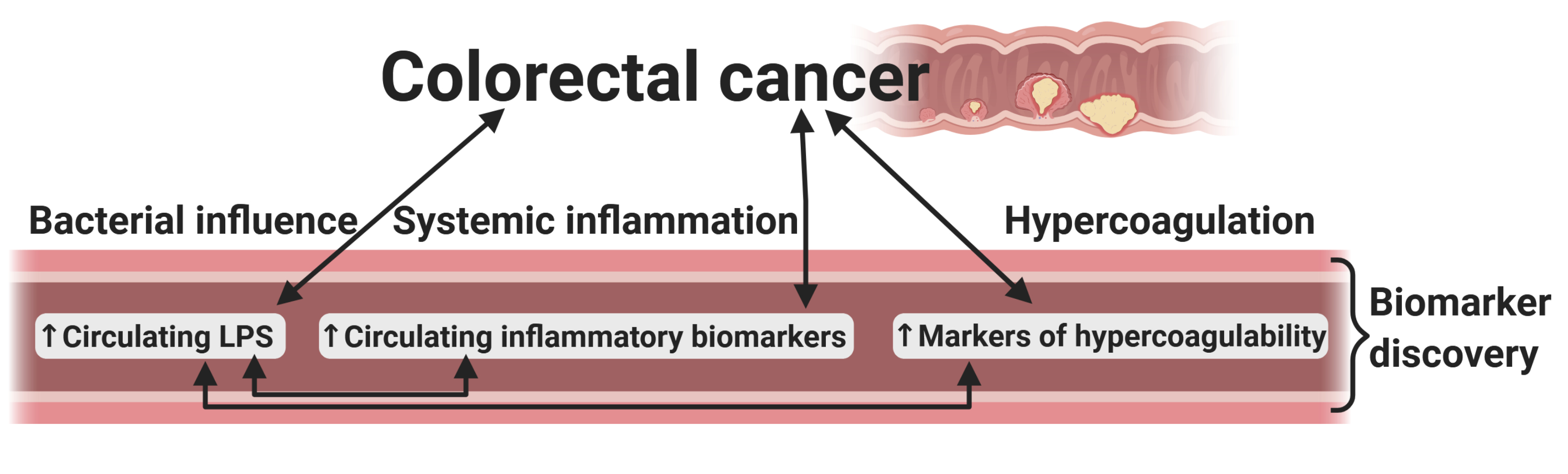
We showed that circulating levels of LPS are significantly elevated in the CRC population. Moreover, markers of inflammation and hypercoagulability are also increased in this population. Statistical regression models identified markers with strong association with CRC, and we investigated the correlation between these markers. A core aim of our study was therefore biomarker discovery for CRC across a wide range of groups (see Figure 1).

Follow the Topic
-
Scientific Reports
An open access journal publishing original research from across all areas of the natural sciences, psychology, medicine and engineering.

Related Collections
With Collections, you can get published faster and increase your visibility.
Cancer Prevention and Control
Publishing Model: Hybrid
Deadline: Feb 19, 2027
Healthy Aging
Publishing Model: Open Access
Deadline: Dec 31, 2026