Effect of Stress Management Based Self-Care Counseling on Glycemic Control in Women with Gestational Diabetes Mellitus: A Randomized Controlled Trial Study
Published in Biomedical Research, Behavioural Sciences & Psychology, and Arts & Humanities


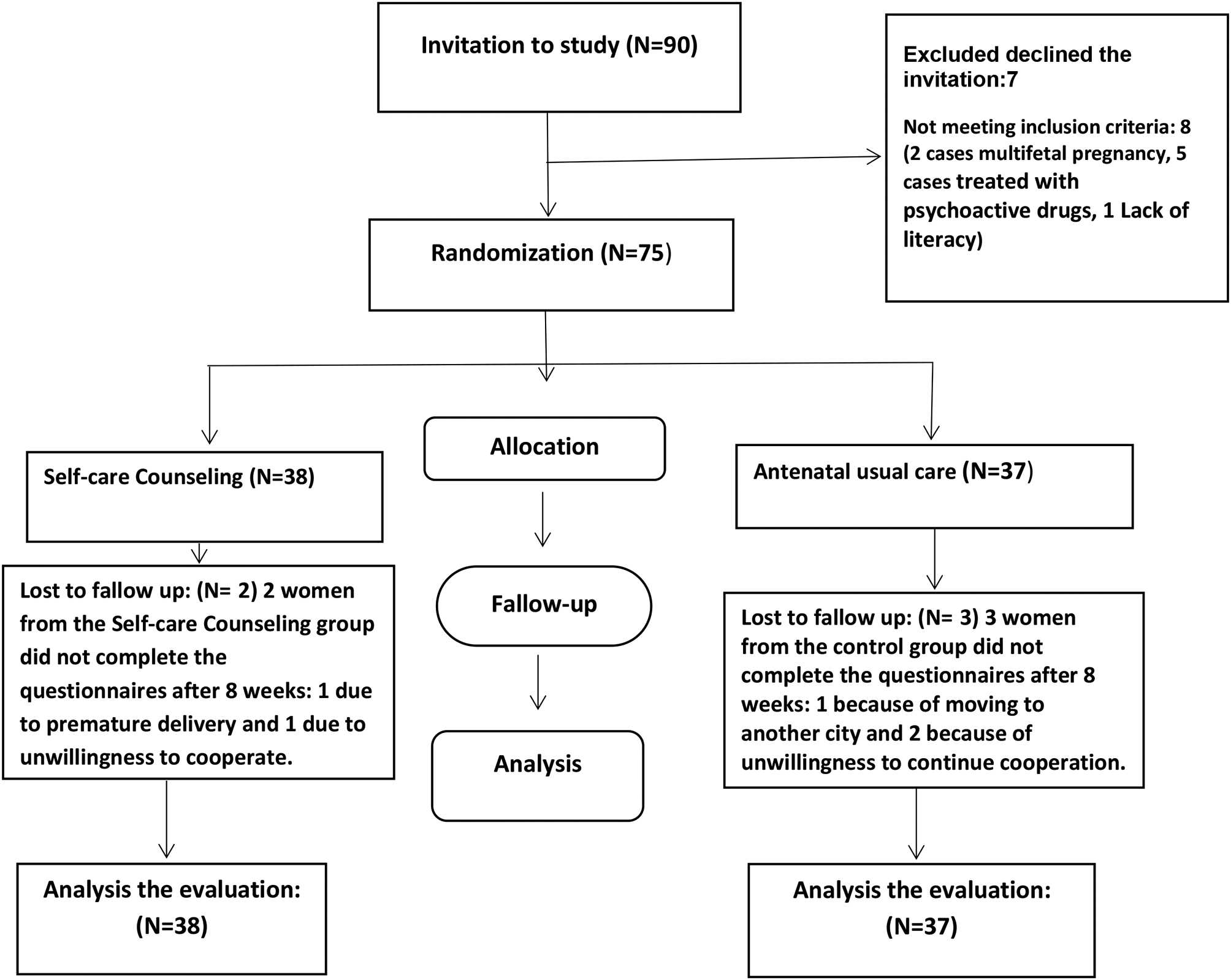

In this randomized controlled trial, participants included pregnant women diagnosed with gestational diabetes, who were divided into two groups: the experimental group and the control group. The experimental group received self-care counseling based on stress management, while the control group only received standard care.
Researchers used tools to assess blood sugar levels, stress management techniques, and the quality of life of participants. These measurements were conducted before and after the counseling period to evaluate the program's impacts.
The results of this study showed that women in the experimental group had a significant reduction in their blood sugar levels. Additionally, their quality of life and sense of satisfaction improved. Researchers found that stress management counseling can help reduce stress and anxiety in pregnant women, leading to better blood sugar control.
Given that stress can negatively affect blood sugar management, considering mental health alongside physical health is crucial. Pregnant women who experience less stress and anxiety generally cope better with the challenges of gestational diabetes.
Based on the findings of this study, the researchers suggest that similar programs could be considered as part of the standard treatment for women with gestational diabetes. This study not only highlights the importance of psychological counseling and self-care education but also represents a significant step toward improving the quality of life for pregnant women with gestational diabetes.
Researchers hope that this study can facilitate health and treatment policies concerning gestational diabetes.

Follow the Topic
-
BMC Pregnancy and Childbirth
This is an open access, peer-reviewed journal that considers articles on all aspects of pregnancy and childbirth. It welcomes submissions on the biomedical aspects of pregnancy, breastfeeding, labor, maternal health, maternity care, trends and sociological aspects of pregnancy and childbirth.

Related Collections
With Collections, you can get published faster and increase your visibility.
Non-obstetric emergency surgery in pregnant patients
Non-obstetric surgery in pregnant patients presents unique challenges and considerations that are often not well understood within the healthcare community. As pregnancy can complicate both the diagnosis and management of surgical conditions, understanding the implications of various surgical interventions on maternal and fetal outcomes is crucial. Improved understanding of the physiological changes during pregnancy has led to better risk assessment and management strategies, ultimately supporting more informed decision-making. Continued research can provide more robust, individualized care allowing for more nuanced approaches when addressing the needs of pregnant patients facing surgical interventions.
The Collection invites researchers and clinicians in fields including maternal-fetal medicine, obstetrics, orthopedics, and anesthesiology to contribute research that explores topics including, but not limited to, the management of non-obstetrical surgical emergencies, including appendicitis and cholecystitis, and the safety of anesthesia during pregnancy.
This Collection supports and amplifies research related to SDG 3: Good Health & Well-Being & SDG 5: Gender Equality.
All manuscripts submitted to this journal, including those submitted to collections and special issues, are assessed in line with our editorial policies and the journal’s peer review process. Reviewers and editors are required to declare competing interests and can be excluded from the peer review process if a competing interest exists.
Publishing Model: Open Access
Deadline: Oct 27, 2026
Biomarkers for predicting pregnancy complications
The identification of biomarkers for predicting pregnancy complications is an area of growing interest and importance in maternal-fetal medicine. Pregnancy is a dynamic physiological process, the emergence of conditions such as preeclampsia and gestational diabetes highlights the need for reliable and sensitive biomarkers that can be monitored throughout gestation. Altered angiogenic biomarkers indicate placental dysfunction, particularly in relation to pregnancy-related hypertensive disorders, and their implementation into clinical practice has the potential to significantly reduce the considerable burden of morbidity and mortality associated with adverse pregnancy outcomes as a consequence of angiogenic-placental syndrome.
The Collection invites researchers and clinicians in fields including obstetrics, maternal-fetal medicine, neonatology, endocrinology, immunology, and genetics to contribute research that explores topics including, but not limited to, biomarkers for preeclampsia detection, angiogenic markers in pregnancy complications, early indicators for hypertensive disorders in pregnancy, and integrating biomarkers into prenatal care.
All manuscripts submitted to this journal, including those submitted to collections and special issues, are assessed in line with our editorial policies and the journal’s peer review process. Reviewers and editors are required to declare competing interests and can be excluded from the peer review process if a competing interest exists.
This Collection supports and amplifies research related to SDG 3: Good Health & Well-Being.
Publishing Model: Open Access
Deadline: Dec 28, 2026