Fishing for knowledge in the Central Arctic Ocean
Published in Earth & Environment

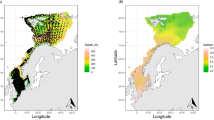

It is well known that fish are found in the warmer Atlantic Water inflow along the slope north of Svalbard. If fish are present we would expect to find them in the mesopelagic layer - a layer of relatively warm Atlantic Water found between 250-500 m – where we know there are zooplankton. Previous expeditions have suggested that fish might occur in this layer, but very few individuals have actually been caught. Our hypothesis was that fish abundance would be very low in the pelagic zone of the deep CAO, although not zero. To test this, we undertook a fishing expedition to an area where we could only expect marginal catches.
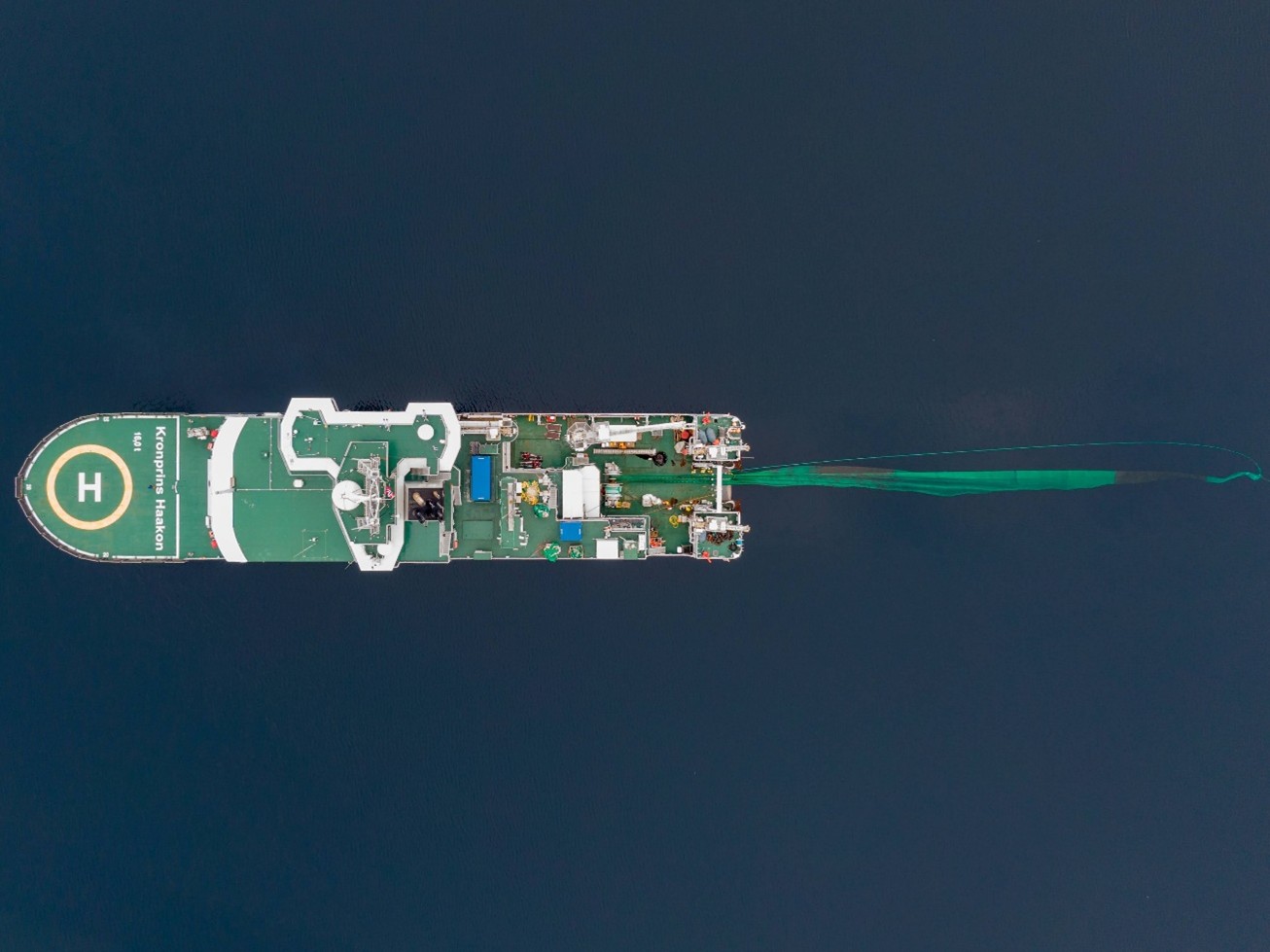
Fig. 1. RV Kronprins Haakon trawling with pelagic trawl in open water over the shelf slope north of Svalbard. Photo: Vegard Stürzinger
Hydrography as backbone for our marine ecological surveys in icy waters
The CAO is changing rapidly due to climate warming and shifting from ice-covered to more open water in summer. We used the Norwegian Polar Institute’s research icebreaker RV Kronprins Haakon during expeditions to the Arctic Ocean in late summer 2022 and 2023. The backbone for such investigations is proper characterization of water masses, which is made possible by frequent collections of temperature and salinity profiles. Hydrographic measurements showed that in the upper 100 m, relatively warm Atlantic Water (2 °C) along the shelf slope transitioned to cold polar waters (< -1 °C) in the CAO north of 82° N. In contrast, at 200-250 m depth, the warm Atlantic core extended farther north, reaching 84.3° N. Thus, hydrographic data verified how far the influence of the Atlantic inflow reached into the Nansen Basin.
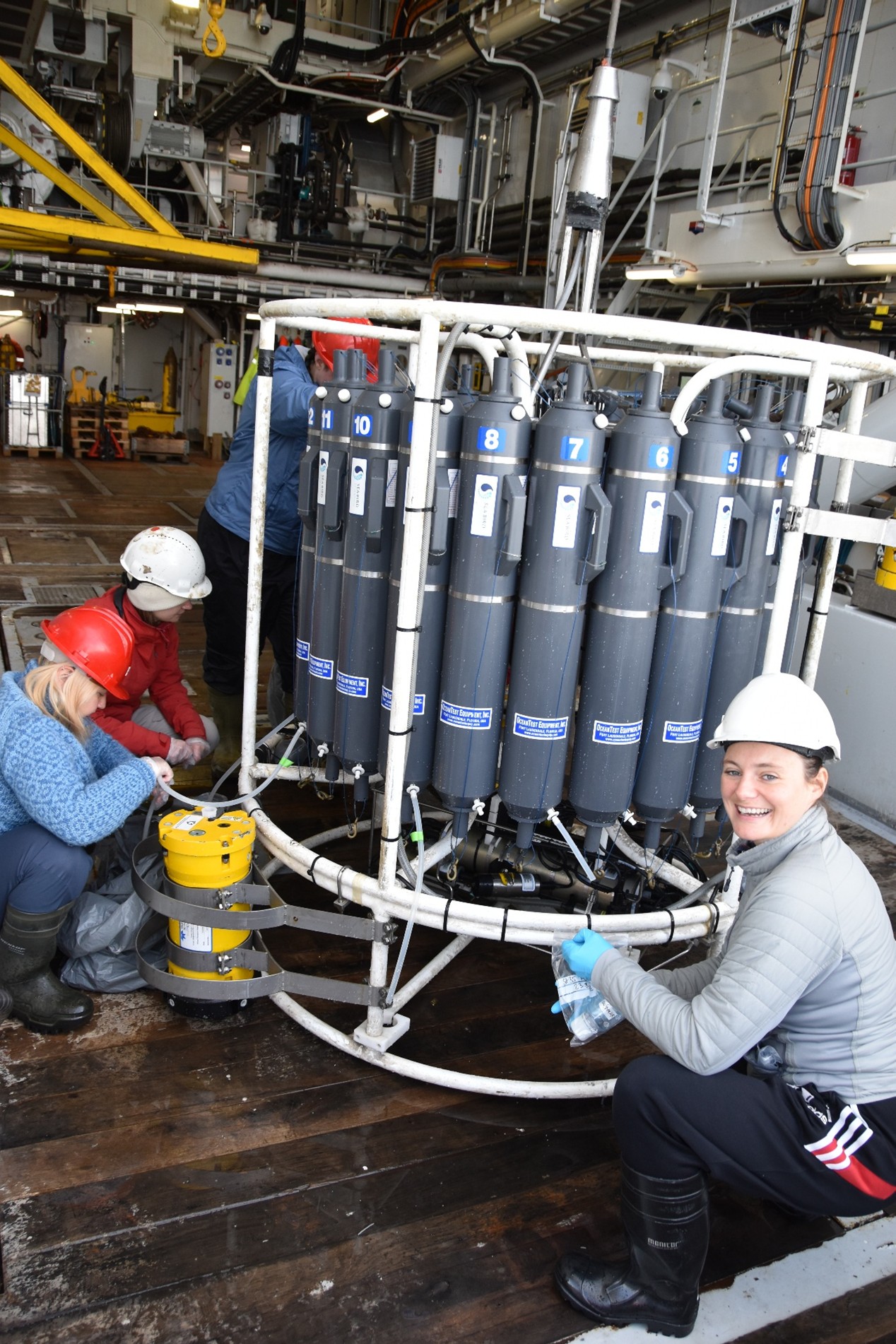
Fig. 2. Seabird SBE911plus Conductivity-Temperature-Depth (CTD) system, used to record salinity and temperature in water masses. The rosette of 24 bottles provides water samples from different depths. Photo: Haakon Hop
Portals through which to unravel the secrets of the deep
RV Kronprins Haakon is equipped with state-of-the-art fisheries echosounders, which run continuously and indicate of what kinds of fish occur at different depths. To be certain that we interpreted the echosounder results correctly, we needed to actually catch some!
To trawl in the CAO, we needed to find leads of open water between ice floes that were long enough for us to deploy our pelagic trawl. We used a modified Harstad trawl that quickly sank safely beneath the ice and could quickly be recovered at the far end of the lead - before the ‘runway’ ended in solid ice. During the expeditions, we kept a close eye on the echosounder and always had the gear ready to be deployed when approaching leads large enough to trawl in. The sea-ice cover in 2022 was so open that it was relatively easy to find suitable leads – even close to the North Pole.
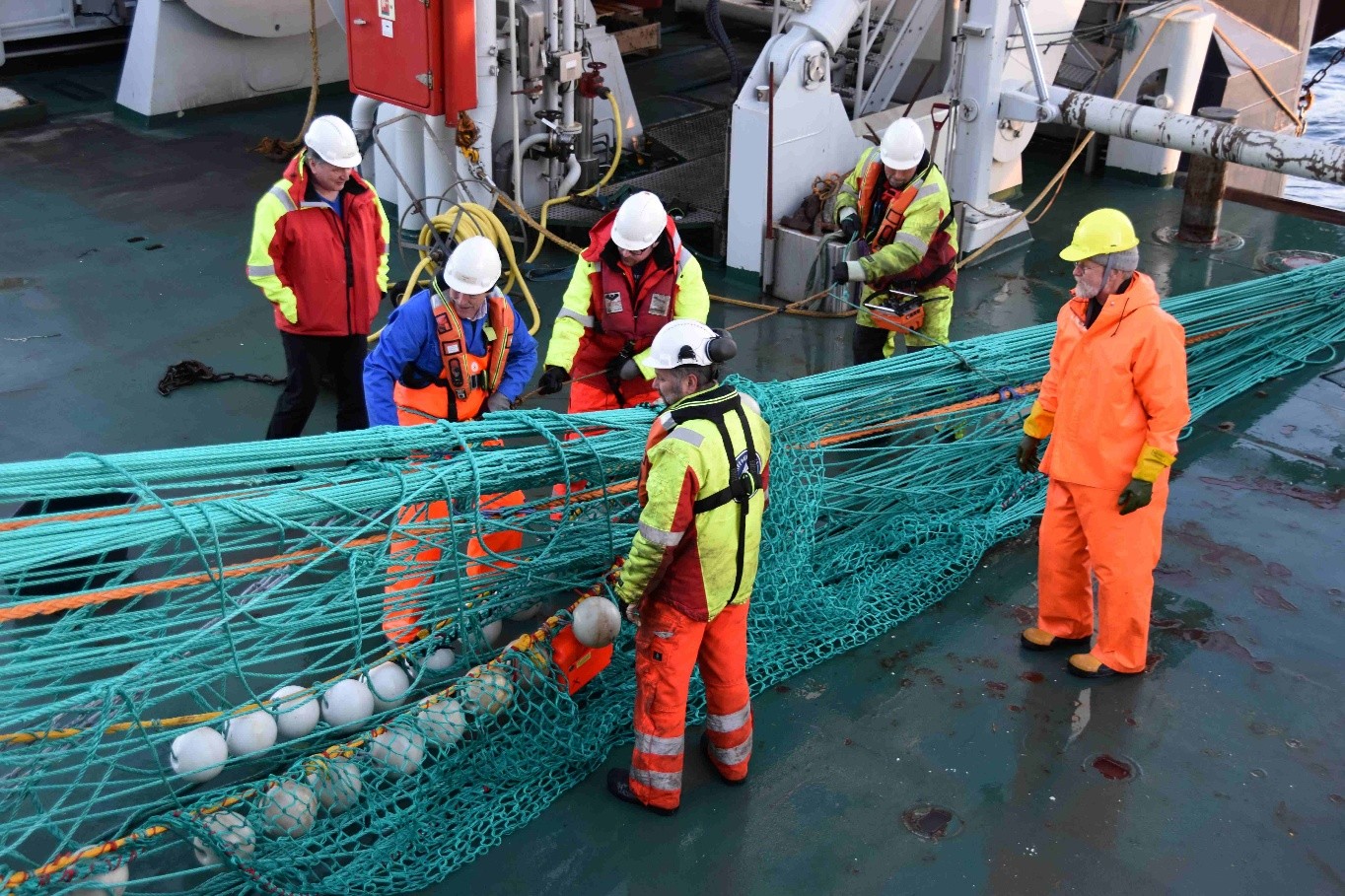
Fig. 3. Checking the pelagic trawl as it is hauled in on deck. Photo: Vegard Stürzinger
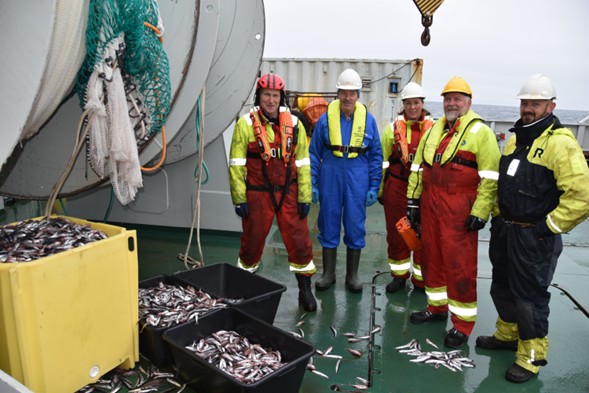
Fig. 4. Capelin (Mallotus villosus) were abundant over the shelf slope north to 82.16° N. Photo: Vegard Stürzinger.
Trawl catches were sorted and processed in the onboard labs. Species, lengths and weights were recorded and samples were taken for genetics, stomach contents and stable isotopes to determine trophic levels. Even if the catches were relatively small, this took hours of dedicated work and was sometimes just completed by the time the next catch came on board.
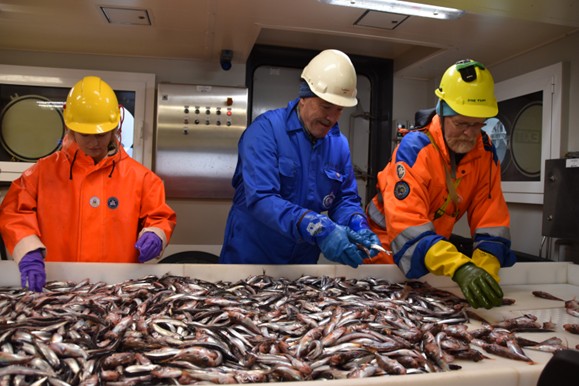
Fig. 5. Catches of juvenile fishes were sorted the fish lab. Photo: Vegar Stürzinger
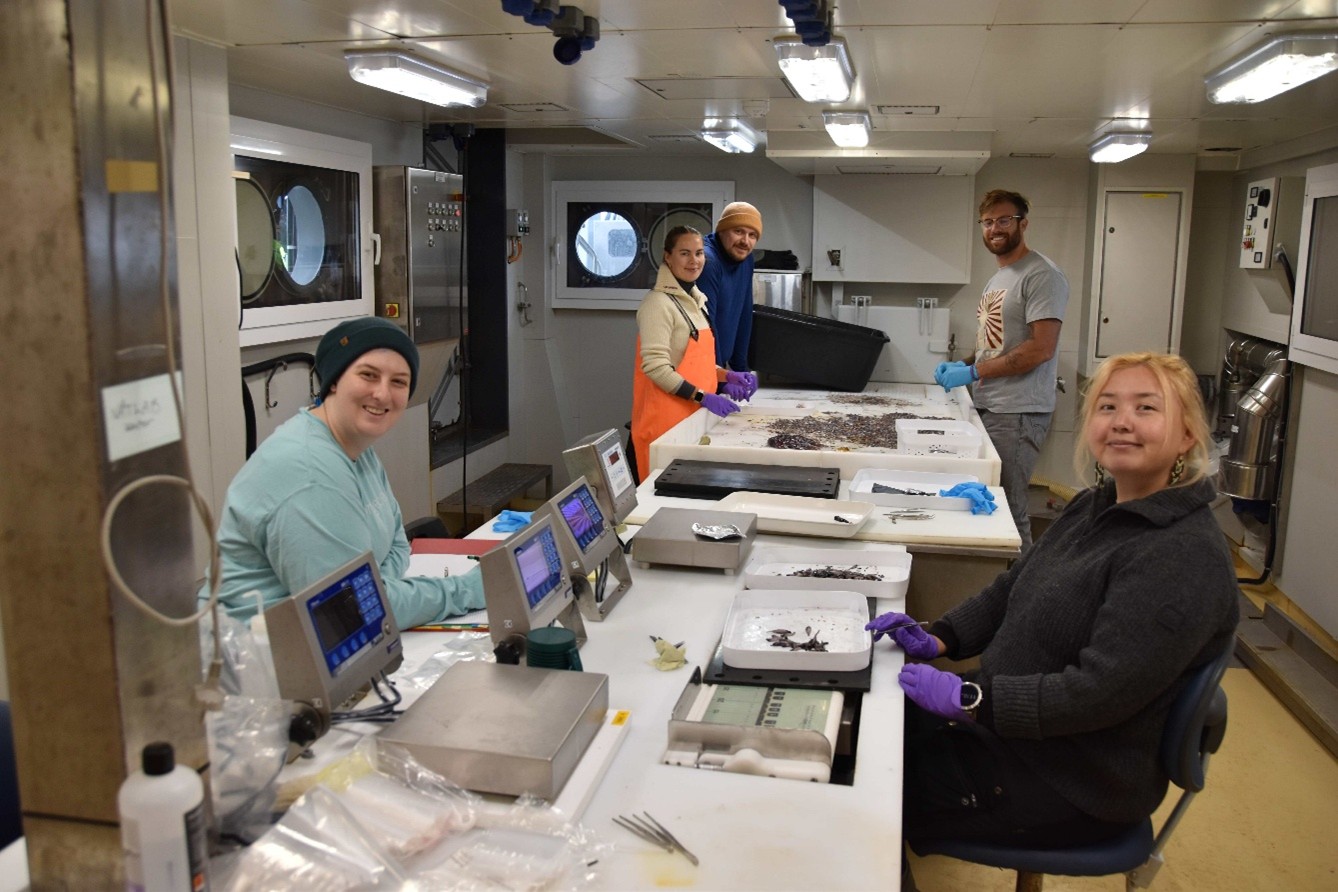
Fig. 6. Identifying, measuring and weighing fishes in the fish lab. Photo: Haakon Hop
Commercial fish species are only found in the warm Atlantic inflow
Most of the fish were caught in Atlantic Water near the Svalbard shelf slope, where warm water advected from the south flows northward and then east along the slope. Some pelagic boreal fish species are expected to expand farther north as waters warm. This was most apparent for capelin (Mallotus villosus) which was abundantly present in the vicinity of the slope, with different life stages from larvae to adults. In Arctic waters, this species may compete with the endemic polar cod (Boreogadus saida) for pelagic zooplankton, such as copepods and amphipods. We also caught some larger cod near the shelf slope, which are known to feed on capelin, but this is not a species that traditionally inhabit the Arctic Ocean. Other fish species such as the beaked redfish (Sebastes mentella) and Greenland halibut (Reinhardtius hippoglossoides) were represented by juveniles. Lantern fishes, including the rakery lanternfish (Lampanyctus macdonaldi) and glacier lantern fish (Benthosema glaciale), were associated with the mesopelagic layer, but only occurred at low abundance even by the shelf slope.
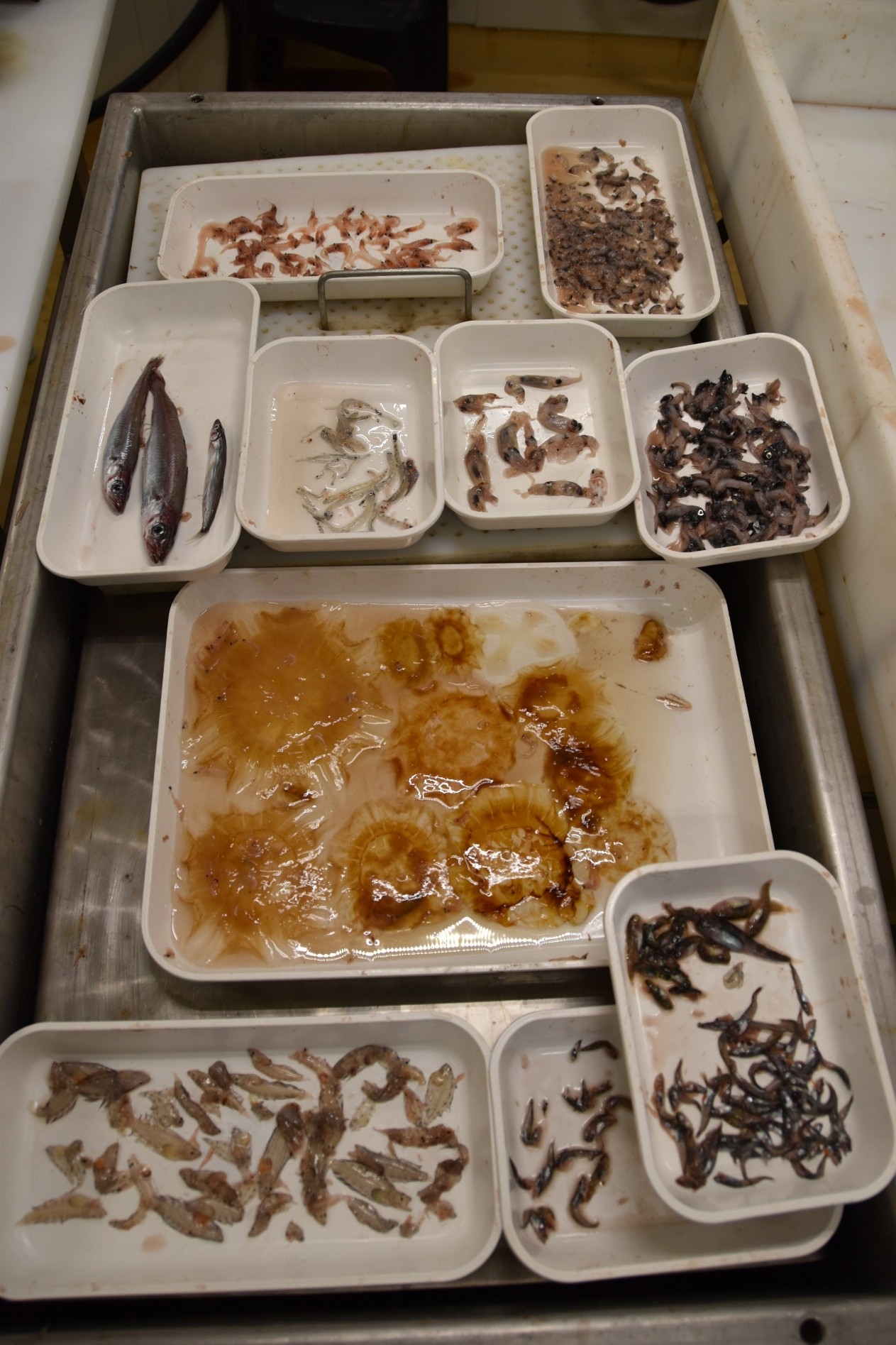
Fig. 7. A variety of juvenile fishes and zooplankton were caught in pelagic trawl hauls over the shelf slope, including squid, Themisto amphipods, krill, juvenile benthic and pelagic fishes, mesopelagic fishes, and jelly plankton. Photo: Haakon Hop
What lurks in the mesopelagic zone?
In the deep CAO basins north of 82° N pelagic fishes were absent from our trawl catches and hydroacoustic records. This corresponded with the transition from Atlantic to cold polar water over the deep Nansen Basin. Zooplankton, including amphipods, krill, jellyplankton and a few squid were present together with some large (up to 10 cm) arrow worms (chaetognaths). Farther north in the Amundsen Basin, the abundance of these species was further reduced and the pelagic zone in the CAO appeared barren on the hydroacoustic records. Zooplankton communities showed an order of magnitude lower biomass in the basins than along the shelf slope.
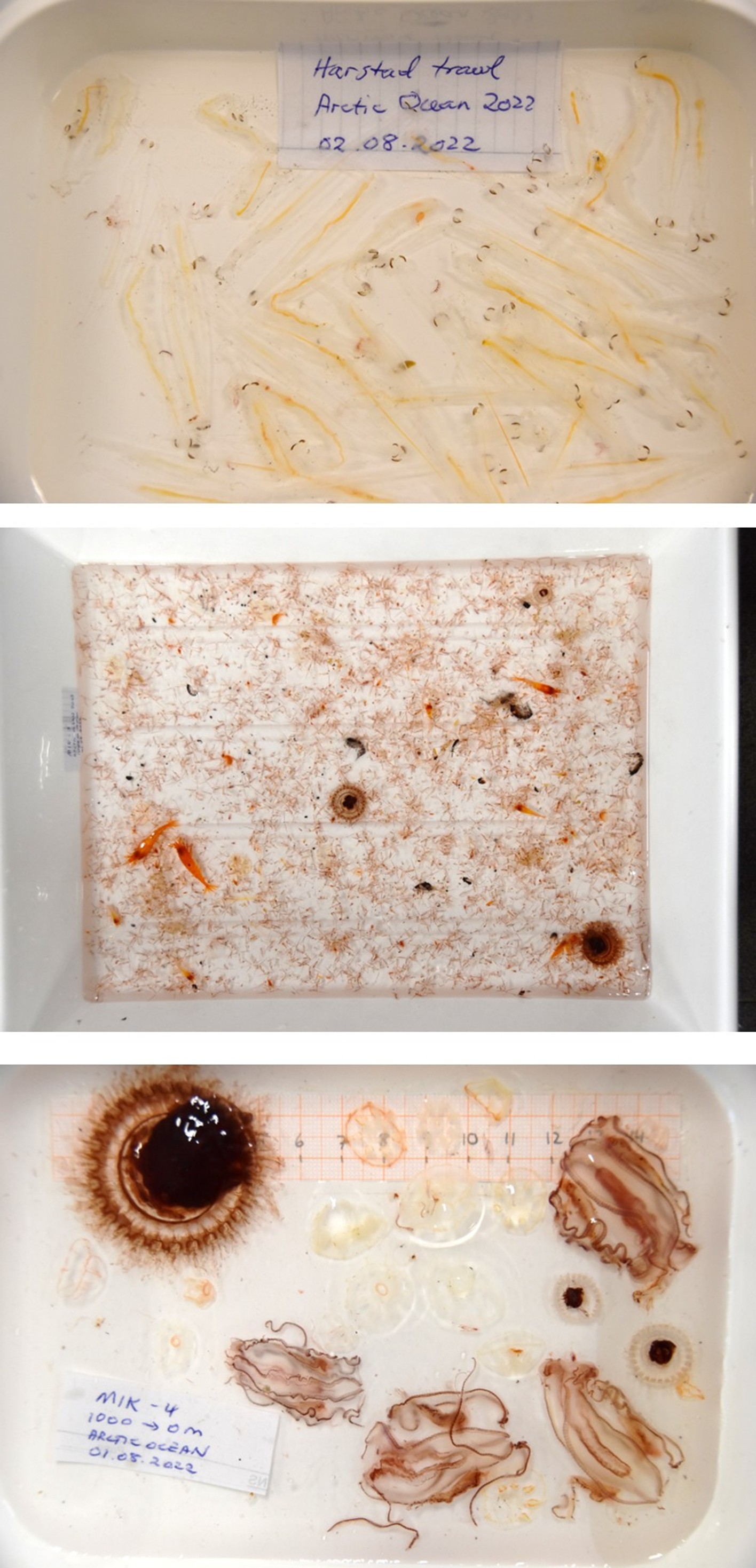
Fig. 8. In the Central Arctic Ocean, pelagic trawl catches only included arrow worms (top), large Calanus copepods, deep-water shrimp, medusas, and ctenophores. Photo: Haakon Hop
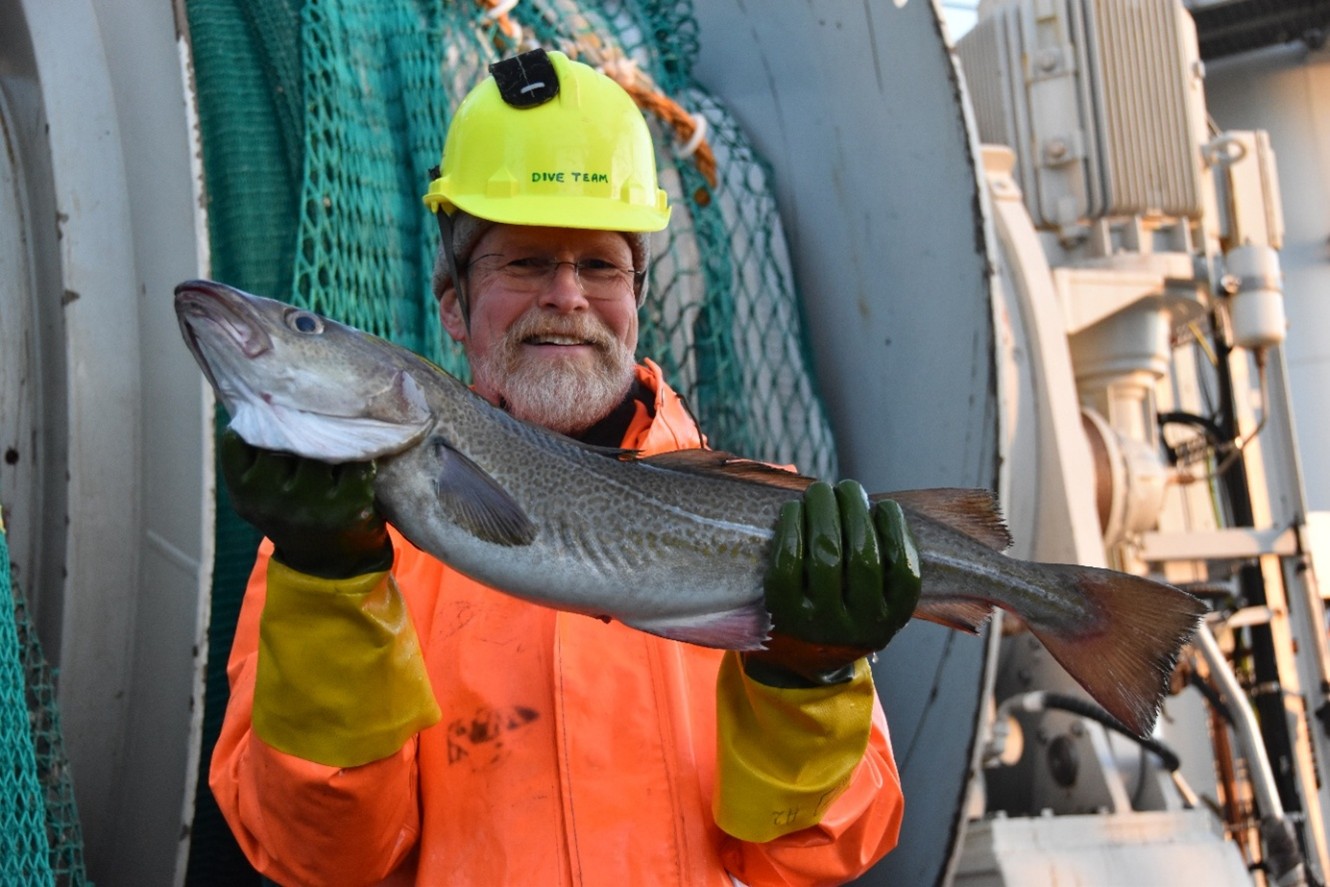
Fig. 9. Large Atlantic cod (Gadus morhua) were caught on the shelf slope, where they were feeding on capelin. Photo: Vegard Stürzinger
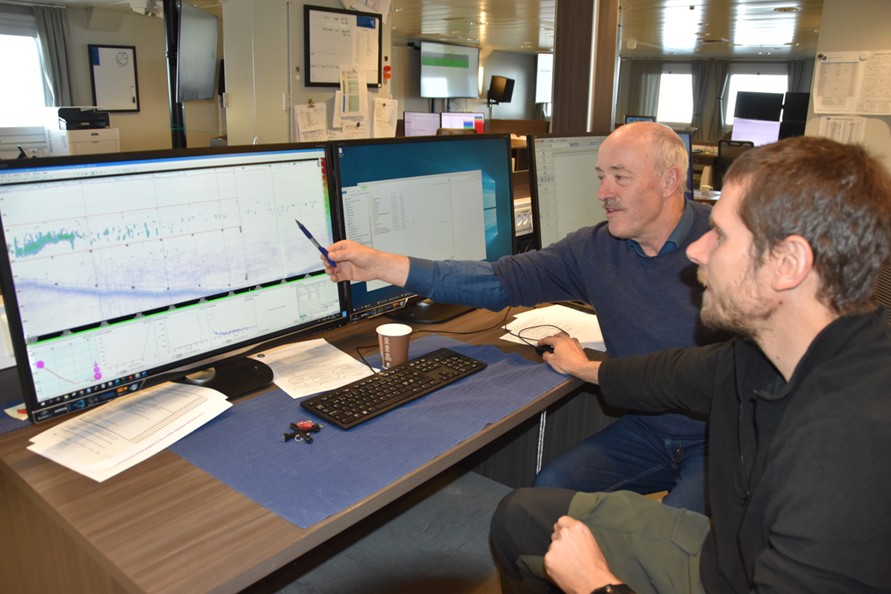
Fig. 10. Hydroacoustic recordings by EK-60 were interpreted on board and post-processed in the Large-Scale Survey System (LSSS). Photo: Haakon Hop
The polar bear and seal puzzle with missing pieces
Even though pelagic production was limited, we observed polar bears (Ursus maritimus) with cubs and ringed seals (Pusa hispida) on sea ice in the CAO, even at the North Pole. The polar cod, which is a small (<30 cm) Arctic gadoid, is associated with sea ice and typically resides in cavities in the ice. Polar cod were observed when the ship broke ice and flushed them out of the water wedges. With little pelagic food available, polar bear and seals in the CAO likely rely on the ice-associated food web, which includes polar cod and ice amphipods. However, reductions in sea ice are expected to further diminish such ice-associated food sources.
Anthropogenic pressures and protection concerns
An unusual experience was to trail the expedition cruise vessel Le Commandant Charcot northward during the 2022 expedition to the North Pole, based on a prior agreement. This saved fuel and made it possible for us to reach the North Pole in four days of steaming from the Svalbard shelf. On the return transects west and south, we had to break our own way through relatively thick ice in the most northern part and then thinner and less consolidated ice in the marginal ice zone.
In 2021, the CAO Fisheries Agreement (CAOFA) was ratified for an initial 15 years with possibility of extension depending on scientific assessment of the ecosystem. This precautionary measure bans commercial fishing in the CAO beyond the Exclusive Economic Zones of the eight Arctic states. In this context, it should be considered whether the CAO Fisheries Agreement CAOFA could be further developed to include a CAO Marine Protected Area (MPA).
Shipping in the Arctic is increasing, and protection plans should be further developed for the CAO, which is expected to receive increased pressures from human activities, such as extraction of resources, new sailing routes in more open water and increased tourism. Many nations are currently building research icebreakers, which will result in more ship-based research but also better data and increased knowledge of the CAO.
Follow the Topic
-
Communications Earth & Environment
An open access journal from Nature Portfolio that publishes high-quality research, reviews and commentary in the Earth, environmental and planetary sciences.
Related Collections
With Collections, you can get published faster and increase your visibility.
Ecological resistance and resilience under global change
Publishing Model: Open Access
Deadline: Apr 07, 2027
Hazards in Mountain Regions
Publishing Model: Open Access
Deadline: Nov 02, 2026