Genetics of Pancreatic Carcinogenesis: Current Molecular Insights from Animal Models
Published in Protocols & Methods
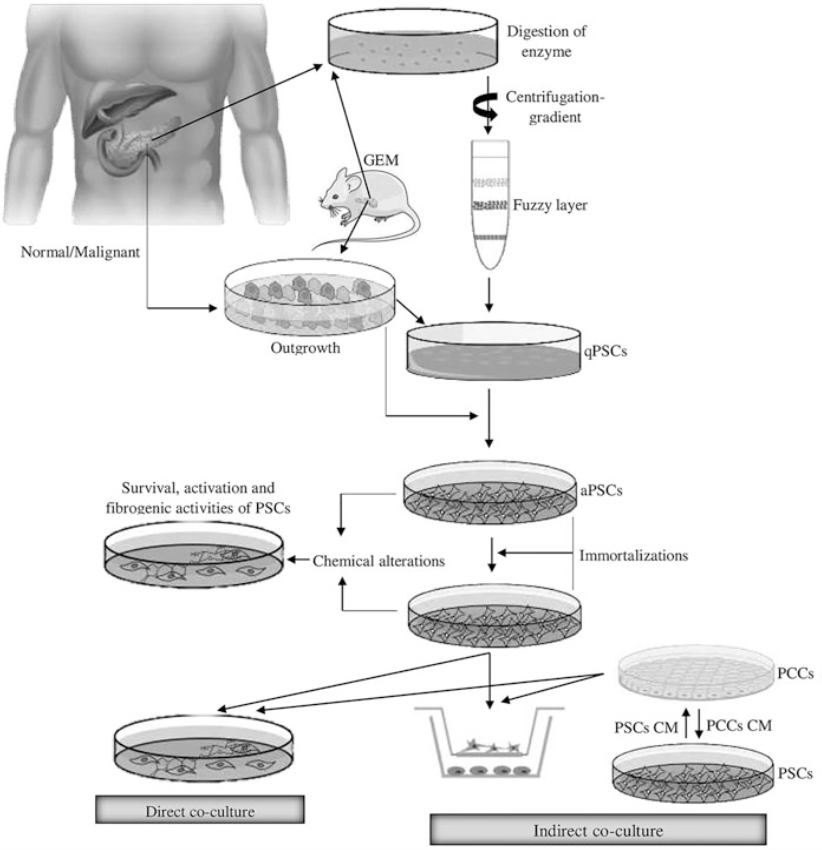


The chapter "Genetics of Pancreatic Carcinogenesis: Current Molecular Insights from Animal Models" uses various animal models to provide a comprehensive overview of how genetic changes contribute to the development and progression of pancreatic cancer, specifically pancreatic ductal adenocarcinoma. It focuses on major genetic alterations such as KRAS, TP53, CDKN2A, and SMAD4, which are often seen in human pancreatic tumors and have been successfully mimicked in genetically modified mice. The chapter describes how these models have helped us better understand the step-by-step evolution from pancreatic intraepithelial neoplasia to invasive cancer. Furthermore, it emphasizes the importance of the tumor microenvironment, inflammatory pathways, and epigenetic alterations in carcinogenesis. Using these animal models, researchers were able to examine the molecular mechanisms that underpin tumor initiation, development, metastasis, and therapeutic response. Overall, the chapter underlines the importance of animal research in discovering possible biomarkers and therapeutic targets, which will help to create more effective diagnostic and treatment techniques for pancreatic cancer.