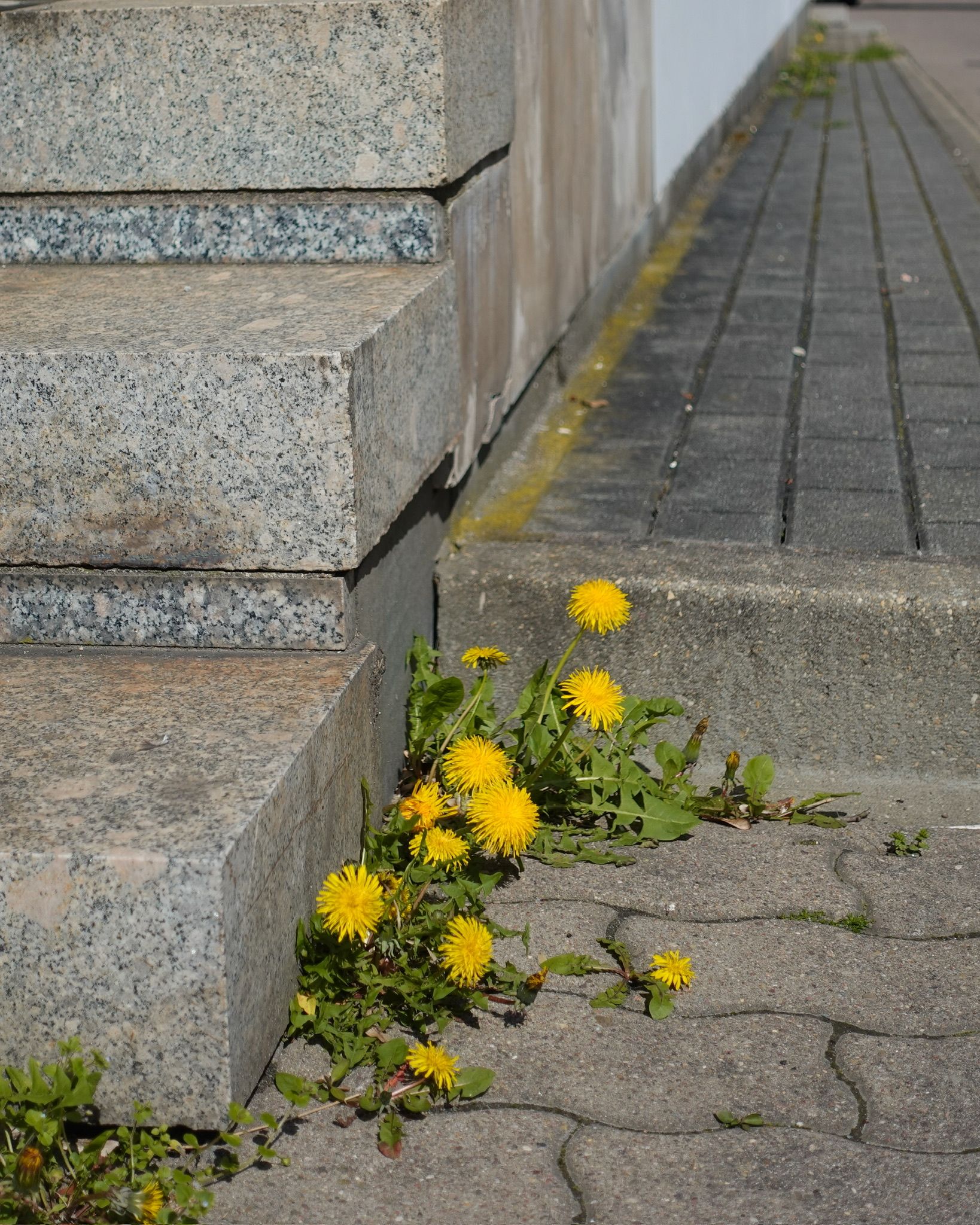
Taraxacum officinale growing despite the concrete and constraints of the urban environment. © Flora Incognita, CC BY 4.0
How Crowd-Sensed Plants Decode the Hidden Environmental Patterns of European Cities
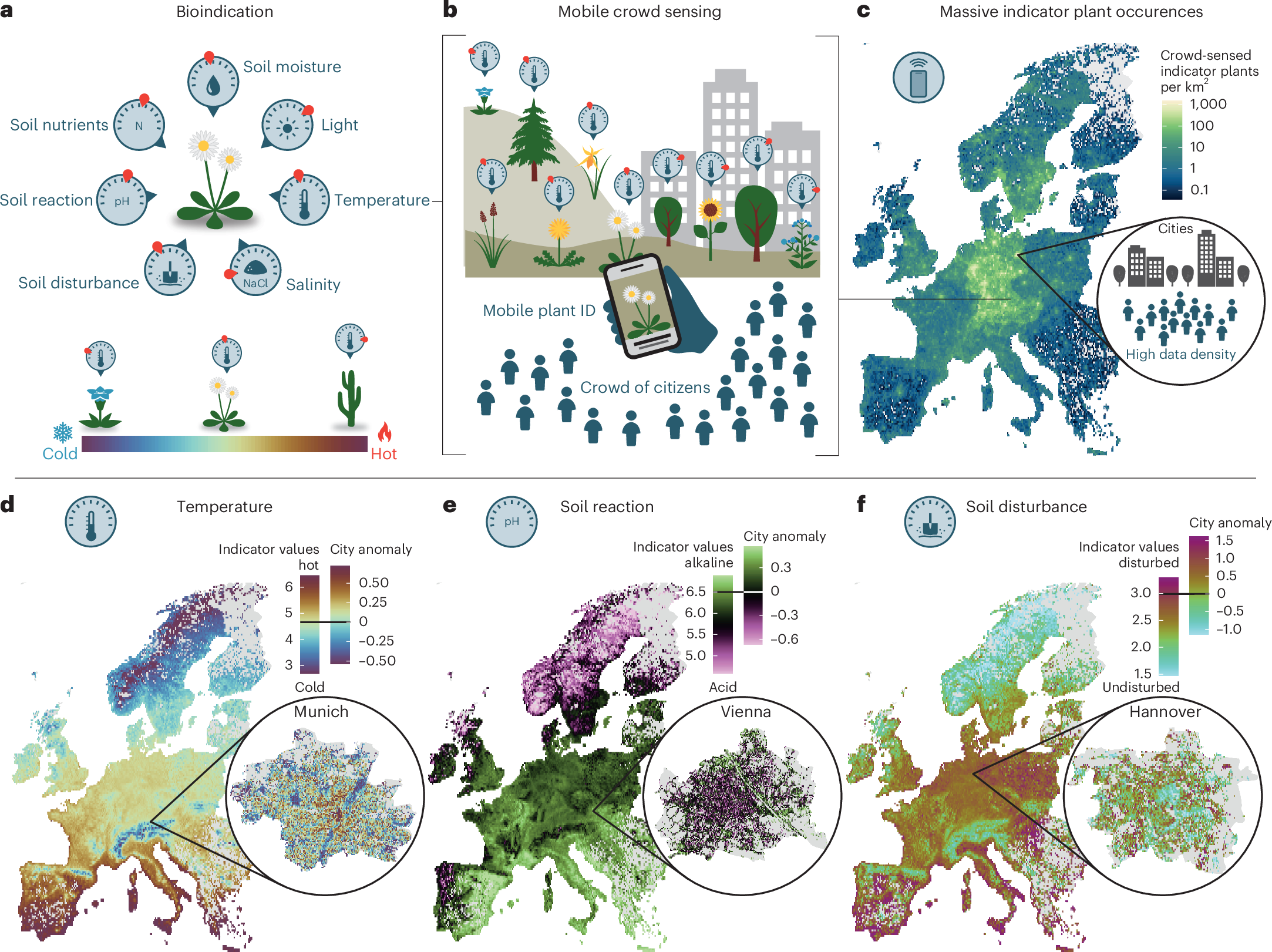
Plants are living sensors. Using over 80 million citizen-recorded plant observations from 326 European cities, we reveal how crowd-sensed plants map fine-scale urban climate and soil patterns— exposing hidden mosaics of moisture, reaction, salt, disturbance etc. beyond the urban heat island.
Published in Earth & Environment, Ecology & Evolution, and Sustainability
The project began with curiosity. Joining the Flora Incognita team from functional macroecology, I explored whether cutting-edge citizen-science plant observations could be combined with decades-old ecological theory that treats plants as “living sensors”—opening a new paradigm for environmental sensing. To our surprise, it worked remarkably well.
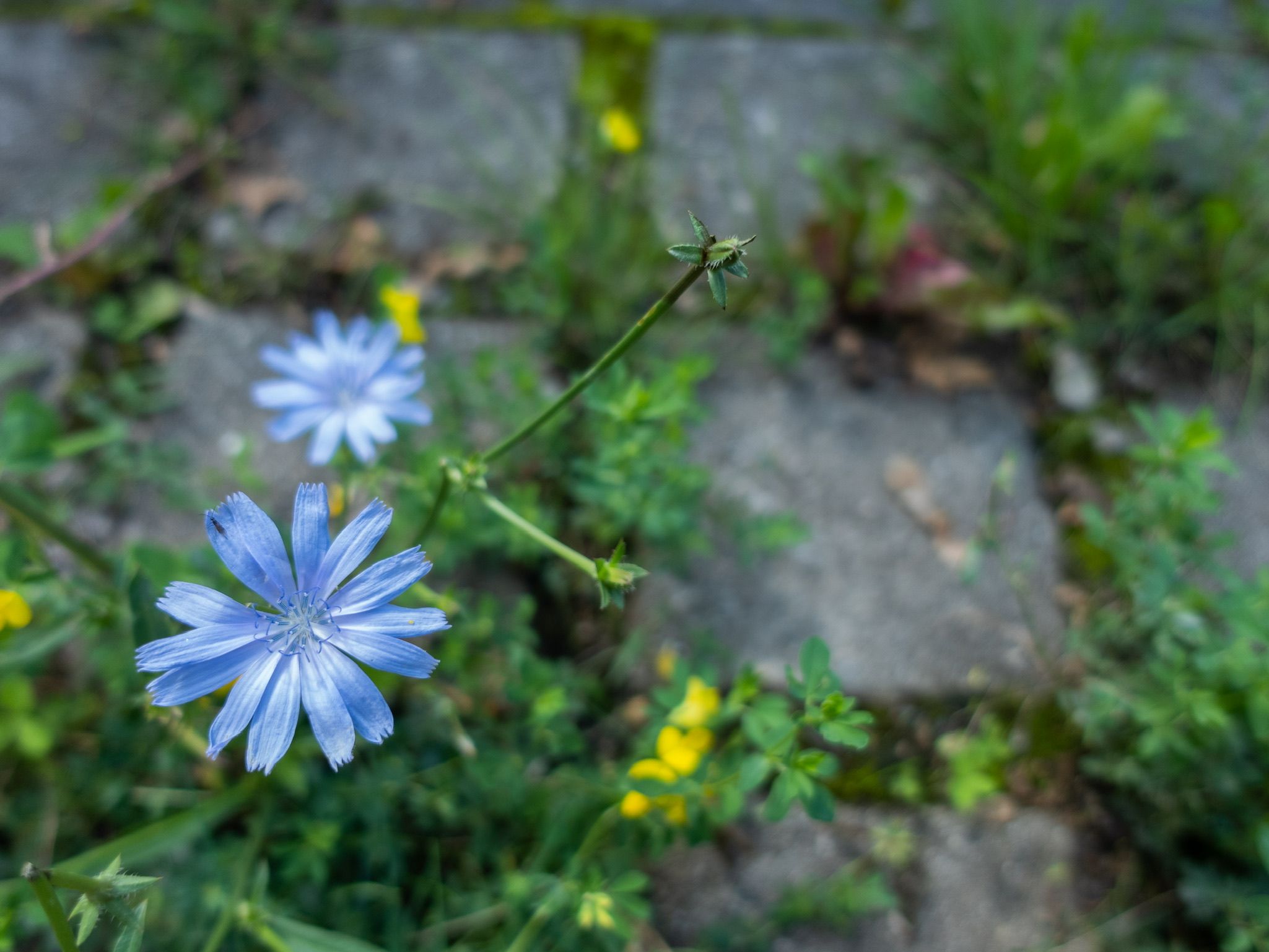
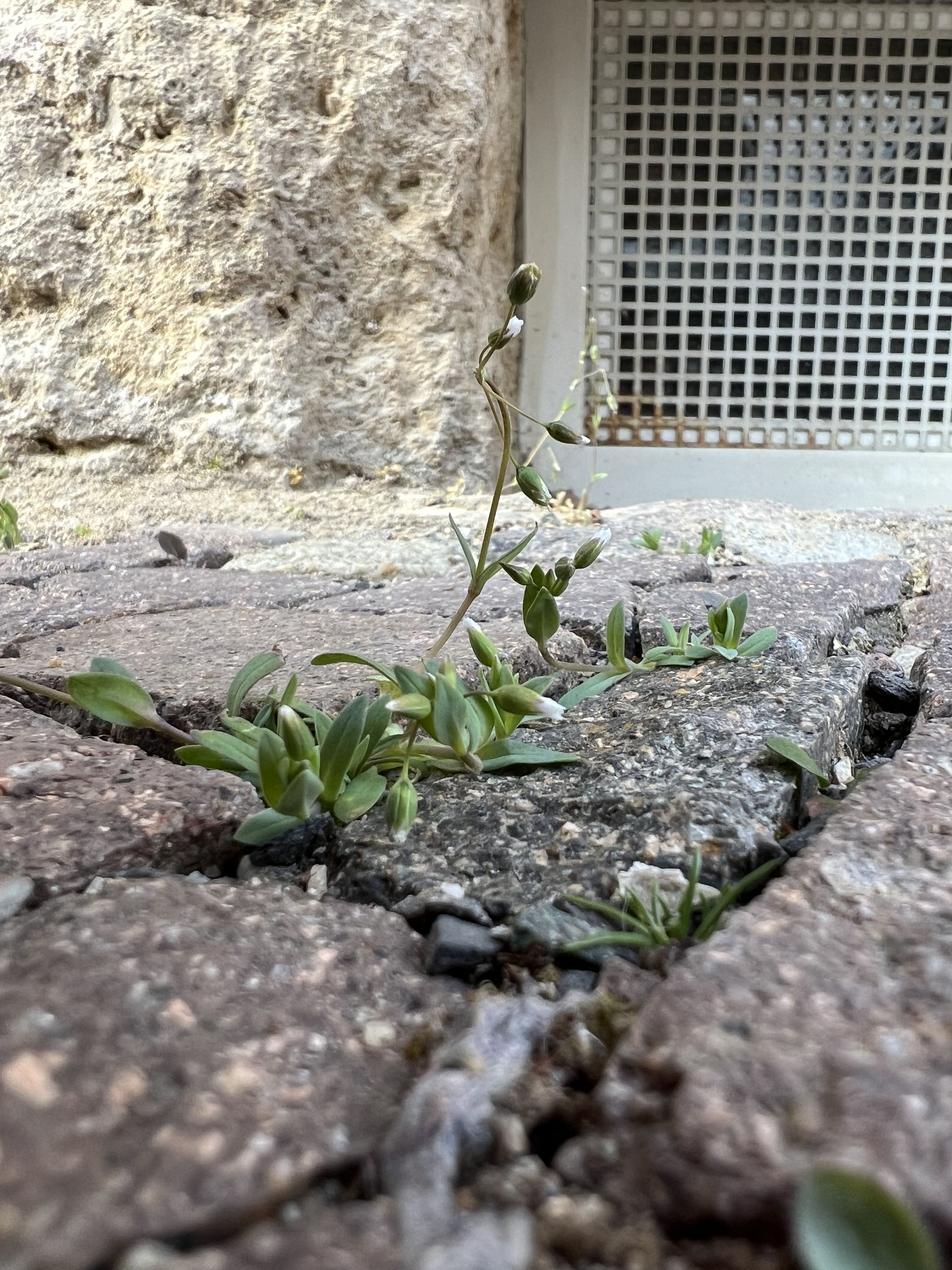
We explored different spatial extents—from Europe to Jena, a small city where we work and live—resolutions, and environmental factors. The emerging maps were so coherent they felt uncanny. Soon, it became clear this approach could do much more than expected. Cities were the perfect setting: citizens generate far more plant observations than in rural areas, yet traditional environmental sensing—satellite imagery, in-situ measurements, soil sampling—struggles in dense, heterogeneous, dynamic urban landscapes. Even next to concrete and asphalt, plants quietly record what we rarely notice—how warm or cool, dry or damp, salty or alkaline, calm or disturbed their surroundings are. Ecological indicator values—an expert-based system for translating plant occurrences into environmental conditions—have only recently been harmonized across Europe, unlocking their potential at large spatial scales.
Using plants as “living sensors” revealed what had long been hidden. For me, it was a chance to finally explore a long-standing fascination with urban ecology through the lens of citizen science and classical ecological knowledge. Our author team grew across disciplines—including botany, macroecology, soil science, computer vision, citizen science, and remote sensing — each perspective sharpening what the data revealed: plants observed by people could map cities in a new way.
Urban Environments – A Blind Spot?
Urbanization is one of the defining challenges of our century. By 2050, nearly 70% of people are expected to live in cities, reshaping environmental conditions in ways that affect ecosystems and human well-being. Beyond the urban heat island, it was unclear whether variations in moisture, light, soil salinity, pH, nutrients, and disturbance followed systematic patterns across and within cities—making it difficult to fully understand ecosystem function, risks, or guide mitigation. Traditional monitoring, from satellites to in-situ networks, struggles to capture this fine-scale complexity, with soils remaining a particularly elusive piece of the puzzle. Cities demand a different way of sensing their environments.
Turning Citizens and Plants into Sensors
As a potential solution, we explored an unexpected combination: millions of citizens encounter their environments daily, and with automated plant identification, they can record the plants around them. These observations act as “living sensors,” allowing us to infer fine-scale patterns of local climate and soil conditions based on species’ ecological preferences—a method we call mobile crowd-sensing of environments.
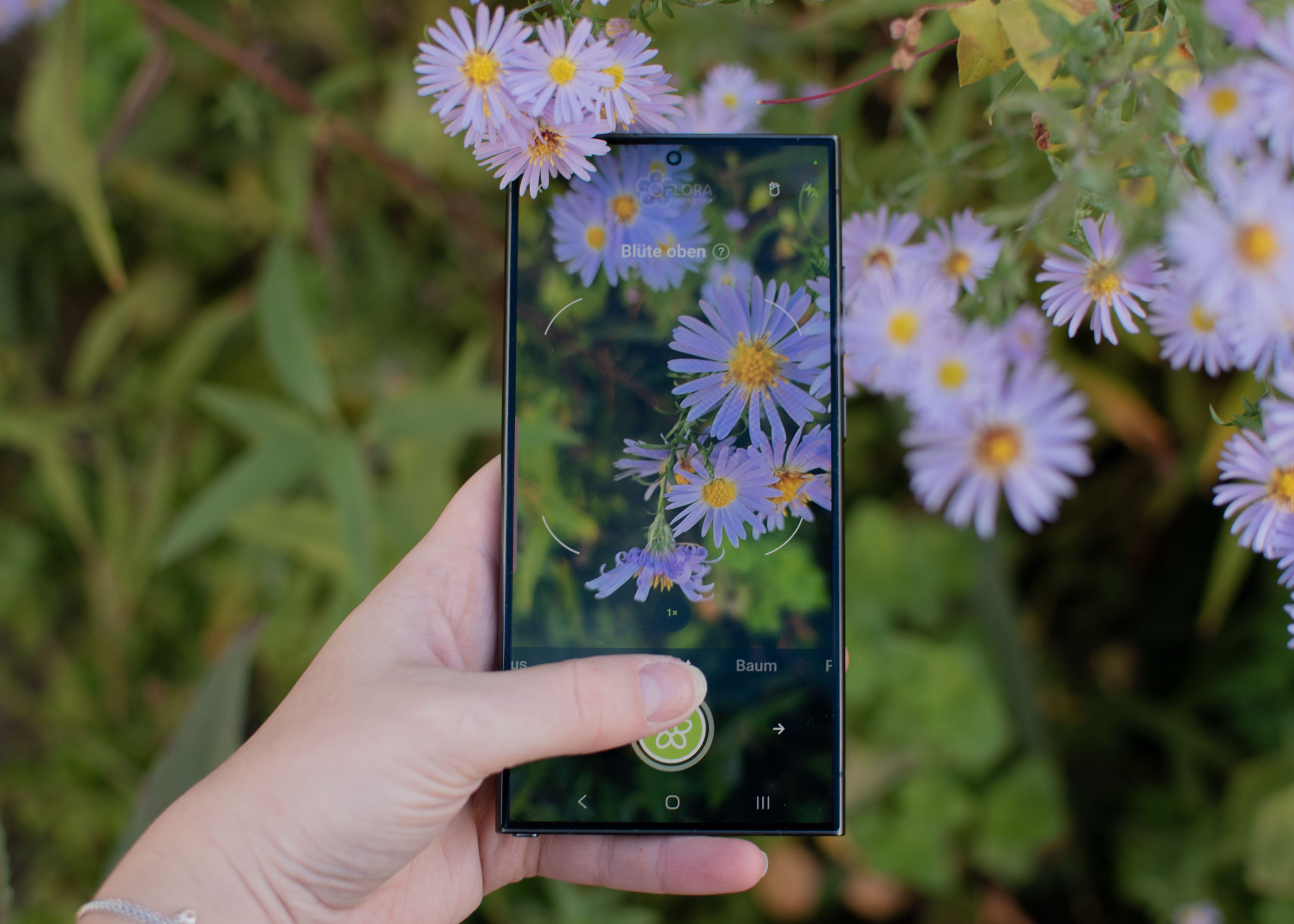
Automated plant identification tools, particularly Flora Incognita, played a key role. By enabling rapid, accurate recognition of thousands of species, these tools turn ordinary citizens into effective environmental observers, greatly expanding the spatial and temporal coverage of urban plant data.
Over 80 million observations from 326 European cities provided the foundation for this approach. Rather than measuring conditions with instruments, we read the environmental story encoded in plants across streets, gardens, parks, and forests—revealing a mosaic hard to capture by traditional sensors or satellites.
Plants tell a story about their environments. Citizens make those stories visible, forming a dense network that senses urban climate and soils.
Beyond the Urban Heat Island
The urban heat island is only part of the picture. Strong contrasts exist between built-up and green areas—not only for temperature, but also for light, moisture, soil salinity, and disturbance. Cities emerge as mosaics of sharp local contrasts. Differences within a single city can be as large as those between cities 1,500–3,000 km apart—highlighting the influence of human activity and urban design.
Built-up areas are hotter, drier, brighter, and more disturbed, with soils more alkaline and salt-loaded than urban green spaces—especially forests.
Local Diversity and Homogenization
While cities show high local environmental diversity, built-up areas often converge on similar climate and soil conditions—a phenomenon called urban environmental homogenization. This emerges naturally from repeated building patterns, materials, and land use, producing comparable microenvironments. Urban forests stand in contrast: they preserve site-specific conditions, maintain environmental diversity across Europe, and locally support ecosystem services such as cooling, moisture retention, and resilience.
Local diversity coexists with large-scale homogenization. Urban forests are critical for maintaining environmental diversity, function, and resilience.
Citizens Mapping Their Cities
This work is made possible not just by plants, but by the people who observe them. Citizens turn daily encounters with urban nature—on sidewalks, in parks, and along streets—into a rich source of insight. More than a method, this approach makes science participatory and democratic, integrating local perspectives into a broader understanding of cities.
Every observation contributes to a collective understanding of urban environments, turning citizen participation into a powerful tool for mapping and interpreting climate and soils.
Lessons Learned from the Urban Flora
Millions of plant observations reveal that cities are mosaics of contrasting environmental conditions shaped by human design and natural processes, systematically corresponding to land use: urban forests and green spaces act as islands of resilience, while built-up areas consistently show hotter, drier conditions with alkaline, salt-loaded, and heavily disturbed soils. Plants—and the citizens observing them—offer more than data. They reveal the environmental fabric of cities, showing where pressures accumulate and opportunities persist. Crowd-sensed plant data can inform planning, guide policy, and support monitoring, helping cities become more livable and resilient.
Citizen-led plant observations make urban environments visible, turning data into participatory democratic knowledge for sustainable planning towards livable cities.
All images © Flora Incognita, CC BY 4.0.
Orig. Article: https://doi.org/10.1038/s44284-025-00378-9

Susanne Tautenhahn
(She/Her)
Researcher, Max Planck Institute for Biogeochemistry
Functional macroecologist interested in urban
environments, investigating biodiversity and
ecosystem dynamics with data-driven modeling
and crowd-sensing innovations.
https://www.bgc-jena.mpg.de/person/121786/2206
Follow the Topic
SDG 11: Sustainable Cities
Research Communities > Community > Sustainability > UN Sustainable Development Goals (SDG) > SDG 11: Sustainable Cities
Urban Ecology
Life Sciences > Biological Sciences > Ecology > Urban Ecology
Ecology
Life Sciences > Biological Sciences > Ecology
Environmental Management
Physical Sciences > Earth and Environmental Sciences > Environmental Sciences > Environmental Management
Soil Science
Physical Sciences > Earth and Environmental Sciences > Environmental Sciences > Soil Science
Plant Ecology
Life Sciences > Biological Sciences > Plant Science > Plant Ecology
-
Nature Cities
This journal aims to deepen and integrate basic and applied understanding of the character and dynamics of cities, including their roles, impacts and influences — past, present and future.