Hydropower reservoirs will lead energy-sector carbon emissions by 2050
Published in Earth & Environment
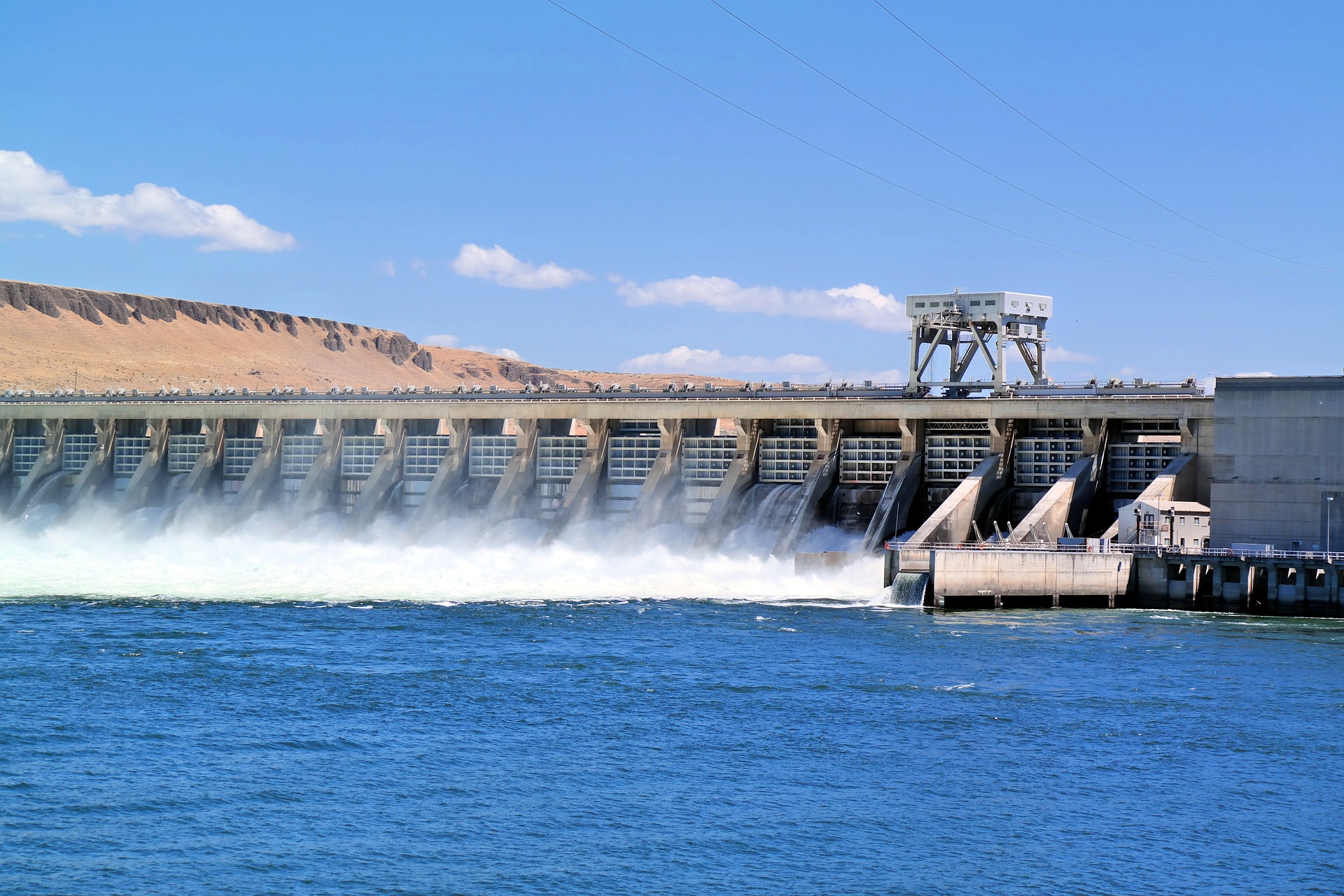
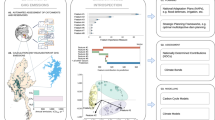

This study applied machine learning models to estimate GHG emissions from both installed and planned hydropower reservoirs worldwide from the 2010s to the 2090s under three climate change scenarios: SSP1–RCP2.6, SSP2–RCP7.0, and SSP5–RCP8.5.
The projected emissions were compared with the IEA net-zero emissions scenario, which incorporates anticipated technological advancements and emission reductions across the energy sector.
Our results illustrated that total GHG emissions from installed and planned hydropower reservoirs could account for around 87% of energy sector emissions by 2050 under the net-zero scenario.
Planned reservoirs are projected to emit approximately 2509 Mt CO2eq yr−1(range: 1401-3514 Mt CO2eq yr−1), while existing reservoirs contribute around 2360 Mt CO2eq yr−1 (range: 1978–4676 Mt CO2eq yr−1). Average GHG emission rates are projected to increase from the 2010s
to the 2060s, driven primarily by rapid growth in CH₄ ebullition. CH4 ebullition is expected to replace CH4 degassing as the dominant emission pathway in North America, Africa, South America, and Europe by the 2010s, 2030s, 2050s, and 2070s, respectively.
Shapley value analysis suggests that increased CH₄ ebullition is closely associated with reservoir ageing effects, potentially driven by the continuous accumulation of organic matter and sediments.
However, reservoir storage capacity may constrain the magnitude of this increase.
Based on these findings, emissions from hydropower reservoirs may offset some of the climate benefits associated with their multifunctional role in climate change mitigation.
Therefore, a comprehensive evaluation framework that accounts for both energy generation and reservoir GHG emissions is essential to support informed decision-making in an increasingly dynamic and challenging future.
Please read our full paper, first authored by Zilin Wang, co-corresponding author and leading the study by Dr Meili Feng, me, and Prof Matt Johnson for the University of Nottingham Geography team in China and UK campuses, and please see our full article here: https://www.nature.com/articles/s43247-026-03982-2

Prof Dr Faith Chan specialises in international water management policies, particularly in sustainable flood management and planning practices, and he is an associate editor of npj Climate Action and Climate Risk Management.
Follow the Topic
-
Communications Earth & Environment
An open access journal from Nature Portfolio that publishes high-quality research, reviews and commentary in the Earth, environmental and planetary sciences.

Related Collections
With Collections, you can get published faster and increase your visibility.
Hazards in Mountain Regions
Publishing Model: Open Access
Deadline: Nov 02, 2026
Carbon Dioxide Removal
Publishing Model: Hybrid
Deadline: Jan 16, 2027