Investigation of Genetic Polymorphism in Autism Spectrum Disorder: a Pathogenesis of the Neurodevelopmental Disorder

Autism spectrum disorders (ASDs) are a set of neurodevelopmental illnesses characterized by three primary behavioral impairments. Limited interests, repetitive activity, and inability to participate in reciprocal social relationships are characteristics of behavioral disorders.
Investigation of Genetic Polymorphism in Autism Spectrum Disorder: a Pathogenesis of the Neurodevelopmental Disorder
Like

Share this post

Choose a social network to share with, or copy the URL to share elsewhere

This is a representation of how your post may appear on social media. The actual post will vary between social networks

Explore the Research

SpringerLink
SpringerLink SpringerLink

Investigation of Genetic Polymorphism in Autism Spectrum Disorder: a Pathogenesis of the Neurodevelopmental Disorder - Advances in Neurodevelopmental Disorders

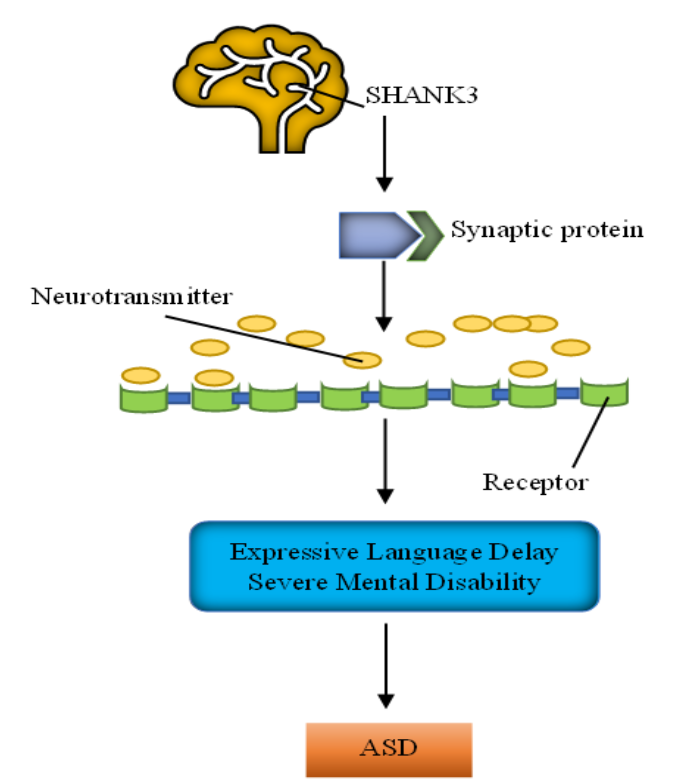
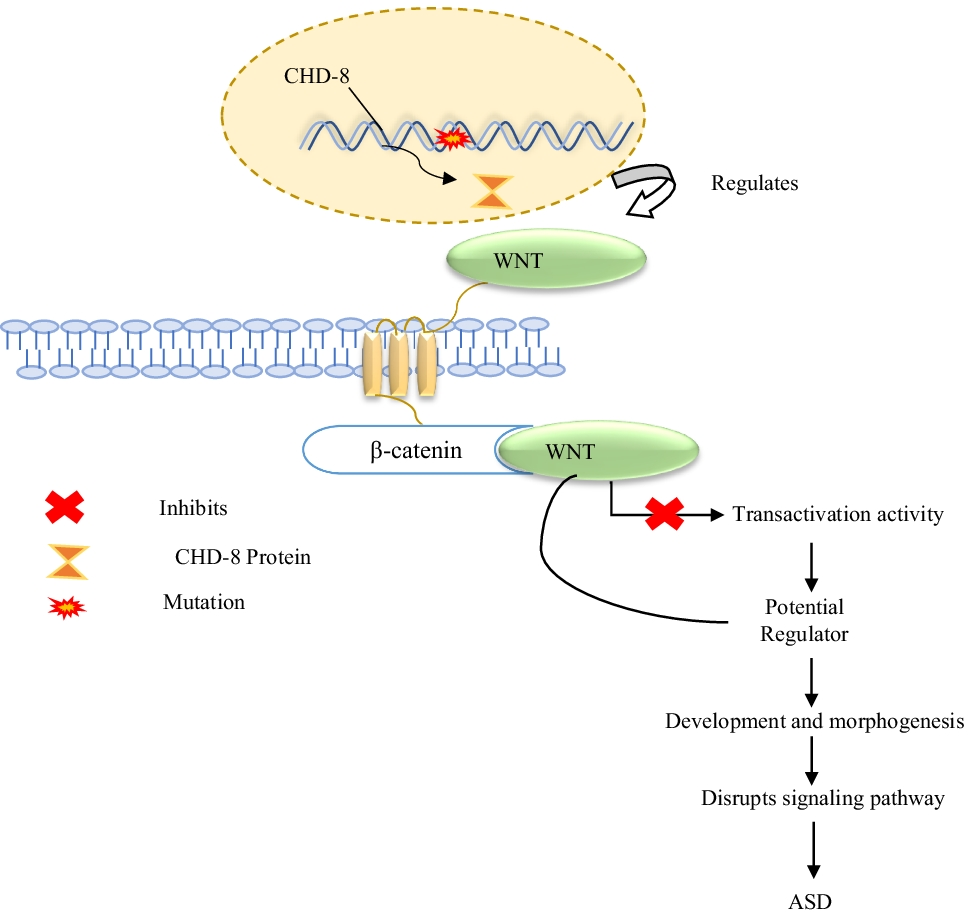
Objectives Autism spectrum disorder (ASD) is a neurodevelopmental condition marked by stereotyped behavior and poor social interaction. Although the etiology of this illness is unknown, research clearly shows that it has a genetic foundation due to complicated inheritance. It affects about 52 million individuals worldwide. Several risk factors for autism converge into possible pathways for other neurodevelopmental diseases, with onsets occurring at various stages of development. Methods In the study’s literature review, the genes included were identified in articles published over the previous 30 years in databases such as the web of sciences, PubMed, Google Scholar, Embase, and other databases. Candidate genes associated with ASD are CHD8, SHANK3, SLC6A4, RELN, DISC1, and ITGB3. Results Several prenatal risk factors cause neurological vulnerability, which increases the probability of autism and other neurodevelopmental problems. Genomic research has allowed tremendous progress in discovering ASD risk genes during the last decade. Recent technological advancements have demonstrated that certain genetic mutations and modifications may serve as useful biological markers, risk indicators, and therapeutic targets for illnesses. Conclusions In large cohorts, high-throughput next-generation sequencing uncovers a varied and complicated genetic landscape of new risk genes. More studies are needed to understand better the environmental variables that play a crucial role in disease development. Currently, there is less clinical data to support the function of ASD. However, the prevailing research facts for many researched ASD new candidate genes support their links and identify ASD etiologic processes for establishing an early diagnostic marker.

Autism is a disorder caused by the environment when it was first identified. It has been revealed to be a highly complex and complicated genetic disorder due to decades of study. Epigenetics, sex-linked modifiers, CNVs, double-hit mutations, and environmental influences are examples of such modifiers. Many decades of study may be required before the scientific community has a solid understanding of how these modulators contribute to the development of ASD. A simplified genetic testing methodology, such as a microarray with known risk loci, might be a quick and low-cost way to determine what is causing the problem. More research is needed, but it will ultimately lead to a better understanding of how causal genetic components and disease modifiers interact to create ASD. Biomarkers have the potential to help identify people who are at risk of developing ASD before diagnostic behaviors emerge. Maternal–fetal brain autoantibodies seem to be the most promising prenatal biomarker, with high specificity for offspring developing ASD.

Please sign in or register for FREE

If you are a registered user on Research Communities by Springer Nature, please sign in