Lactic acid bacteria have positive effects on skin, but how do they interact with it? New insights from proteomic analysis of the lactic acid bacteria and keratinocytes interaction.
Published in Microbiology
Why should we use lactic acid bacteria to improve skin condition? It's worth it!
It is known that the topical application of lactic acid bacteria can improve skin health or combat disease. It has been demonstrated that specific lactobacilli strains have a beneficial role in: wound healing process, defence against the inflammatory processes that affect skin, as well as in resistance to infections by interfering with pathogens. Not surprisingly, in recent years, many cosmetic companies have dedicated their research and development laboratory to the development of skin products containing lactic acid bacteria.
The study
Despite some lactic bacteria have already entered the formulations of cosmetic and dermatological products, a complete understanding of the molecular mechanisms underlying their effects was not yet available. Our study highlights the importance of a multidisciplinary approach, involving analytical chemistry, proteomics, biochemistry and microbiology, in order to deepen the knowledge of the interaction that lactic bacteria carry out with the skin, and in particular with keratinocytes. With this work, we characterized the wound healing, anti-inflammatory, anti-pathogenic and proteomic effects of six different lactobacilli, named Lactobacillus paracasei SGL 04, Lactobacillus plantarum SGL 07, Lactobacillus fermentum SGL 10, Lactobacillus brevis SGL 12, Lactobacillus casei SGL 15 and Lactobacillus salivarius SGL 19. In particular, we analysed the effects of lactobacilli lysates since they offer a safer option than live bacteria for treatment of damaged skin.
It starts here, a joint research project between University and industry!
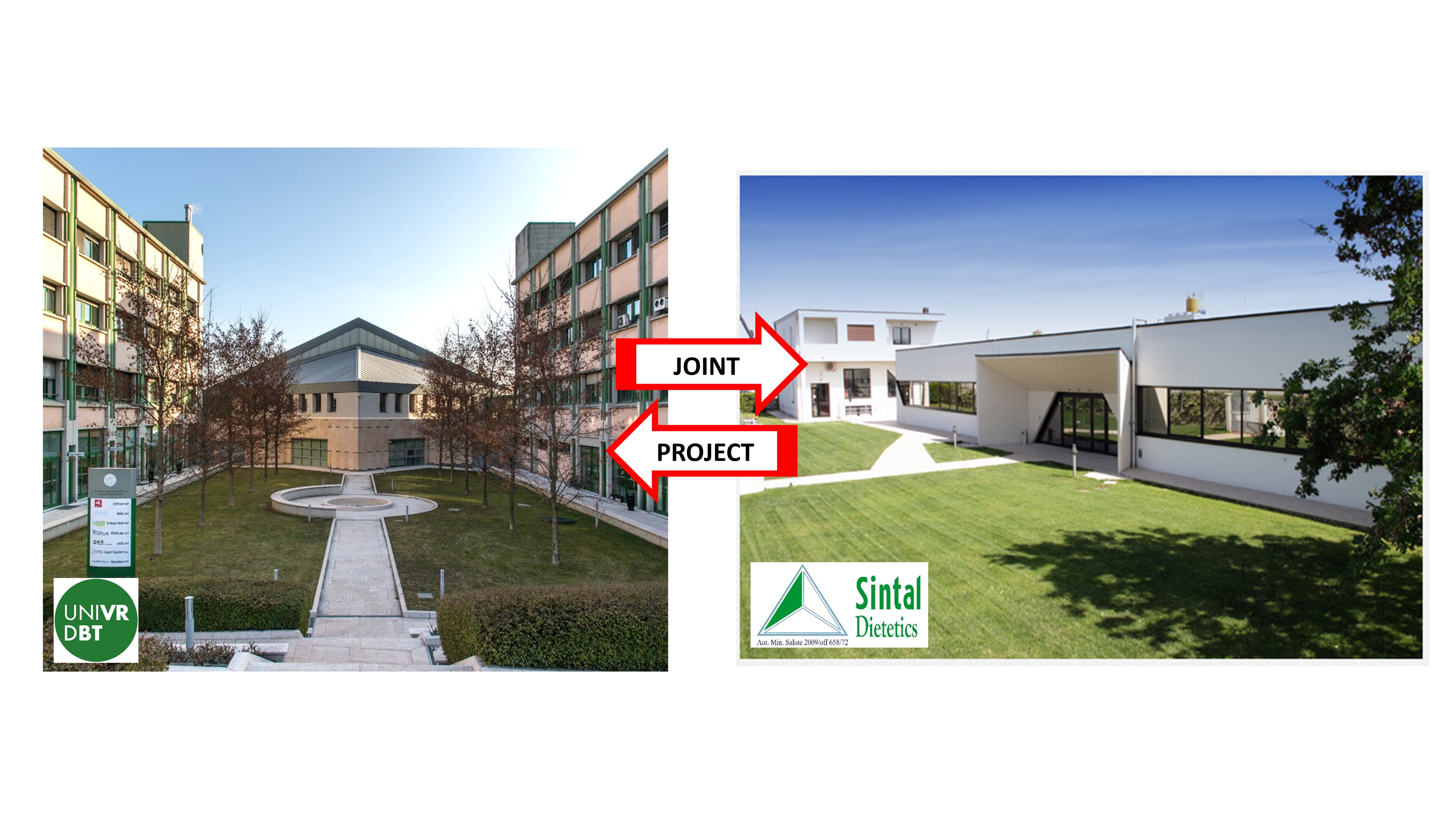
This project was based on a close collaboration between the researchers of the Proteomics Laboratory of the Department of Biotechnology directed by myself and Sintal Dietetics S.r.l., an Italian company, located in the Vomano Valley at the foot of Gran Sasso, involved in formulation and production of supplements for special medical purposes. In particular, this research has been made possible thanks to a joint project “Medicated Bioactive Spray for Skin Healing" co-financed by the University and by Sintal Dietetics S.r.l., granted to me at the end of 2017.
What next?
Lactic acid bacteria lysates are useful to improve skin health. However, the present study demonstrated the strain specificity of the described wound healing, anti-inflammatory, anti-pathogenic and proteomic effects. We sincerely hope that our own contribution will be useful for future research on animal models of skin disorders, before proceeding with clinical trials in humans, in order to confirm the efficacy and safety of cosmetic formulation based on lactic acid bacteria in prevention and therapy of skin disorders.
Link to my webpage: https://bit.ly/3iRFW0x
Link to Biotechnology Department: https://www.dbt.univr.it/
Link to Sintal Dietetics S.r.l.: http://www.sintalgroup.com/

Follow the Topic
-
Scientific Reports
An open access journal publishing original research from across all areas of the natural sciences, psychology, medicine and engineering.

Related Collections
With Collections, you can get published faster and increase your visibility.
Cancer Prevention and Control
Publishing Model: Hybrid
Deadline: Feb 19, 2027
Healthy Aging
Publishing Model: Open Access
Deadline: Dec 31, 2026