
We are excited to share our latest research:
"Comparison Between Low Molecular Weight Heparin and Apixaban in the Prophylaxis Against Venous Thromboembolism After Laparoscopic Sleeve Gastrectomy"
🔍 Key Findings:
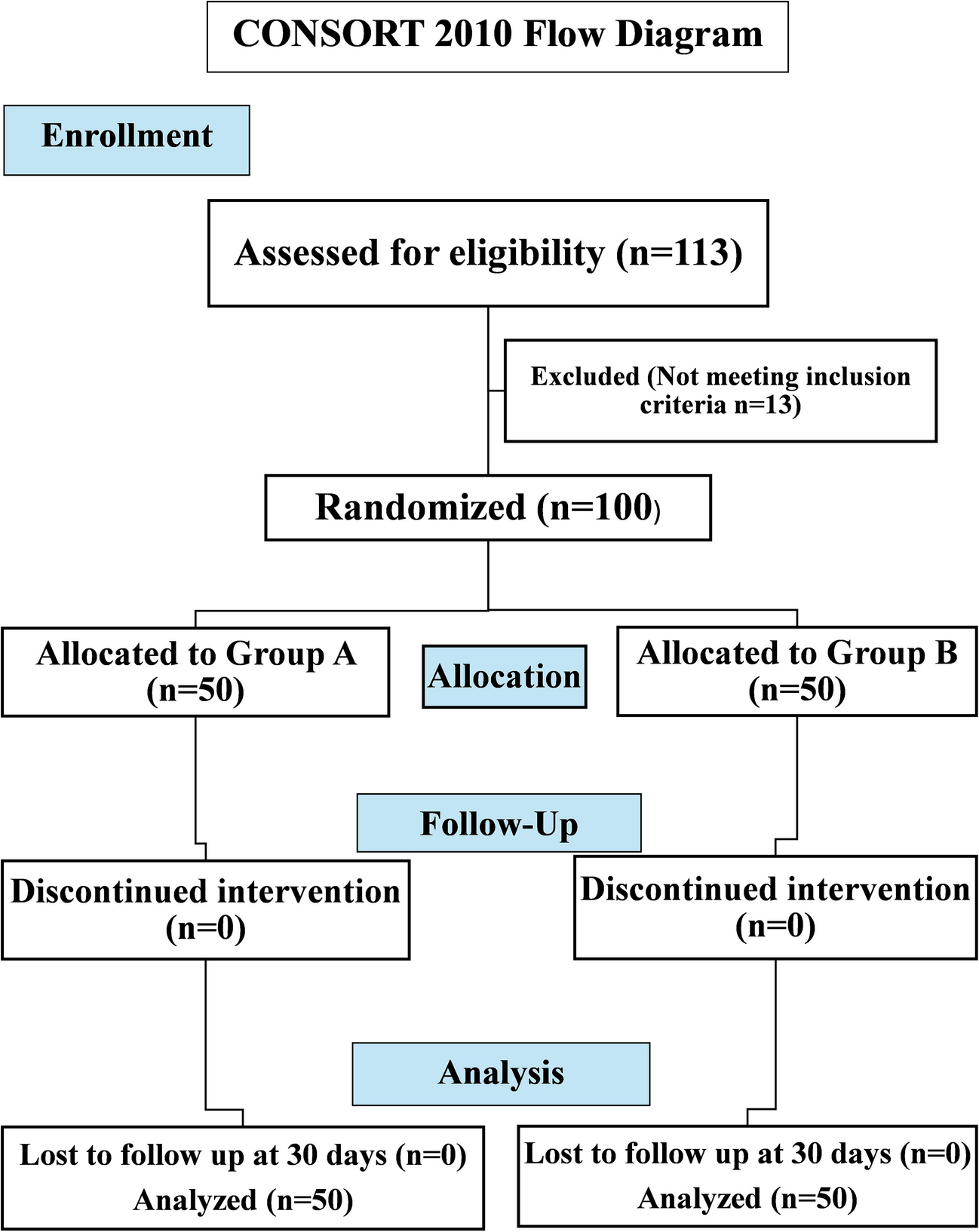
✔️ No venous thromboembolism (VTE) events occurred in either group.
✔️ Apixaban was found to be as effective and safe as low molecular weight heparin (LMWH) for post-bariatric surgery VTE prophylaxis.
✔️ Similar rates of postoperative bleeding (2%) in both groups.
✔️ The study highlights the potential advantages of DOACs in bariatric surgery, including ease of administration and non-requirement for monitoring.
💡 Why This Matters:
Venous thromboembolism is a serious postoperative risk in bariatric surgery, and anticoagulation strategies remain a critical area of research. Our randomized controlled trial (RCT) suggests that apixaban could be a viable alternative to LMWH, offering a simpler and potentially more patient-friendly approach to VTE prophylaxis.
📖 Read the full article here: DOI: 10.1007/s11695-025-07721-y
🔬 We welcome discussions, insights, and collaborations on the use of DOACs in bariatric surgery! Have you encountered similar findings in your practice? Let’s talk!
#BariatricSurgery #VTE #Anticoagulation #Apixaban #LMWH #ObesitySurgery #DOACs #PatientSafety #SurgicalResearch

I am an Associate Professor of Surgery at Cairo University’s Kasr Al-Ainy Faculty of Medicine and a consultant bariatric and minimally invasive surgeon. My clinical work focuses on advanced laparoscopic and revisional bariatric procedures, managing a high-volume obesity surgery center. I am deeply involved in research, with multiple publications in leading journals such as Obesity Surgery, Surgical Endoscopy, and BMC Surgery, covering topics from revisional techniques to postoperative outcomes and innovation in metabolic surgery. I also serve as a reviewer for several international journals, contributing to maintaining scientific rigor and advancing surgical knowledge. Through both my clinical practice and academic work, I strive to improve patient outcomes and strengthen evidence-based bariatric care globally.
Follow the Topic
-
Obesity Surgery
This journal communicates the latest research, surgical and endoscopic techniques, and most recent advances in the integrated health care for the treatment of obesity and metabolic disorders.

Related Collections
With Collections, you can get published faster and increase your visibility.
The IFSO Collection
A collection of publications by members of the International Federation for the Surgery and Other Therapies for Obesity (IFSO). **If you or one of your co-authors are members of IFSO, please submit your research to this topical collection for consideration in OBSU.**
Publishing Model: Hybrid
Deadline: Ongoing
Restrictive Bariatric Surgery in Focus: What’s Next for ESG and LSG?
Publishing Model: Hybrid
Deadline: Ongoing