May Highlights from the Humanities and Social Sciences Communities
Published in Social Sciences, Behavioural Sciences & Psychology, and Education
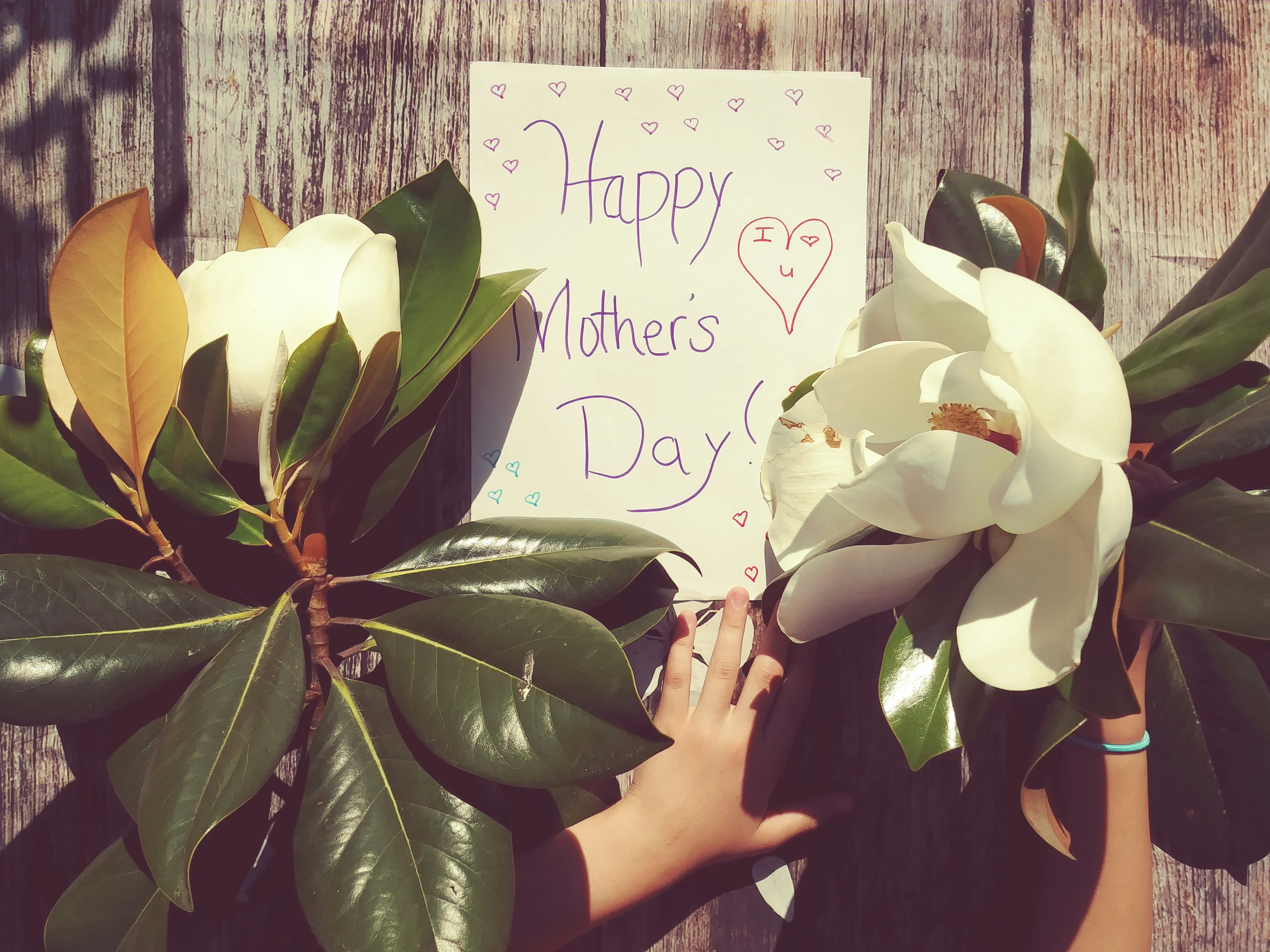
As I read this month’s posts, I noticed how differently “care” is understood across contexts, from motherhood and mental health to communities living through conflict. The blogs below bring together these perspectives, offering snapshots of how people experience and make sense of care in everyday life and beyond.
If something here captures your interest, it is well worth exploring the full posts, and the authors would welcome any thoughts you may wish to share in the comments!
Mother’s Day 2026
Mother’s Day, celebrated by some countries and areas on Sunday, May 10, is often marked by gestures of appreciation; but the posts below look beyond celebration, exploring how motherhood and women’s experiences are represented, understood, and sometimes overlooked in research and society.
New Perspectives on Motherhood
@Elizabeth Podnieks
This post reflects on the growing field of Motherhood Studies and how mothers’ experiences are being taken more seriously. Moving beyond idealised images, it highlights how research and storytelling together can reshape how motherhood is understood, making space for more complex, honest, and diverse perspectives. Read more in the full post.
Motherhood in New Worlds
@Jessica Aliaga-Lavrijsen
Looking at contemporary feminist speculative fiction, this post explores how imagination can open up new ways of thinking about motherhood. By moving beyond traditional, biologically defined roles, these narratives challenge assumptions about reproduction, care and family, and imagine alternative futures where motherhood takes many forms. Read the full post to discover more about this genre of literature and motherhood.
These two blogs are part of the #Palgrave Macmillan Campaign for the Humanities – explore more great stories from this series and read an introduction to the campaign in @Felicity Plester's post.

Women and Social Anxiety
@Katie Masters
This post offers a different way of thinking about social anxiety in women, suggesting that it cannot be understood without considering social and cultural expectations. Drawing on feminist perspectives and lived experience, it reframes anxiety not simply as an individual condition, but as something shaped by the environments women navigate.
Read the full post to explore how to rethink women’s experiences and mental health.
This blog is part of the #Social Science Matters Campaign – click through to explore more posts from this series.

How Research Creates Impact
@Dr. Alexander Woodman
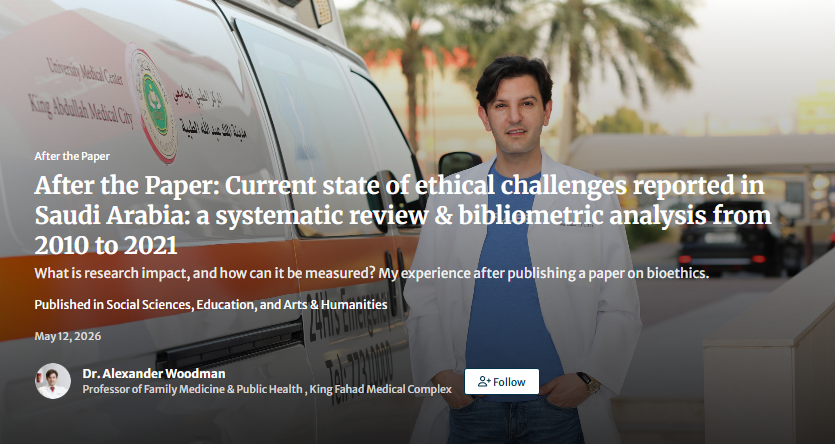
This post looks beyond publication to reflect on what research actually does in the world. Tracing the impact of a study on bioethics in Saudi Arabia, the author reflects on how a systematic review, covering issues such as doctor–patient relationships, informed consent, and organ donation, has helped bring together a fragmented field.
Since its publication, the paper has generated new research questions and collaborations, illustrating how impact often develops over time, and sometimes in unexpected ways. Find out more in the full post.
To this day, my colleagues and I continue to receive emails requesting the use of the data collection tool.”
Discover more blogs exploring the impact of research in the After the Paper Channel to find real stories of what happened after publication.
Schoolchildren’s Mental Health in Wartime Ukraine
@Olena Yelizarova @Svitlana Hozak
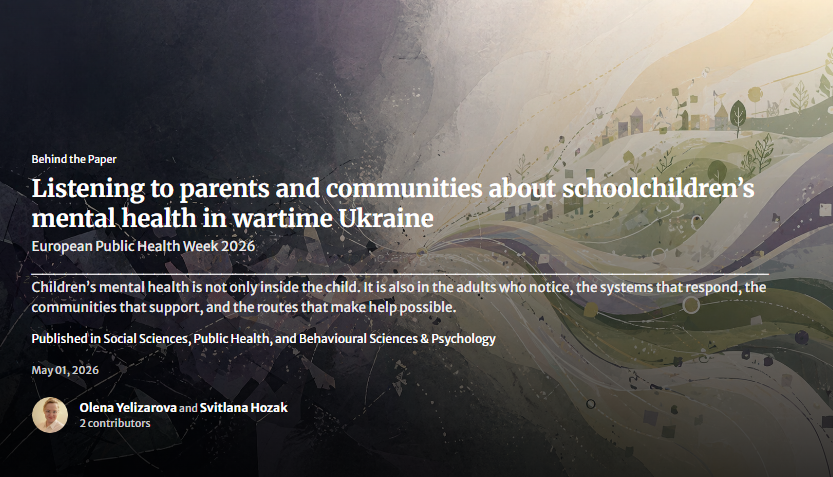
Focusing on children’s mental health during the war in Ukraine, this post highlights the importance of listening, not just to data, but to parents and communities. It shows how support systems are shaped by access, trust, and lived experience, and why care must extend beyond the individual to a wider social context.
The full post offers a closer look at how communities shape care in times of crisis.
Across these blog posts, what comes through is the importance of paying closer attention to people’s experiences, and to the contexts that shape them. Reading them together offers a different way of thinking about care in its many forms.
I hope you enjoy exploring the new ideas and research shared by our authors, and I look forward to reading your thoughts in the comments area below!
Further readings:

Supporting Humanities and Social Sciences research area on the Research Communities platform. I’d love to hear from you and connect!
Follow the Topic
-
Conflict and Health
This is a highly-accessed, open access journal documenting the public health impacts and responses related to armed conflict, humanitarian crises and forced migration.
-
BMC Medical Ethics
This journal is an open access journal publishing original peer-reviewed research articles in relation to the ethical aspects of biomedical research and clinical practice, including professional choices and conduct, medical technologies, healthcare systems and health policies.
-
Palgrave Macmillan
Palgrave Macmillan is a world-class publisher of books and journals with more than 175 years’ experience in the Humanities and Social Sciences.


Introducing the Palgrave Macmillan Campaign for the Humanities
At Palgrave Macmillan we publish cutting-edge humanities research that has real-world impact. This research community brings together the voices of our authors and editorial team to highlight and publicize the value of the humanities and humanities research in our world today.
Continue reading announcementRelated Collections
With Collections, you can get published faster and increase your visibility.
Digital determinants and ethical AI in global health
BMC Medical Ethics invites submissions to our new Collection, Digital determinants and ethical AI in global health. The integration of digital technologies and artificial intelligence (AI) into healthcare has transformed the landscape of global health, introducing new opportunities and challenges. As these technologies become more embedded in clinical practice and public health strategies, emphasizing the ethical implications surrounding their use is crucial.
Recent advancements have highlighted the necessity for algorithmic transparency and accountability, as well as the need for inclusive approaches to AI that prioritize health equity. With this, researchers are encouraged to contribute to a more equitable healthcare system that respects patient rights and fosters trust in digital health solutions. Embedding ethical considerations at the forefront of digital innovation, rather than treating them as secondary concerns, is critical to ensuring that emerging technologies do not reinforce existing health inequities.
This Collection examines the intersection of digital determinants and ethical AI, with particular attention to informed consent, algorithmic transparency, and the implications of emerging technologies for patient autonomy and healthcare equity. To ensure a genuinely interdisciplinary dialogue, we invite submissions from physicians, legal scholars, philosophers, engineers, computer scientists, data scientists, and other digital‑technology professionals. Key areas of interest include, but are not limited to:
- Informed consent in digital health
- Algorithmic transparency and accountability
- Equity and inclusion in AI healthcare solutions
- Bias in AI diagnostics and decision-making
- Ethical implications of data privacy in digital health
- The interaction between digital determinants and other determinants of health
- Digital literacy in global health projects
- The impact of large language models (LLMs) on global health and their role as digital determinants of health
- Emerging debates about AI in One Digital Health
- Ethical discussions on the sustainability of AI and the environmental effects of health digitalization at a global scale
- Comparative analyses of data governance models, AI, and other digital technologies in relation to their impacts on global health
This Collection supports and amplifies research related to SDG 3: Good Health and Well-Being.
All manuscripts submitted to this journal, including those submitted to collections and special issues, are assessed in line with our editorial policies and the journal’s peer-review process. Reviewers and editors are required to declare competing interests and can be excluded from the peer review process if a competing interest exists.
Publishing Model: Open Access
Deadline: Jan 13, 2027
Systematic Reviews in Conflict and Humanitarian Health
Armed conflict, humanitarian crises, and forced migration continue to pose profound challenges to public health systems worldwide. In these settings, evidence gaps are common, data collection is constrained by insecurity, and health needs evolve rapidly. Systematic reviews play an essential role in consolidating fragmented evidence, evaluating intervention effectiveness, and guiding policies and responses that can save lives in some of the world’s most vulnerable contexts.
This collection brings together high‑quality systematic reviews and evidence syntheses that advance understanding of the public health impacts of conflict and crises, and that evaluate strategies to improve health outcomes for affected populations. We welcome submissions addressing the full breadth of topics within Conflict and Health, including:
-Infectious disease prevention and control, outbreak preparedness, and surveillance in unstable or resource‑limited settings
-Nutrition, food security, and interventions to address undernutrition in crisis-affected populations
-Reproductive, maternal, newborn, and child health in conflict and displacement
-Sexual and gender-based violence, its determinants, and response mechanisms
-Mental health and psychosocial support, including trauma, resilience, and service delivery models
-Non-communicable diseases in humanitarian and conflict settings
-Health systems and service delivery under conditions of fragility, disruption, or deliberate attack
-Ethical considerations related to health research, intervention design, and humanitarian practice in conflict-affected communities
This collection seeks to advance both scholarship and practice by championing evidence synthesis that drives equitable, ethical, and effective health interventions in conflict and humanitarian settings.
All submissions in this collection undergo the journal’s standard peer review process. As an open access publication, this journal levies an article processing fee (details here). We recognize that many key stakeholders may not have access to such resources and are committed to supporting participation in this issue wherever resources are a barrier. For more information about what support may be available, please visit OA funding and support, or email OAfundingpolicy@springernature.com or the Editor-in-Chief.
Publishing Model: Open Access
Deadline: Nov 10, 2026