Meet Communications Biology authors from Japan
Published in Protocols & Methods
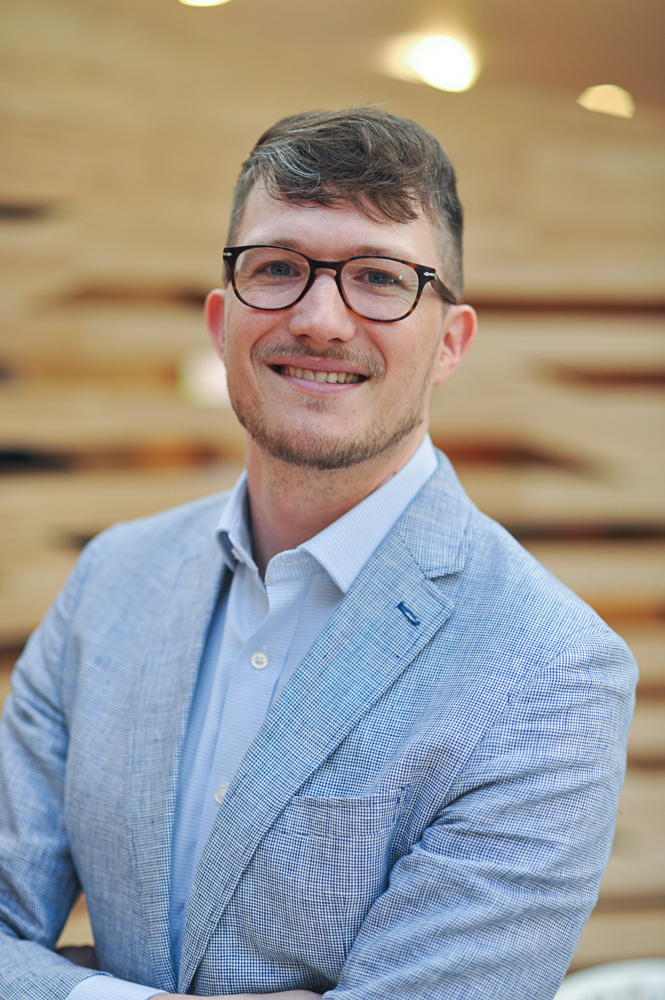



In this video, three authors (Drs. Yohei Hayashi, Kazuhiro Hotta, and Kimio Sumaru) talk about how they came to develop an automatic cell processing system that helps researchers maintain the culture of human induced pluripotent stem cells by selectively eliminating spontaneously differentiated cells. This story illustrates the power of interdisciplinary collaboration that encompasses stem cell research, materials engineering, machine learning, and computer vision. These researchers also tell us about how they hope to bring this technology to the next level. This work has recently been published in Communications Biology.

Follow the Topic
-
Communications Biology
An open access journal from Nature Portfolio publishing high-quality research, reviews and commentary in all areas of the biological sciences, representing significant advances and bringing new biological insight to a specialized area of research.

Related Collections
With Collections, you can get published faster and increase your visibility.
Healthy Aging
Publishing Model: Open Access
Deadline: Dec 31, 2026
DNA repair and human disease
Publishing Model: Hybrid
Deadline: Oct 31, 2026