Multifunctional-engineered NK cells overcome tumor immunosuppression by combining PDL1 and HLA-E targeting and endogenous IL15 production
Published in Cancer, Biomedical Research, and Immunology





Despite remarkable advances in cancer immunotherapy, many patients with advanced solid and hematological malignancies still fail to achieve durable responses. One of the major obstacles is the tumor microenvironment, which actively suppresses immune cell function through multiple, often redundant, inhibitory mechanisms. Overcoming this complex network of immune escape remains one of the greatest challenges in the field.
Natural Killer (NK) cells represent an attractive platform for next-generation cell therapies because they can recognize and eliminate malignant cells without prior antigen sensitization and can be developed as allogeneic, "off-the-shelf" products. However, like other immune effectors, NK cells are profoundly inhibited by the immunosuppressive signals present within tumors, limiting their persistence and therapeutic efficacy.
In our study, we sought to address these limitations by engineering mature allogeneic NK cells with a multifunctional strategy capable of simultaneously targeting several mechanisms of tumor immune evasion. Rather than focusing on a single checkpoint, we designed a retroviral tricistronic vector that combines three complementary functions within the same cell.
The engineered NK cells recognize PD-L1-expressing tumor cells through an activating chimeric receptor that converts an inhibitory interaction into an activating signal. At the same time, they secrete a single-chain antibody fragment that blocks the HLA-E/NKG2A inhibitory pathway, one of the principal mechanisms by which tumors suppress NK cell activity. Finally, they produce low physiological levels of IL-15, allowing the cells to sustain their own survival, metabolic fitness, and persistence without requiring continuous exogenous cytokine administration.
This integrated approach resulted in enhanced antitumor activity across multiple pediatric and adult tumor models, including neuroblastoma, medulloblastoma, leukemia, and pancreatic cancer. Beyond improving cytotoxicity, the engineered NK cells maintained superior metabolic adaptability, resisted the immunosuppressive tumor microenvironment and persisted longer in vivo, leading to durable tumor control after a single administration in preclinical models.
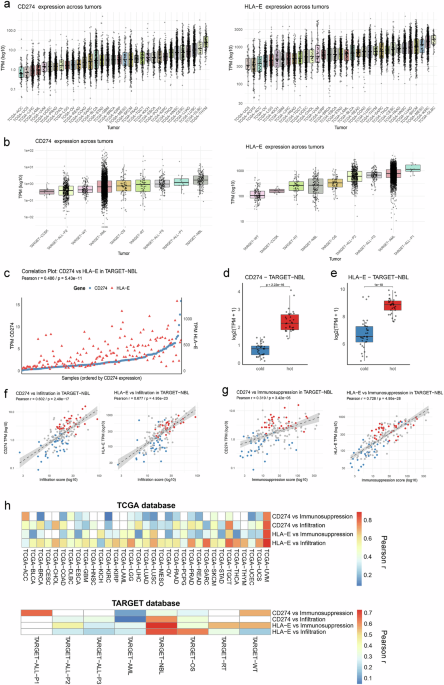
One aspect we found particularly exciting is that this platform targets mechanisms shared by many different tumors rather than tumor-specific antigens. Because PD-L1 and HLA-E are broadly co-expressed across numerous cancer types, this strategy may have broader applicability than approaches directed against a single tumor antigen. It may reduce the risk of immune escape through antigen loss.
While significant work remains before clinical translation, these findings provide proof-of-concept for a new generation of multifunctional NK cell therapies designed not only to kill tumor cells, but also to resist the hostile conditions imposed by the tumor microenvironment actively. We hope this work will contribute to the development of safer, more effective, and readily available cellular immunotherapies for patients with high-risk and treatment-resistant cancers.

I am an immunologist passionate about understanding how the innate immune system can be harnessed to fight cancer. My research focuses on Natural Killer (NK) cells and innate lymphoid cells, with the goal of developing innovative cell-based immunotherapies capable of overcoming the immunosuppressive tumor microenvironment.
I currently lead the Innate Immunity Lymphoid Cells Unit at IRCCS Ospedale Pediatrico Bambino Gesù in Rome, where my team combines immunology, genetic engineering and translational research to develop next-generation NK cell therapies for pediatric and adult cancers. My work is supported by the AIRC Investigator Grant, and our recent studies have led to the development of multifunctional engineered NK cells designed to target multiple mechanisms of tumor immune escape simultaneously.
Throughout my career, I have had the opportunity to collaborate with outstanding scientists and clinicians in Italy and abroad, an experience that has strengthened my belief that innovation comes from multidisciplinary teamwork and the exchange of ideas. I enjoy mentoring young researchers, building scientific collaborations, and translating discoveries from the laboratory into therapies that may ultimately improve patients' lives.
I have authored more than 100 peer-reviewed publications and remain deeply motivated by one simple goal: turning advances in basic immunology into effective treatments for patients with cancer.
Follow the Topic
-
Signal Transduction and Targeted Therapy
This is an international, peer-reviewed, open-access journal publishing articles related to signal transduction in physiological and pathological processes, alongside signal transduction-targeted therapeutics in the form of biological agents and small molecular drugs used to treat human diseases.