Nanostructured Lipid Carrier Based Gel Containing α-Tocopherol and α-Tocopheryl Acetate for Synergistic Cutaneous Antiaging Efficacy - Scientific Reports
Published in Bioengineering & Biotechnology, Chemistry, and Materials


Skin aging is a multifactorial biological process driven by intrinsic factors such as cellular senescence and extrinsic stressors, including ultraviolet radiation, pollution, and oxidative damage. Among these, oxidative stress plays a central role by disrupting cellular homeostasis, accelerating collagen degradation, impairing barrier integrity, and promoting visible signs of aging. Antioxidants, therefore, remain a cornerstone of topical antiaging strategies, both in dermatological research and in cosmetic science.
Vitamin E is one of the most extensively studied and widely used antioxidants for skin applications. α-Tocopherol, the biologically active form of vitamin E, exhibits potent free radical–scavenging activity and plays a key role in protecting cell membranes from lipid peroxidation. However, its topical effectiveness is limited by several well-recognized challenges, including chemical instability, susceptibility to oxidation, and limited penetration into deeper skin layers. α-Tocopheryl acetate, a more stable esterified form of vitamin E, is often used as an alternative, but it requires enzymatic hydrolysis within the skin to convert into the active α-tocopherol. As a result, formulations containing either form alone may not fully exploit the therapeutic potential of vitamin E.
The starting point for this study was the recognition that these two forms of vitamin E are not competing alternatives, but rather complementary molecules with distinct yet interrelated roles. We hypothesized that combining α-tocopherol and α-tocopheryl acetate within a single topical system could provide both immediate antioxidant protection and sustained activity over time. Achieving this, however, requires a delivery platform capable of stabilizing both compounds, controlling their release, and promoting effective interaction with the skin.
Nanostructured lipid carriers (NLCs) offer several advantages that make them well-suited for this purpose. As second-generation lipid nanoparticles, NLCs are composed of a mixture of solid and liquid lipids, creating an imperfect lipid matrix that can accommodate higher drug loading and reduce the risk of expulsion during storage. Additionally, their nanoscale size, lipid-based composition, and occlusive properties can enhance skin hydration and promote dermal penetration of encapsulated actives. These characteristics have positioned NLCs as promising platforms for topical and dermal delivery, yet their potential for co-delivery of synergistic antioxidant systems remains underexplored.
The objective of this work was therefore not simply to formulate an NLC-based gel containing vitamin E derivatives, but to systematically investigate whether co-encapsulation of α-tocopherol and α-tocopheryl acetate could translate into measurable improvements in cutaneous antiaging performance. This required careful consideration of formulation design, physicochemical characterization, and functional evaluation.
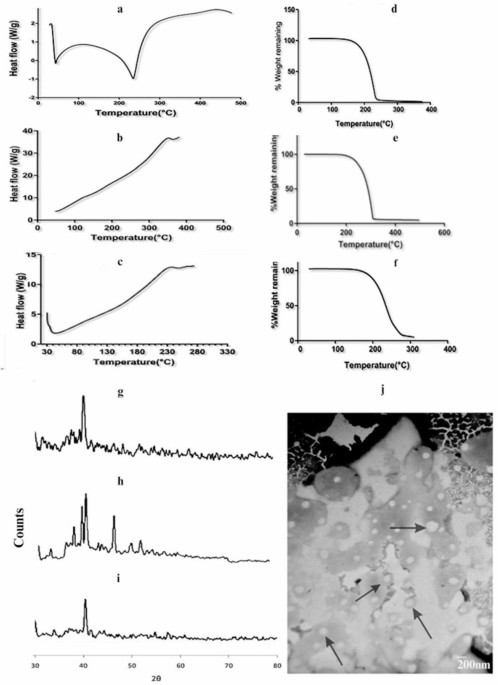
One of the key challenges during formulation development was achieving a stable NLC system capable of incorporating both molecules without compromising particle size distribution, homogeneity, or gel consistency. α-Tocopherol and α-tocopheryl acetate differ in polarity and molecular behavior within lipid matrices, necessitating optimization of lipid composition and surfactant concentration. Multiple iterations were required to identify a formulation that maintained nanoscale size, low polydispersity, and sufficient encapsulation efficiency while remaining suitable for topical application.
Beyond stability, understanding the release behavior of the actives was central to our approach. Rather than aiming for rapid release, we sought controlled and sustained delivery that would align with the intended synergistic mechanism: immediate availability of α-tocopherol coupled with gradual release and in situ conversion of α-tocopheryl acetate. Release kinetics were therefore analyzed not as an isolated parameter, but as a functional bridge between formulation structure and biological outcome.
Another important aspect of this study was the evaluation of occlusive properties. Lipid-based nanocarriers are known to form a thin film on the skin surface, reducing transepidermal water loss and improving hydration. Enhanced hydration alone can improve skin appearance and function, but it may also facilitate deeper penetration of active compounds. In this context, occlusivity was considered an integral part of the antiaging mechanism rather than a secondary cosmetic benefit.
The incorporation of the NLCs into a gel matrix was guided by the need to balance patient acceptability with functional performance. Topical delivery systems must not only be effective but also exhibit appropriate rheological behavior, spreadability, and skin feel. The gel formulation was optimized to ensure uniform distribution of nanoparticles while maintaining stability and ease of application.
Importantly, this study was designed to move beyond descriptive formulation metrics and instead establish a link between nanoscale organization and biological relevance. Physicochemical properties such as particle size, lipid composition, and release kinetics were interpreted in the context of skin interaction and antiaging efficacy. This integrative approach reflects a broader shift in topical delivery research toward understanding how formulation design influences therapeutic outcomes.
The results indicate that the NLC-based gel enabled controlled release, improved skin compatibility, and enhanced antiaging efficacy compared with conventional formulations. While the individual contributions of α-tocopherol and α-tocopheryl acetate are well documented, their combined delivery within a single nanocarrier system appears to offer advantages that are not achievable when either compound is used alone.
From a broader perspective, this work underscores the potential of nanostructured lipid carriers as platforms for rational combination therapy in dermatological and cosmetic applications. Rather than serving solely as passive delivery vehicles, NLCs can be engineered to modulate release profiles, protect sensitive molecules, and enhance functional synergy between active ingredients.
This study also highlights the importance of aligning formulation science with biological intent. Antiaging efficacy is not governed by antioxidant activity alone, but by a complex interplay of stability, delivery, skin interaction, and sustained performance. By addressing these factors simultaneously, nanocarrier-based systems may offer more reliable and reproducible outcomes in topical applications.
In conclusion, this work contributes to the growing body of evidence supporting nanotechnology-enabled strategies for advanced skin care and dermatological formulations. We hope that the insights presented here will encourage further investigation into synergistic active combinations and stimulate continued exploration of nanostructured lipid carriers as versatile and adaptable delivery platforms.

My research interests are in nanotechnology, dosage form design, and cosmetic science.
I have currently working as an Assistant Professor in a Pharmacy college for the last three years.
Recently, my research article has been published in Scientific Reports.
I am interested in collaborating with a research group align to my research interests.
Follow the Topic
-
Scientific Reports
An open access journal publishing original research from across all areas of the natural sciences, psychology, medicine and engineering.

Related Collections
With Collections, you can get published faster and increase your visibility.
Cancer Prevention and Control
Publishing Model: Hybrid
Deadline: Feb 19, 2027
Healthy Aging
Publishing Model: Open Access
Deadline: Dec 31, 2026