Navigating the human dimensions of climate adaptation: Prioritising social wellbeing to create resilient communities for the future.
Published in Social Sciences, Earth & Environment, and Behavioural Sciences & Psychology


In recent years, the spectre of sea level rise due to climate change has prompted governments worldwide to devise strategies to protect vulnerable coastal communities. Among these strategies, planned relocation stands out as a significant intervention, aiming to safeguard communities from the encroaching threats of coastal erosion and inundation by physically relocating people and infrastructure away from the risk. However, despite the extreme disruption to multiple aspects of peoples lives, such processes are often framed through risk reduction and economic lenses, while the social consequences of planned relocation remain understudied.
Our recent study, which looks at the social consequences of planned relocation in response to sea-level rise, sheds light on the intricate social dynamics and so-called ‘hidden’ costs associated with planned relocation, as part of a wider need to evaluate the health and wellbeing impact of climate adaptation strategies. Our strength in contributing to this broader call stem from our interdisciplinary team of climate scientists, geographers, demographers, and psychologist to look at the issue from different perspectives.
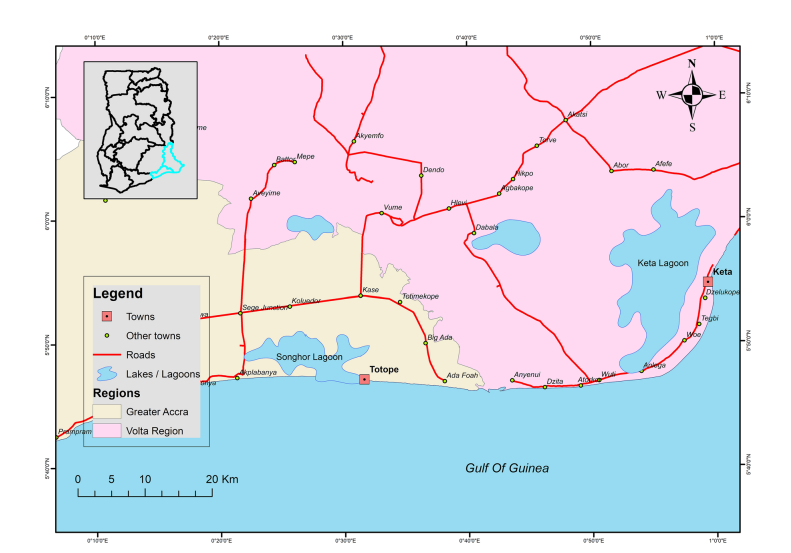
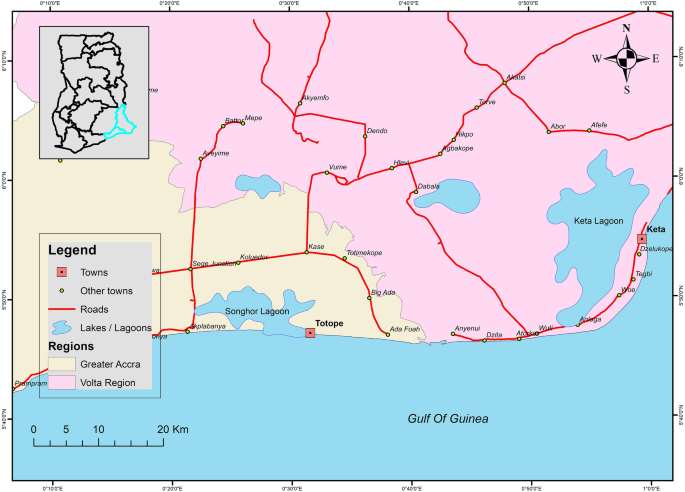
Focusing on the Volta Delta region of Ghana, we explore the impacts of relocation on the wellbeing, anxiety levels, and perceived safety of affected communities. Our findings highlight the importance of considering the broader socio-psychological implications of large-scale adaptation efforts, particularly as the global community confronts the impending challenges posed by sea level rise. That is, our research demonstrates that relocation as an adaptive response to climate change impacts has multiple consequences for communities that, ultimately, serve to undermine their ability to thrive.
We employed standard survey techniques from demography and new measures from social psychology to gather information on the health and wellbeing consequences of flood adaptation strategies in two communities in the Volta Delta region of Ghana.
Our study offers compelling insights into the repercussions of planned relocation on community wellbeing. We found that relocation negatively impacts various facets of wellbeing that extend beyond physical displacement, profoundly affecting community connections. That is, community members from a relocated (vs non-relocated) area, exhibited lower levels of attachment to their new homes and communities, diminished community-based self-efficacy and identity, increased levels of anxiety, and diminishing perceptions of safety. This is so because the relocated communities are still living with the vulnerabilities for which they were relocated, and their main livelihood was not taken into consideration in the relocation process.
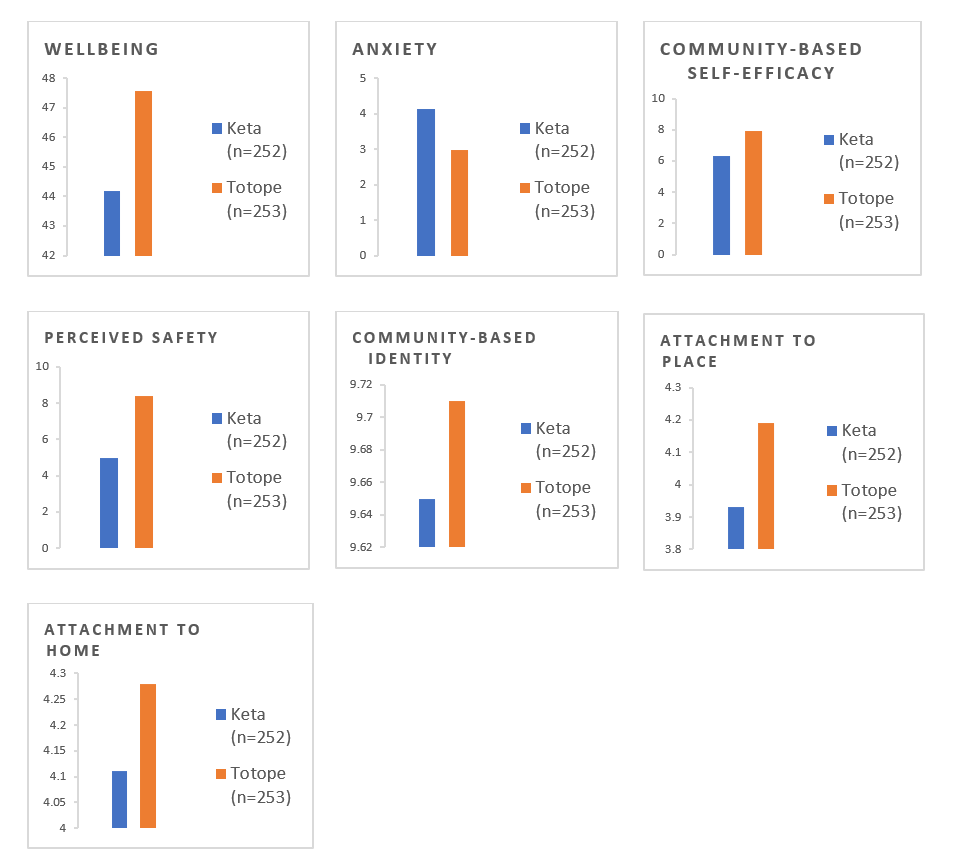
Our findings highlight the importance of adopting more holistic approaches to planned relocation initiatives, and adaptations more broadly, that prioritise broader social consequences contributing to wellbeing in the affected communities, alongside traditional risk reduction measures. Integrating social impact assessments into decision-making processes is crucial as governments and international organisations allocate resources for adaptation efforts.
Furthermore, to develop understanding about when, and under what circumstances, adaptation interventions impact the wellbeing of communities across contexts, we argue for enhanced community engagement and participatory approaches within the planning and implementation of relocation projects. By centring the voices and experiences of affected communities, policymakers can better anticipate and address the diverse needs and concerns arising from planned relocation initiatives.
In conclusion, our research highlights the critical need to broaden the discourse surrounding sea-level rise adaptation, beyond traditional economic and risk reduction frameworks. By acknowledging and addressing the social consequences of planned relocation, we can strive towards more equitable and sustainable solutions that prioritise the wellbeing and resilience of coastal communities worldwide. As we navigate the challenges of climate change, let us not overlook the human dimensions of adaptation, for it is in understanding and mitigating these impacts that we can truly build a more resilient and sustainable future for all.

Follow the Topic
-
Scientific Reports
An open access journal publishing original research from across all areas of the natural sciences, psychology, medicine and engineering.

Related Collections
With Collections, you can get published faster and increase your visibility.
Healthy Aging
Publishing Model: Open Access
Deadline: Dec 31, 2026
Kidney Disease and Health
Publishing Model: Open Access
Deadline: Oct 22, 2026


Please sign in or register for FREE
If you are a registered user on Research Communities by Springer Nature, please sign in