Pre-pregnancy BMI: A key determinant of the milk microbiota?
Published in Microbiology
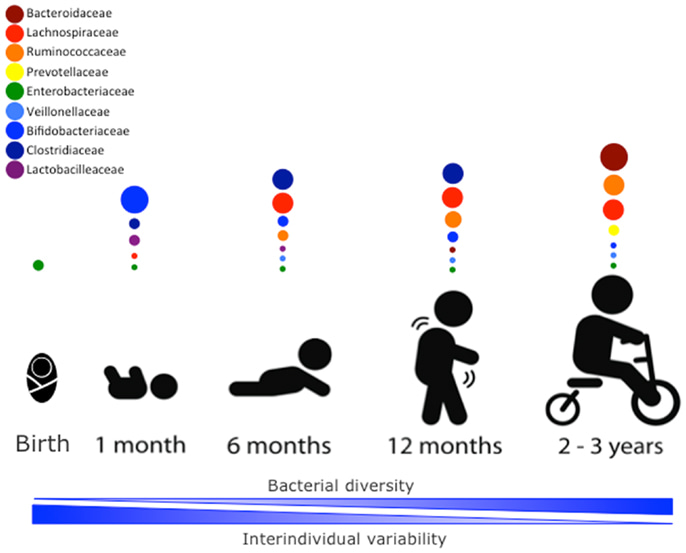
Long thought to be the result of contamination or maternal infection, research has now shown that human milk is a rich source of bacteria, termed the human milk microbiota1. Human milk contains 103-106 bacterial cells/mL in addition to a number of additional bioactive components including immune cells, oligosaccharides, lactoferrin, and lysozyme2–5. These constituents in human milk are transferred to human milk-fed infants and are involved in the maturation of the infant gut and immune system 6–9. Infant nutrition, either human milk or infant formula, during the first year of life may be associated with both short- and long-term health outcomes. It is thought that the absence of human milk, and thereby its bioactive components, negatively impacts immunologic and metabolic programming in the infant, which may contribute to a number of adverse health outcomes including increased risk of non-communicable diseases such as asthma, inflammatory bowel diseases, and metabolic syndrome10. A number of reports have examined how maternal health can alter the bacteria in human milk, which could then impact the microbiota transmitted to the offspring 11–13. Up to 20% of pregnancies in Canada present with gestational diabetes, which incurs significant maternal and infant morbidities14,15; despite this, no study to date has investigated the potential impact of gestational glucose intolerance, either impaired gestational glucose tolerance (IGT) or gestational diabetes (GDM), on the milk microbiota community structure or function. Our study strived to fill this gap and examine the associations between maternal metabolic, obstetrical, and demographic variables and the milk microbiota composition and predicted function in a cohort of women with varying degrees of gestational glucose intolerance.
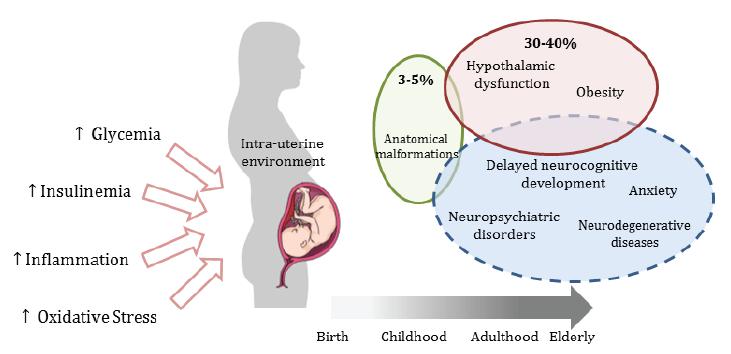
The mothers in our study were recruited from a tertiary care hospital which follows higher risk pregnancies; this allowed us to recruit a cohort of women with high rates of either GDM or IGT. All mothers underwent an oral glucose tolerance test during late pregnancy at approximately 30 weeks’ gestation to determine their glucose tolerance status. We also collected a number of additional demographic (ethnicity), anthropometric (pre-pregnancy and postpartum BMI), and obstetrical variables (mode of delivery) to allow us to see a full picture of the factors interacting with the milk microbiota.
A rich microbiota was universally present across all milk samples, with significant inter-individual variability between moms at each bacterial taxonomic level. Our results demonstrate that the milk microbiota is a diverse ecosystem with each mother having their own unique milk microbiota signature. Maternal pre-pregnancy BMI was found to be the strongest predictor of the milk microbiota composition when it came to all three outcome measures: diversity, differential abundance, and predicted microbial functions. Pre-pregnancy BMI was associated with the predicted functional pathway “Biosynthesis of secondary metabolites”, which may point to the role of maternal BMI in altering the functions of the bacteria in her milk. In the case of “secondary metabolites”, this may mean the biosynthesis of antibiotics by certain bacteria to outcompete other bacteria in the milk microenvironment. Based on our findings, the directionality of the association in relation to pre-pregnancy BMI is unknown- i.e. is a greater BMI associated with a sub-optimal or beneficial milk microbiota? Although it may be tempting to assume a greater BMI is associated with an inferior milk microbiota composition, that has not yet been shown.
Gestational glucose tolerance status, ethnicity, and mode of delivery were also found to be associated with differentially abundant taxa, however, the associations between glucose tolerance status and milk microbiota composition were minimal after adjustment for other variables, including maternal BMI. This is contrary to what is seen in the gastrointestinal microbiota of individuals with type 2 diabetes, who display a divergent gut microbiota composition when compared to individuals with normoglycemia16. Seeing as the origin of bacteria in breast milk has not been fully elucidated, it is unknown why the milk microbiota does not appear to be dramatically impacted by gestational diabetes. Perhaps there are evolutionary adaptations in place to preserve the core integrity of milk microbiota in the face of short-term metabolic changes. This may be why greater associations were found between pre-pregnancy BMI and the milk microbiota. Pre-pregnancy BMI is likely representative of many more long-term confounding factors including maternal genetics, socioeconomic status, hormones, medications, stress levels, mental health, sleep quality, diet, and physical activity. Further investigation into the mechanisms between pre-pregnancy BMI, gestational glucose tolerance, and the milk microbiota are warranted.
The full paper was published in BMC Microbiology and can be found here.
Images from Bing images "Free to use and share".
References:
- Moossavi, S. & Azad, M. B. Origins of human milk microbiota: new evidence and arising questions. Gut Microbes 0, 1–10 (2019).
- Ballard, O. & Morrow, A. L. Human milk composition: nutrients and bioactive factors. Pediatr. Clin. North Am. 60, 49–74 (2013).
- Lepage, P. & Van de Perre, P. The immune system of breast milk: antimicrobial and anti-inflammatory properties. Adv. Exp. Med. Biol. 743, 121–137 (2012).
- Fitzstevens, J. L. et al. Systematic Review of the Human Milk Microbiota. Nutr. Clin. Pract. 32, 354–364 (2017).
- Boix-Amorós, A., Collado, M. C. & Mira, A. Relationship between Milk Microbiota, Bacterial Load, Macronutrients, and Human Cells during Lactation. Front. Microbiol. 7, 492 (2016).
- Azad, M. B. et al. Gut microbiota of healthy Canadian infants: profiles by mode of delivery and infant diet at 4 months. CMAJ 185, 385–394 (2013).
- Murphy, K. et al. The Composition of Human Milk and Infant Faecal Microbiota Over the First Three Months of Life: A Pilot Study. Sci. Rep. 7, 40597 (2017).
- Pannaraj, P. S. et al. Association Between Breast Milk Bacterial Communities and Establishment and Development of the Infant Gut Microbiome. JAMA Pediatr. 171, 647–654 (2017).
- Victora, C. G. et al. Breastfeeding in the 21st century: epidemiology, mechanisms, and lifelong effect. The Lancet 387, 475–490 (2016).
- Victora, C. G. et al. Breastfeeding in the 21st century: epidemiology, mechanisms, and lifelong effect. Lancet Lond. Engl. 387, 475–490 (2016).
- Moossavi, S. et al. Composition and Variation of the Human Milk Microbiota Are Influenced by Maternal and Early-Life Factors. Cell Host Microbe 25, 324-335.e4 (2019).
- Cabrera-Rubio, R. et al. The human milk microbiome changes over lactation and is shaped by maternal weight and mode of delivery. Am. J. Clin. Nutr. 96, 544–551 (2012).
- Cabrera-Rubio, R., Mira-Pascual, L., Mira, A. & Collado, M. C. Impact of mode of delivery on the milk microbiota composition of healthy women. J. Dev. Orig. Health Dis. 7, 54–60 (2016).
- Plows, J. F., Stanley, J. L., Baker, P. N., Reynolds, C. M. & Vickers, M. H. The Pathophysiology of Gestational Diabetes Mellitus. Int. J. Mol. Sci. 19, (2018).
- Feig, D. S. et al. Diabetes and Pregnancy. Can. J. Diabetes 42, S255–S282 (2018).
- Gurung, M. et al. Role of gut microbiota in type 2 diabetes pathophysiology. EBioMedicine 51, (2020).

Follow the Topic
-
BMC Microbiology
This is an open access, peer-reviewed journal that considers articles on all microorganisms - bacteria, archaea, algae and fungi, viruses, unicellular parasites and helminths.

Related Collections
With Collections, you can get published faster and increase your visibility.
Current challenges and future directions in virology
The field of virology has gained significant momentum over the past few decades, driven by the global rise in emerging and re-emerging viral infectious diseases. Recent developments in molecular biology, multi-omics technologies, next generation sequencing and bioinformatics have significantly enhanced our understanding of the mechanisms of viral replication, pathogenesis, and the intricacies of virus–host interactions. These advances continue to open new avenues for antiviral development and vaccine design. By promoting interdisciplinary approaches and collaborations, virology research is well-positioned to uncover the fundamental principles and determinants underlying viral success and evolution, and to identify novel therapeutic targets.
Persistent and latent viral infections, such as those caused by HIV and herpesviruses, present a continuing challenge due to their ability to evade immune responses and establish long-term reservoirs. Additionally, the rapid genetic evolution of viruses and the emergence of resistance to existing antivirals highlight the need for sustained innovation in treatment strategies and vigilant molecular surveillance.
In support of United Nations’ Sustainable Development Goal 3 (SDG 3, Good Health and Well-Being), BMC Microbiology launches the Collection ‘Current challenges and future directions in virology’. This Collection aims to bring together research on virology, seeking to highlight current and future challenges of the field, with the goal of advancing our ability to study viruses and control viral infectious diseases. We welcome submissions addressing all aspects of virology, including virus–host cell interactions, viral transmission, antiviral interventions, and the role of environmental factors in viral ecology. Manuscripts without a clear focus on viruses or virus-cell host interactions will not be considered. We invite researchers and experts in the field to submit research articles covering a broad range of topics including, but not limited to:
Molecular mechanisms of viral infection and virus-host cell interactions
Virus-host cell metabolism interactions during infection
Innate immune response mechanisms to viral pathogens
Mechanisms of immune evasion by viruses
Direct-acting antivirals and host-directed antiviral therapeutic approaches
Viral proteins in pathogenesis and their potential as therapeutic targets
Pathways of viral replication and infection relevant to drug discovery
Immunotherapeutic approaches aimed at enhancing innate and trained immunity
Innovations in molecular diagnostics for virus detection
Environmental virology and virus ecology, including the influence of environmental factors on viral transmission and emerging viral diseases
Development of pan-viral or broadly protective vaccines targeting multiple virus families
Applications of artificial intelligence and machine learning in viral detection, antivirals and vaccine development, and surveillance
Personalized virology and precision medicine approaches based on host genetics and immune profiling
Drug repurposing for emerging viruses: role of computational pharmacology
All manuscripts submitted to this journal, including those submitted to collections and special issues, are assessed in line with our editorial policies and the journal’s peer review process. Reviewers and editors are required to declare competing interests and can be excluded from the peer review process if a competing interest exists.
Publishing Model: Open Access
Deadline: Nov 05, 2026
Microbes in built environments
The microbial communities (e.g. bacteria, fungi, viruses) that inhabit human-built environments are diverse, dynamic and complex, and they play a significant role in human health and wellbeing. From indoor air quality to the surfaces and building materials we touch daily, we interact with a range of microbes that come from a variety of sources such as other humans, pets, plants, pests, and other outdoor sources. Investigating and understanding these interactions require interdisciplinary approaches that integrate microbiology, ecology, and engineering principles, among other disciplines. As our understanding of microbial dynamics within built environments advances, it becomes increasingly clear that built-environment microbes and microbiomes can strongly affect human health, either positively or negatively.
Recent research has highlighted the potential importance of indoor microbial diversity in influencing human health (e.g. respiratory health, allergies, and the spread of multidrug-resistant organisms, particularly in healthcare settings). Innovations in monitoring and modelling microbial communities are opening new avenues for designing healthier indoor environments and mitigating risks from unwanted microbial exposures. Ongoing research in the field has the potential to yield novel insights into how these microbes respond metabolically to certain stressors and how we can leverage that knowledge. Additionally, a better understanding of microbe-host interactions could aid in developing novel approaches in building design and public health initiatives. Adaptive antimicrobial methods based on real-world conditions (such as occupancy, ventilation, and microbial indicators) offer a promising pathway to control microbial risks while minimizing unintended impacts.
In support of the United Nations’ Sustainable Development Goal 3 (SDG 3, Good Health and Well-Being), BMC Microbiology launches the Collection Microbes in built environments. This Collection invites research articles that contribute to the understanding of microbes and microbiomes in human-built environments, encompassing microbial ecology, diversity, metabolism, and their implications for human health. Submissions are welcome on topics ranging from indoor microbial communities to the impact of design on microbe-host interactions in the built environment. Research without a clear focus on microorganisms, microbial communities, or microbiomes in built environments will not be considered. We invite researchers and experts in the field to submit research articles covering a broad range of topics, including, but not limited to:
- Interactions between microorganisms/viruses and hosts in built environments
- Microbial physiology, metabolism, adaptation and diversity of the built environment
- Impact of microbes in the built environment on human health and diseases
- Antimicrobial resistance of the built environment
- Holistic pathogen defence in the built environment
- Microbial ecology of the built environment
- Microbial adaptation and evolution in response to anthropogenic disturbances in built environments
- Viruses in the built environment
- Food surfaces and disinfection in the built environment
- Role of indoor air quality, ventilation and HVAC systems in microbial community dynamics
- Impact of surface and building materials on microbial colonisation
- Bioremediation and microbial management in built environments
- Interventions to promote/discourage microbial exposures in built environments
- Environmental monitoring methods of microbes in built environments
- Adaptive antimicrobial strategies in built environments
All manuscripts submitted to this journal, including those submitted to collections and special issues, are assessed in line with our editorial policies and the journal’s peer-review process. Reviewers and editors are required to declare competing interests and can be excluded from the peer review process if a competing interest exists.
Publishing Model: Open Access
Deadline: Oct 22, 2026