Real-world evaluation of cinacalcet on hard outcomes in hemodialysis patients in Saudi Arabia
Published in Biomedical Research




Among the tools used to manage SHPT, cinacalcet, a calcimimetic drug, has generated both excitement and debate. While it effectively improves laboratory markers like parathyroid hormone (PTH), calcium, and phosphate levels, its ability to impact “hard outcomes” such as heart attacks, hospitalizations, and survival has remained uncertain.
Recently, my colleagues and I set out to examine this question in a Saudi Arabian population of patients with CKD on hemodialysis. The results, now published in BMC Nephrology, offer valuable real-world evidence that may guide clinicians in the region and beyond.
Why Focus on Cinacalcet and Saudi Patients?
Saudi Arabia faces a rising burden of kidney disease. Diabetes and hypertension—the two leading causes of CKD worldwide—are highly prevalent in the Kingdom. This makes CKD not only a medical problem but also a public health and economic challenge.
Although many international studies have evaluated cinacalcet, very few have looked specifically at its impact in Middle Eastern populations. Moreover, most earlier studies concentrated on biochemical improvements rather than patient-centered outcomes like heart attacks or survival.
As clinicians and researchers based in Saudi hospitals, we felt it was critical to close this evidence gap. Could cinacalcet provide tangible benefits to Saudi patients beyond lab values? Could it reduce cardiovascular complications and hospitalizations, which are both devastating for patients and costly for the healthcare system?
The Study Design: Mixing Retrospective and Prospective Approaches
We designed a multicenter cohort study across three hospitals in the Eastern Province of Saudi Arabia. Our study period spanned December 2019 to January 2021 and combined both retrospective and prospective elements.
Why this hybrid design? When we began, the retrospective sample alone did not yield enough patients to achieve sufficient statistical power. By adding a prospective phase, we were able to enlarge the cohort and strengthen the validity of our findings.
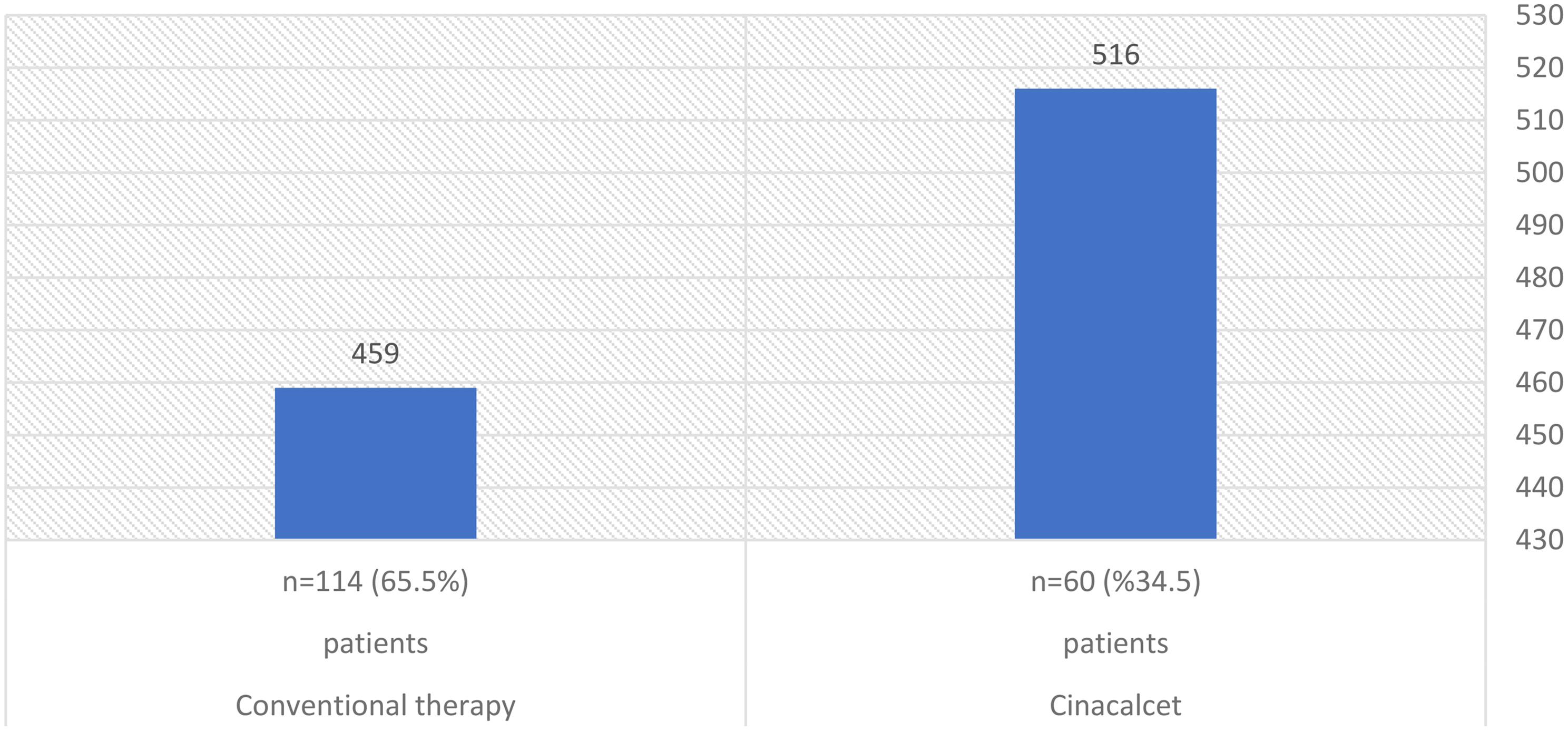
A total of 174 patients were included. Among them, 60 received cinacalcet in addition to conventional therapy (vitamin D analogs, phosphate binders, and dietary modifications), while 114 received conventional therapy alone. All patients were followed for a median of 12 months.
This setup allowed us to compare real-world outcomes between groups while capturing the diversity of patients encountered in daily practice.
Key Findings: Cardiovascular Benefits but Limited Survival Gains
Our results provided a nuanced picture:
Fewer Cardiovascular Events: Patients taking cinacalcet experienced significantly fewer cardiovascular complications. Specifically, the risk of coronary artery disease events such as unstable angina and myocardial infarction was reduced by 61%. This is a striking finding, considering that cardiovascular disease accounts for the vast majority of deaths in dialysis patients.
Reduced Hospitalizations: Cinacalcet was associated with a 69% reduction in the risk of first hospitalization from any cause. This highlights its potential to not only improve patient health but also reduce strain on hospital resources.
No Overall Survival Advantage: When looking at all-cause and cardiovascular mortality, cinacalcet did not significantly improve survival across the entire cohort. However, in patients whose CKD was caused by hypertension or a combination of diabetes and hypertension, cinacalcet was associated with a survival benefit. This suggests that specific subgroups may derive more benefit than others.
Bone Health: The incidence of bone fractures was not significantly different between groups. Yet, a protective trend appeared in older patients and males, though this did not reach statistical significance.
Behind the Scenes: Conducting the Research
Conducting this study was both rewarding and challenging. Our team relied heavily on electronic medical records, dialysis department logs, and input from nephrologists, which required meticulous data cleaning and harmonization to ensure accuracy across three different centers. Because cinacalcet was relatively new to the local hospital formulary at the time, we were able to clearly identify new users, providing a precise baseline for analysis—an advantage often missing in retrospective-only studies. Given that the data were not normally distributed, we applied non-parametric tests such as the Mann–Whitney U and chi-square tests, and employed Kaplan–Meier survival curves alongside Cox proportional hazards models to adjust for confounders including age, gender, PTH levels, and underlying CKD cause. Nonetheless, as with all observational studies, confounding cannot be entirely ruled out, and the 12-month follow-up period was relatively short to fully assess long-term outcomes such as mortality and fractures.
Challenges and Emotional Realities
Conducting research in dialysis centers is both professionally rewarding and emotionally taxing. During the study, 34 patients passed away, underscoring the high mortality inherent in this population. Researchers and healthcare providers must prepare for the emotional impact of such work. Strategies include building emotional resilience, seeking peer support, maintaining professional boundaries, practicing self-care, and focusing on the broader purpose of improving patient care. Acknowledging the human experience behind the data enhances the ethical and emotional foundation of research, fostering compassion alongside scientific rigor.
Why These Results Matter?
Our study is the first in Saudi Arabia to comprehensively evaluate the clinical outcomes of cinacalcet in patients with SHPT on dialysis.
The findings have several implications:
Clinical Practice: Nephrologists may consider cinacalcet not only for its biochemical effects but also for its ability to reduce cardiovascular events and hospitalizations.
Patient Subgroups: Special attention should be paid to patients with hypertension or diabetes plus hypertension, who may gain survival benefits from cinacalcet therapy.
Healthcare Systems: Fewer hospitalizations translate into reduced healthcare costs and resource utilization, a critical consideration in settings where dialysis services already strain budgets.
The Broader Debate: Lessons from EVOLVE and Beyond
Cinacalcet’s role in clinical outcomes has been debated for over a decade, especially after the EVOLVE trial in 2012 failed to show a clear survival advantage. Critics pointed to baseline imbalances and high dropout rates as possible explanations. Subsequent post-hoc analyses suggested that cinacalcet may indeed reduce certain cardiovascular outcomes, especially in older patients.
Our real-world findings contribute to this ongoing conversation. By focusing on an understudied population, we add evidence that cinacalcet may provide tangible benefits—even if not uniformly across all patient groups.
Looking Forward
This research is not the final word on cinacalcet but rather a stepping stone.
Future directions could include:
Larger, longer-term studies to confirm survival effects in specific subgroups.
Comparative studies of cinacalcet with newer agents.
Exploration of cost-effectiveness, given the dual burden of high CKD prevalence and limited healthcare resources in the Middle East.
Conclusion
In summary, our study revealed that cinacalcet reduces cardiovascular events and hospitalizations among Saudi hemodialysis patients with SHPT. While it did not improve overall survival, a benefit was observed in patients with hypertension-related CKD.
These findings highlight the importance of real-world evidence in complementing clinical trials and tailoring therapies to local populations. For clinicians, policymakers, and patients alike, the message is clear: cinacalcet remains a valuable tool in managing one of CKD’s most dangerous complications.

Follow the Topic
-
BMC Nephrology
This is an open access journal publishing original peer-reviewed research articles in all aspects of the prevention, diagnosis and management of kidney and associated disorders, as well as related molecular genetics, pathophysiology, and epidemiology.

Related Collections
With Collections, you can get published faster and increase your visibility.
Equity in kidney care access
In recent years, the field of nephrology has increasingly recognized the critical need for equitable access to kidney care. Healthcare disparities in nephrology represent significant unmet needs for diverse populations. Many patients face socioeconomic barriers that severely limit their access to essential services such as dialysis and transplant resources. Studies have demonstrated that individuals from lower socioeconomic backgrounds are less likely to receive timely referrals for nephrology services and experience poorer health outcomes. These disparities not only complicate clinical management but also exacerbate the overall public health burden associated with chronic kidney disease (CKD).
Researchers have begun exploring the impact of community-based approaches to kidney care, highlighting the importance of tailored patient education and culturally sensitive healthcare practices. Additionally, policy frameworks that promote inclusivity in kidney care have emerged, demonstrating a commitment to reducing barriers and ensuring that all individuals have access to necessary resources.
Advancements in telemedicine and mobile health technologies present new avenues for expanding access to nephrology services, particularly in underserved areas. Furthermore, investigating the role of social determinants of health will provide critical insights that can inform holistic strategies to improve kidney care equity.
Important topics of interest include but are not limited to:
- Socioeconomic barriers to dialysis
- Equitable distribution of transplant resources
- Policy frameworks for kidney care inclusivity
- Global access gaps in renal treatment
- Innovative community-based interventions
- Telemedicine in nephrology
- Social determinants of kidney health
This Collection supports and amplifies research related to SDG 3: Good Health and Well-being.
All manuscripts submitted to this journal, including those submitted to collections and special issues, are assessed in line with our editorial policies and the journal’s peer review process. Reviewers and editors are required to declare competing interests and can be excluded from the peer review process if a competing interest exists.
Publishing Model: Open Access
Deadline: Mar 26, 2027
Mental health integration in nephrology
The intersection of mental health and nephrology is gaining increasing recognition as a critical component of integrated patient care. Chronic kidney disease (CKD), along with treatments such as dialysis and kidney transplantation, is frequently associated with significant psychological distress, leading to poorer health outcomes. This Collection aims to explore the integration of mental health support within nephrology practices, addressing how psychological factors influence disease management and patient quality of life.
Recent advances in this field include the implementation of routine depression screening in dialysis settings and the development of integrated behavioral health models within nephrology clinics. These strategies have shown promise in addressing the psychological needs of patients and their family caregivers, fostering better adherence to treatment regimens, and ultimately improving physical and mental well-being among this population.
We welcome submissions including original research, reviews, and implementation studies. Topics of interest include, but are not limited to:
- Psychological support in CKD
- Depression screening in dialysis and transplant patients
- Integrated behavioral health in nephrology care
- Cognitive and behavioral interventions in CKD management
- Digital mental health interventions in nephrology
- Dyadic and family-based interventions in CKD management
This Collection supports and amplifies research related to SDG 3: Good Health and Well-being
All manuscripts submitted to this journal, including those submitted to collections and special issues, are assessed in line with our editorial policies and the journal’s peer review process. Reviewers and editors are required to declare competing interests and can be excluded from the peer review process if a competing interest exists.
Publishing Model: Open Access
Deadline: Jan 30, 2027