Remote intracranial hemorrhage after supratentorial and spinal surgery: a three case series and review of literature
Published in Physics, Research Data, and General & Internal Medicine
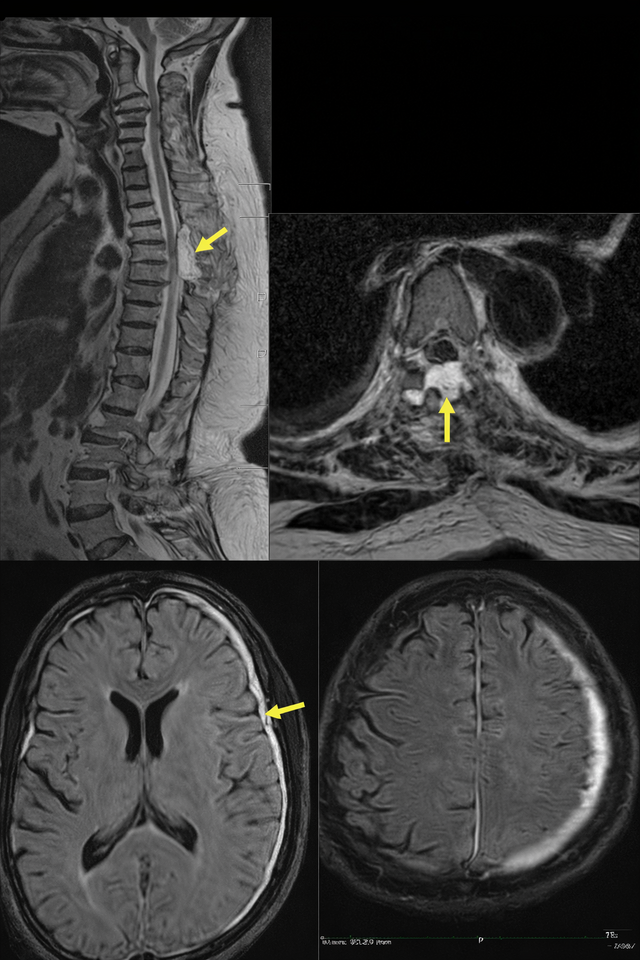


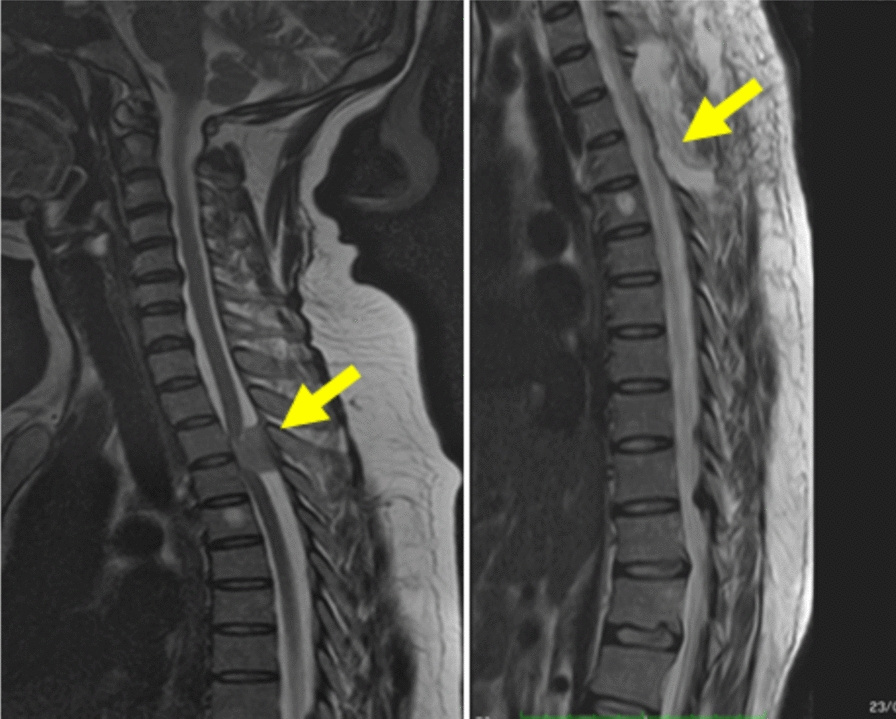

In routine clinical practice, these recurring uncertainties were most evident during real-time decision-making. Imaging appearances were often subtle or overlapping, and existing guidelines did not always provide sufficient clarity for specific clinical contexts. As a result, interpretation frequently relied on individual experience, leading to variability in assessment and downstream management.
The objective of this study was intentionally focused. Rather than pursuing novelty, we aimed to determine whether these imaging findings could be characterized in a way that was reproducible and clinically meaningful in everyday practice. Defining this scope required refinement, as early study designs were too broad and risked limiting practical applicability.
The study was designed as a retrospective analysis, which introduced predictable challenges. These included heterogeneous imaging protocols, variable reporting standards, incomplete documentation, and inconsistent follow-up. Instead of treating these factors solely as limitations, they were incorporated into the analytical framework. Emphasis was placed on imaging features that consistently influenced interpretation and clinical decisions across cases.
A key part of the process was internal critique. Repeated discussions within the team required every observation and conclusion to be defensible from a clinical standpoint. Findings that lacked reproducibility or practical relevance were revised or excluded. This approach helped shift the work from a descriptive exercise toward a more decision-oriented analysis.
Peer review further strengthened the manuscript. Reviewer feedback prompted clearer justification of methodological choices and more precise positioning of the study within existing literature. Addressing these comments improved both clarity and rigor.
This work reflects the everyday balance clinicians maintain between uncertainty and responsibility. By translating routine clinical observations into structured evidence, we hope to support more consistent interpretation and informed decision-making. We also hope this encourages others to examine recurring uncertainties in their own practice and address them through systematic research.

Follow the Topic
-
Egyptian Journal of Radiology and Nuclear Medicine

The Egyptian Journal of Radiology and Nuclear Medicine is a multidisciplinary open access journal focused on all aspects of diagnostic imaging.
Please sign in or register for FREE
If you are a registered user on Research Communities by Springer Nature, please sign in