SDG 3 Newsletter: Infectious Diseases
Published in Social Sciences, Microbiology, and Biomedical Research





What are we learning from the UK's Meningitis B outbreak?
An outbreak of Meningitis B rippled through the UK's student population in March. Have we learnt anything about how the public react to infectious disease outbreaks since Covid? UK readers, learn how to check if you're vaccinated. 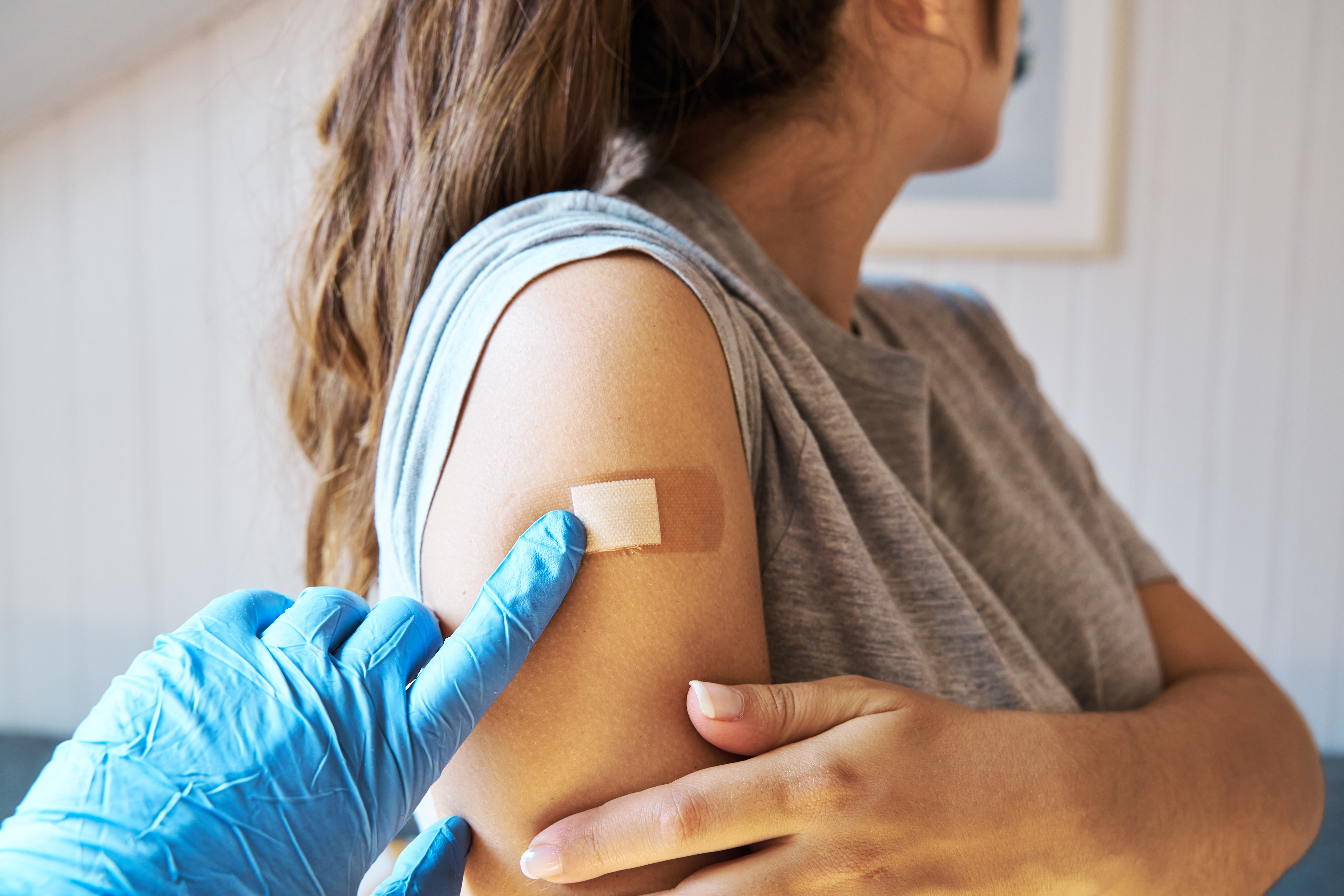
Regional bias in research on land use change, ecosystem restoration and zoonotic disease risk
Research has long shown that land use change can impact zoonotic disease transmission, but there is a regional bias across the literature leaving glaring gaps where research is needed most, in countries with high levels of land use change and high risk of zoonotic disease infection.
SDG3 and Me Video Series: Albert Osterhaus
Virologist and Editor-in-Chief of One Health Outlook, Professor Albert Osterhaus, discusses his research on virus discovery, particularly animal viruses that cross the species barrier to humans. Learn how his work supports intervention strategies such as new vaccines, which are key to achieving SDG 3 target 3.3 by 2030.

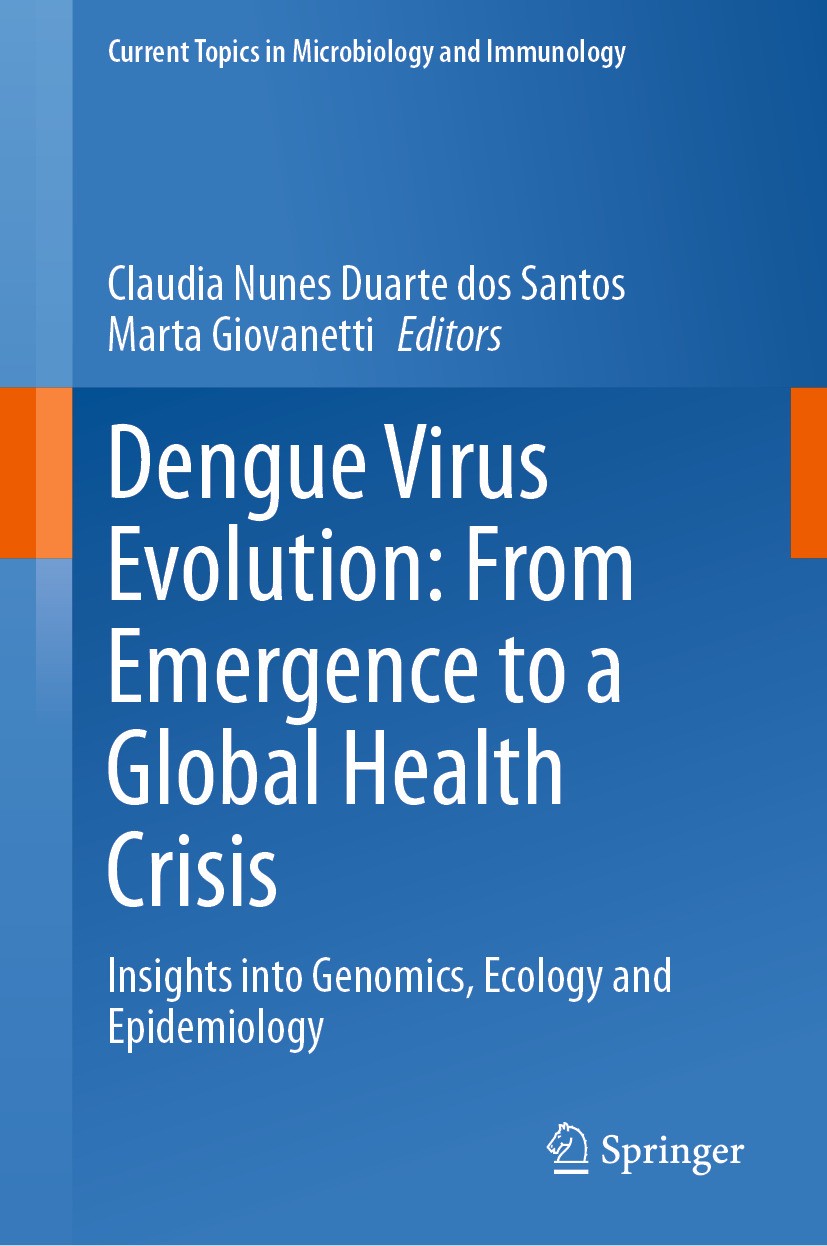
Book Q&A: Dengue Virus Evolution: From Emergence to a Global Health Crisis
As climate change has worsened, so has dengue. But there’s hope. In this blog, we hear from Dr Duarte dos Santos and Dr Giovanetti about dengue virus, their book's connection to SDG 3 and the next steps forward.
Advances in infectious disease diagnostics – how can they help us achieve SDG3.3?
Diagnostic tools for infectious diseases have advanced dramatically in recent years. How important are these tools in achieving SDG3.3, and which options should we invest in? Discover more in this blog.

SN BEN, SDG 3 & SDG 10: Ebola
Members of Springer Nature’s Black Employee Network (SN BEN) explore how Ebola virus disease disproportionately affects African communities, and how collective action with charities and public awareness can help destigmatise Ebola and advance good health (SDG 3) and reduced inequalities (SDG 10).
BMC Global and Public Health: Infectious Diseases and SDG 3
As global health is called into focus, don't miss this blog championing some of BMC Global and Public Health's key infectious disease publications.
Nature & BMC Collections: health policy, digital and personalised medicine
Researchers, don’t miss these open collections. Two blogs from Nature Communications and npj journals showcase collections focusing on health policy and digital medicine. Meanwhile, BMC Infectious Diseases calls for submissions to Collections on personalised medicine, HIV, malaria, and tropical vector‑borne diseases.
Documenting Disruption: Harm Reduction Research on Infectious Disease is Urgently Needed
Global health gains are being undone by aid cuts, conflict and political retreat. Harm Reduction Journal is calling for content to document the impact on infectious disease.
In other news...
A call to action from the Global Think-tank on Steatotic Liver Disease
SLD is no longer an emerging issue. It is an established component of the global metabolic public health threat. The question is not whether solutions exist, but whether they will be implemented at scale. Learn more about the authors' publication in this blog.
European Public Health Week 4-8 May
Want to write a blog about your research? Wish to highlight a public health cause close to your heart? Contact us last-minute to contribute a blog for our campaign, which goes live next week! Email campaign lead Alex Goodridge at alex.goodridge@springernature.com
Get involved!
If you would like to be involved with our SDG 3 initiatives, contact me or Virginia Mercer. Follow me, Alice Coe, on Research Communities to be notified of future SDG 3 newsletters.
With special thanks to this newsletter's 20 contributors: Anthony Armenta, Freyja Austin, Binta Bah, Vivian Bai, Emma Brode, Emma Campbell, Rebecca Chen, Ben Cranfield, India Sapsed-Foster, Louis Gautier, Dr Marta Giovanetti, Sophie Gray, Natasha Hirst, Amy Joint, Abiola Lawal, Dr Jeffrey Lazarus, Virginia Mercer, Dr Claudia Nunes Duarte dos Santos, Will Shadbolt and Rebecca Shen
Follow the Topic
-
BMC Global and Public Health
An open access, transparent peer review journal publishing outstanding and influential research and opinion of broad interest to all professional communities involved in global and public health research, policy-making, implementation and delivery worldwide.
-
BMC Infectious Diseases
This journal is an open access, peer-reviewed journal that considers articles on all aspects of the prevention, diagnosis and management of infectious and sexually transmitted diseases in humans, as well as related molecular genetics, pathophysiology, and epidemiology.
-
Nature Communications
An open access, multidisciplinary journal dedicated to publishing high-quality research in all areas of the biological, health, physical, chemical and Earth sciences.
-
Journal of Epidemiology and Global Health
The journal aims to impact global epidemiology and international health with articles focused on innovative scholarship and strategies to advance global health policy.
-
One Health Outlook
This journal is a new open access journal published by BMC in collaboration with the Global One Health Community.
-
Harm Reduction Journal
This journal publishes research and commentary on approaches diminishing the harm of stigmatization, marginalization and criminalization of public health, human rights and social justice issues, as well as rebuking the de facto criminalization of marginalized and stigmatized communities.
-
Nature Health
Nature Health publishes health research across the medical, social and environmental sciences and requires meaningful engagement with research participants and their communities.
-
Communications Health
This is an open access journal from Nature Portfolio publishing high-quality research, reviews and commentary in all population health-related areas of research.








Related Collections
With Collections, you can get published faster and increase your visibility.
Repairable damage: harm reduction and US policy
Recent shifts in US policy and the approach to public health have placed renewed pressure on communities that already face significant health and social challenges. Policy decisions increasingly prioritize criminalization or abstinence-based strategies over interventions that have been consistently shown to reduce harm. These choices reflect a broader trend of sidelining empirical evidence, with real-world consequences for public health.
As a result, morbidity and mortality have increased among people who use drugs, experience homelessness, or who are involved in the US criminal justice system. Rates of preventable illness and infectious disease are also rising. Rhetoric and stigma further undermine public trust and discourage engagement with health services, disproportionately affecting marginalized populations.
Harm Reduction Journal has commissioned a collection of articles to highlight how evidence-based harm reduction strategies – grounded in science, dignity and practical outcomes – can inform more effective, humane public health responses.
This Collection supports and amplifies research related to SDG 3, Good Health and Well-Being, SDG 5, Gender Equality, SDG 10, Reduced Inequalities, and SDG 16, Peace, Justice and Strong Institutions.
All submissions in this collection undergo the journal’s standard peer review process. Similarly, all manuscripts authored by a Guest Editor(s) will be handled by the Editor-in-Chief. As an open access publication, this journal levies an article processing fee (details here). We recognize that many key stakeholders may not have access to such resources and are committed to supporting participation in this issue wherever resources are a barrier. For more information about what support may be available, please visit OA funding and support, or email OAfundingpolicy@springernature.com or the Editor-in-Chief.
Publishing Model: Open Access
Deadline: Aug 18, 2026
Advances in malaria control and elimination
BMC Global and Public Health is calling for submissions to our Collection on innovative approaches to combating one of the world’s most persistent health challenges. This Collection seeks to explore scientific, policy, and community-driven advancements aimed at achieving sustainable solutions for malaria elimination and improving the lives of affected populations.
The goal of this Collection is to highlight progress, identify remaining challenges, and showcase actionable strategies to support malaria elimination efforts. Topics of interest include but are not limited to:
Development and deployment of new antimalarial drugs and vaccines
Innovative diagnostic tools and technologies for malaria detection
Community-based interventions to enhance prevention and treatment uptake
Evaluation of insecticide resistance and vector control programs
Policy and governance frameworks to strengthen malaria elimination efforts
Economic and social analyses of malaria programs and their sustainability
Addressing health equity and access disparities in malaria-endemic regions
We encourage work from local, regional, national, and global partnerships and collaboration among multidisciplinary scientists using multiple methodologies. We ask that authors be careful to use non-stigmatizing/preferred language in their manuscripts as outlined in relevant language guidelines for their respective fields.
This Collection supports and amplifies research related to SDG 3: Good Health and Well-being.
All manuscripts submitted to this journal, including those submitted to collections and special issues, are assessed in line with our editorial policies and the journal’s peer-review process. Reviewers and editors are required to declare competing interests and can be excluded from the peer review process if a competing interest exists.
Publishing Model: Open Access
Deadline: May 06, 2026


Please sign in or register for FREE
If you are a registered user on Research Communities by Springer Nature, please sign in