Sex and Gender Shape Health—Time for Science to Establish Clarity
Published in Protocols & Methods, Research Data, and Biomedical Research
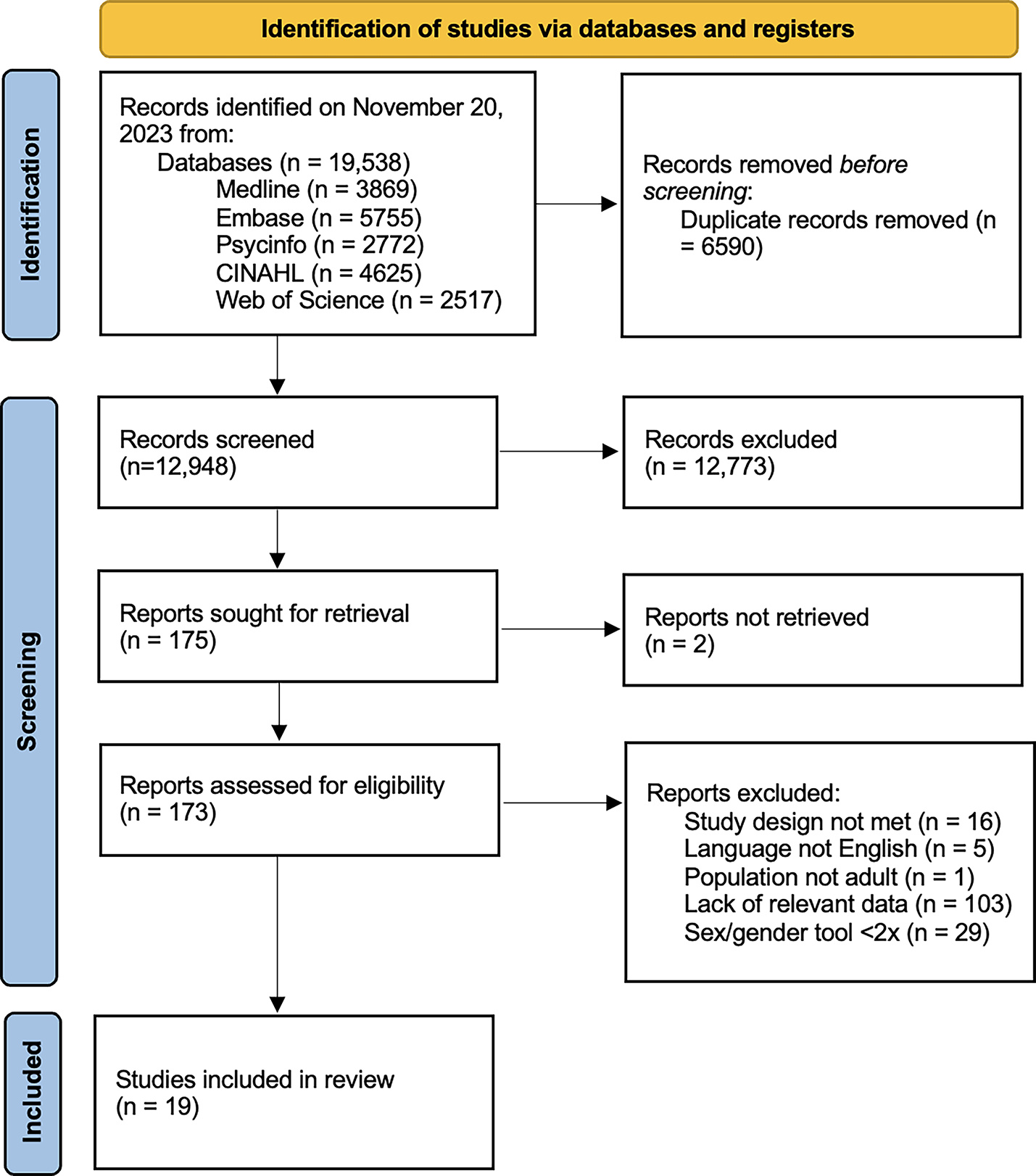

Our research team from the University of Toronto and the KITE Toronto Rehabilitation Institute, Canada, synthesized evidence from 19 observational studies involving more than 643,000 adults. Unlike previous reviews that focused on binary sex or gender categories, we examined measurable attributes of sex - such as hormone levels and polygenic scores - as well as gender identity, roles, and adherence to masculine or feminine norms, across 34 health outcomes. Our goal was to identify which aspects of sex and gender matter for clinical decision-making.
The evidence revealed clear sex-specific health effects. Testosterone, for instance, was linked to sexual and reproductive health, mental well-being, and certain cancers. However, differences between total and bioavailable testosterone highlight the urgent need for greater precision in measuring hormonal effects on health.
Our results also highlighted the critical role of gender norms. Adherence to masculine norms and stress from role discrepancies were linked to depression, anxiety, and cardiovascular risk in men. Research on feminine gender norms remains limited, reflecting a persistent androcentric bias in the evidence base. Addressing this gap is essential for advancing precision medicine and equitable health care.
Our results reinforce the importance of measuring attributes of sex and gender together. Health is shaped not only by physical and physiological traits but also by peoples' roles, norms, and social relationship. To make precision medicine effective for all, future scientific research must study sex and gender jointly, rather than treating them as separate or binary categories, recognizing the diversity of both biological traits and gender expression, and that health reflects the deeply interconnected effects of sex and gender.

Follow the Topic
-
Biology of Sex Differences
This journal is unlike any other scientific journal: articles focus on sex differences in all aspects of an individual or organism. Everything from molecules to behavior and from studies of cellular function to clinical research studies are reported in this journal.

Related Collections
With Collections, you can get published faster and increase your visibility.
Sex Differences in Metabolic Regulation and End-Organ Damage
Sex differences profoundly influence endocrine and metabolic regulation, shaping disease susceptibility, progression, and therapeutic responses. This Collection aims to highlight how hormonal and metabolic interactions contribute to sex-specific pathophysiology across a range of endocrine disorders and associated systemic complications.
Research topics of interest include mechanisms and therapies addressing hormonal and metabolic dysregulation observed in conditions such as polycystic ovary syndrome (PCOS), metabolic syndrome, diabetic nephropathy, thyroid disorders, Cushing’s syndrome, and hyperaldosteronism. Emphasis is also placed on how these disorders impact multiple organ systems including the cardiovascular and renal systems, resulting in sex-specific patterns of end-organ injury and disease progression. Original research, clinical trials, translational studies, and comprehensive reviews are welcome.
Subtopics include, but are not limited to:
- Hormonal regulation of glucose and lipid metabolism by estrogens, androgens, and progesterone
- Sex-specific metabolic adaptations in obesity, diabetes, and cardiovascular disease
- Neuroendocrine and inflammatory mechanisms linking hormones to metabolic dysregulation
- Cardiovascular and renal complications of endocrine dysfunction
- Neuroendocrine control of metabolic homeostasis
- Endocrine disorders with metabolic manifestations
- Sex-based differences in drug response and therapeutic outcomes
All submissions in this Collection undergo the journal’s standard peer review process. Similarly, all manuscripts authored by a Guest Editor(s) will be handled by the Editor-in-Chief. As an open access publication, this journal levies an article processing fee (details here). We recognize that many key stakeholders may not have access to such resources and are committed to supporting participation in this issue wherever resources are a barrier. For more information about what support may be available, please visit OA funding and support, or email OAfundingpolicy@springernature.com or the Editor-in-Chief.
Publishing Model: Open Access
Deadline: Nov 04, 2026
Sex Differences in Cardiovascular Disease
Sex differences play a crucial role in the development, presentation, and treatment of cardiovascular disease. Despite growing recognition of these differences, major gaps remain—particularly in understanding how biological sex and gender influence risk, diagnostics, disease mechanisms, and therapeutic outcomes. This Collection aims to address these gaps by bringing together high-quality research that advances sex-specific and gender-aware cardiovascular science.
Key areas of interest include the impact of hormonal transitions such as menopause, pregnancy-associated cardiovascular conditions, and the distinct mechanisms underlying female-predominant conditions such as HFpEF and microvascular dysfunction. Understanding these processes is essential for developing accurate risk prediction models and personalised treatment strategies.
Persistent gender disparities in diagnosis, management, and access to care also contribute to poorer outcomes—issues that remain central to achieving equitable cardiovascular health. By encouraging research across these domains, this Collection aims to support scientific progress and clinical innovation that benefit individuals of all sexes.
Possible topics include but are not limited to:
- Menopause and cardiovascular risk
- Pregnancy-associated cardiovascular disease
- Sex differences in heart failure with preserved ejection fraction (HFpEF)
- Sex differences in arrhythmias
- Microvascular dysfunction in women
- Sex-specific platelet reactivity
- Gender disparities in cardiovascular treatment
- Sex-specific cardiovascular risk prediction models
This Collection supports and amplifies research related to SDG 3, Good Health and Well-Being.
All submissions in this Collection undergo the journal’s standard peer review process. Similarly, all manuscripts authored by a Guest Editor(s) will be handled by the Editor-in-Chief. As an open access publication, this journal levies an article processing fee (details here). We recognize that many key stakeholders may not have access to such resources and are committed to supporting participation in this issue wherever resources are a barrier. For more information about what support may be available, please visit OA funding and support, or email OAfundingpolicy@springernature.com or the Editor-in-Chief.
Publishing Model: Open Access
Deadline: Mar 16, 2027