Sex and Gender Shape Health—Time for Science to Establish Clarity
Published in Protocols & Methods, Research Data, and Biomedical Research
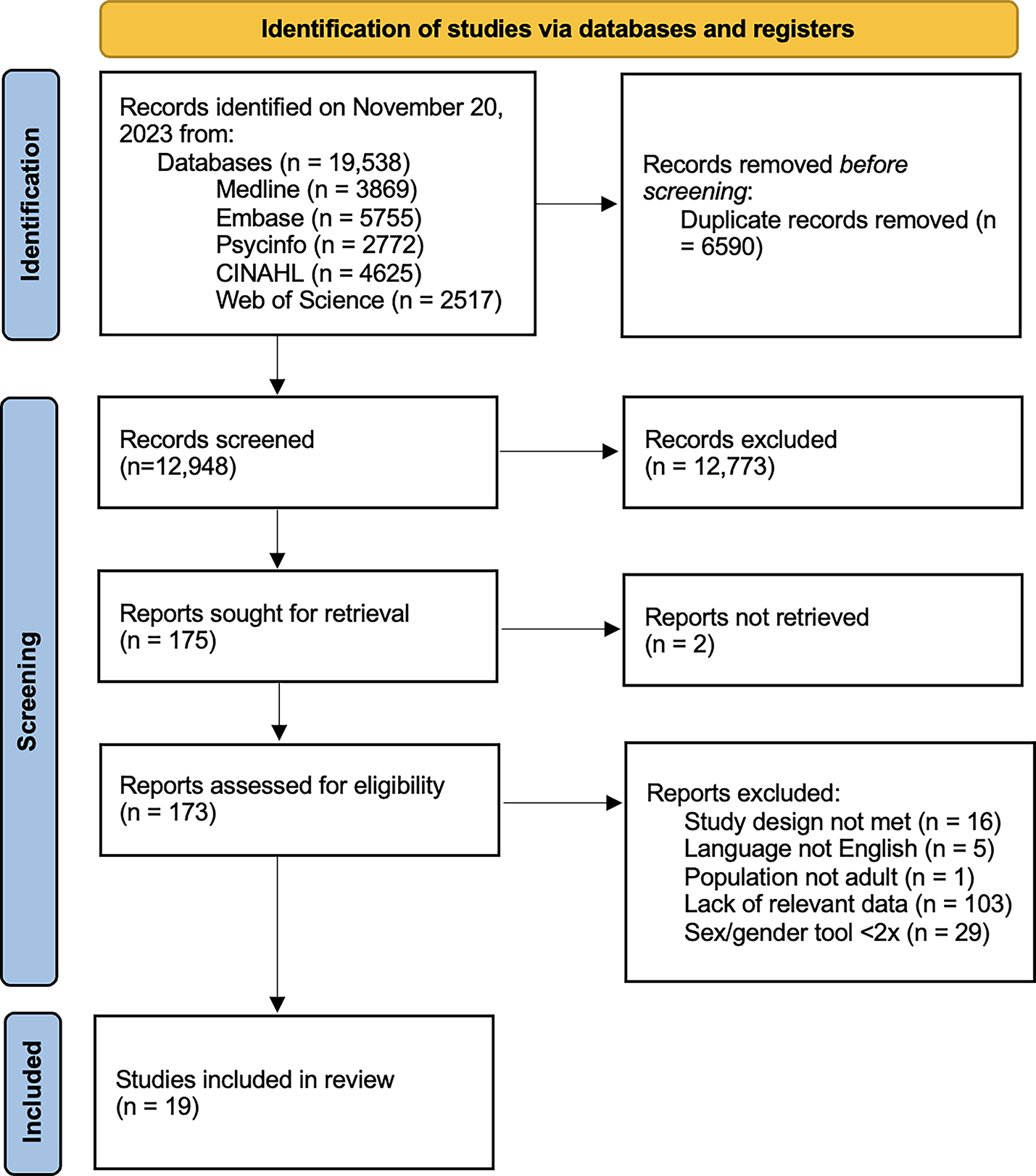

Our research team from the University of Toronto and the KITE Toronto Rehabilitation Institute, Canada, synthesized evidence from 19 observational studies involving more than 643,000 adults. Unlike previous reviews that focused on binary sex or gender categories, we examined measurable attributes of sex - such as hormone levels and polygenic scores - as well as gender identity, roles, and adherence to masculine or feminine norms, across 34 health outcomes. Our goal was to identify which aspects of sex and gender matter for clinical decision-making.
The evidence revealed clear sex-specific health effects. Testosterone, for instance, was linked to sexual and reproductive health, mental well-being, and certain cancers. However, differences between total and bioavailable testosterone highlight the urgent need for greater precision in measuring hormonal effects on health.
Our results also highlighted the critical role of gender norms. Adherence to masculine norms and stress from role discrepancies were linked to depression, anxiety, and cardiovascular risk in men. Research on feminine gender norms remains limited, reflecting a persistent androcentric bias in the evidence base. Addressing this gap is essential for advancing precision medicine and equitable health care.
Our results reinforce the importance of measuring attributes of sex and gender together. Health is shaped not only by physical and physiological traits but also by peoples' roles, norms, and social relationship. To make precision medicine effective for all, future scientific research must study sex and gender jointly, rather than treating them as separate or binary categories, recognizing the diversity of both biological traits and gender expression, and that health reflects the deeply interconnected effects of sex and gender.

Follow the Topic
-
Biology of Sex Differences

This journal is unlike any other scientific journal: articles focus on sex differences in all aspects of an individual or organism. Everything from molecules to behavior and from studies of cellular function to clinical research studies are reported in this journal.
Related Collections
With Collections, you can get published faster and increase your visibility.
Sex differences in neurodegenerative diseases
Biology of Sex Differences invites authors to submit articles exploring the mechanisms underlying sex differences in neurodegenerative diseases. This Collection seeks to highlight how biological sex influences the risk, progression, and treatment responses in conditions such as Alzheimer’s disease, Parkinson’s disease, amyotrophic lateral sclerosis, and multiple sclerosis. Topics may include, but are not limited to, sex-specific variations in genetic risk factors, hormonal influences, immune responses, neuroinflammation, metabolic and vascular contributions, as well as pharmacological interventions and treatment outcomes. Submissions addressing gender differences should consider gender as a contributing factor, distinct from biological sex. The Collection welcomes diverse article types, including original research, reviews, meta-analyses, perspectives, and commentaries. Through this Collection, we aim to advance understanding of the complex interplay between sex/gender and neurodegenerative diseases, fostering innovations in diagnosis, treatment, and prevention strategies. We encourage submissions from researchers across fields to contribute to this important area of investigation.
All submissions in this collection undergo the journal’s standard peer review process. Similarly, all manuscripts authored by a Guest Editor(s) will be handled by the Editor-in-Chief. As an open access publication, this journal levies an article processing fee (details here). We recognize that many key stakeholders may not have access to such resources and are committed to supporting participation in this issue wherever resources are a barrier. For more information about what support may be available, please visit OA funding and support, or email OAfundingpolicy@springernature.com or the Editor-in-Chief.
Publishing Model: Open Access
Deadline: Feb 27, 2026
Organization for the Study of Sex Differences (OSSD) 19th Annual Meeting
Biology of Sex Differences is calling for submissions to our Collection featuring the Organization for the Study of Sex Differences (OSSD) 19th Annual Meeting.
This Collection is invite-only and will not accept submissions from non-invited authors.
Sex and gender differences are increasingly recognized as critical determinants of health and disease across all areas of biomedical research and clinical care. This upcoming Collection highlights cutting-edge research presented at the 2025 Organization for the Study of Sex Differences (OSSD) meeting in Albuquerque, USA. The selected contributions showcase innovative work from leading investigators exploring how sex and gender influence biological mechanisms, disease presentation, treatment response, and health outcomes.
All submissions in this collection undergo the journal’s standard peer review process. Similarly, all manuscripts authored by a Guest Editor(s) will be handled by the Editor-in-Chief. As an open access publication, this journal levies an article processing fee (details here). We recognize that many key stakeholders may not have access to such resources and are committed to supporting participation in this issue wherever resources are a barrier. For more information about what support may be available, please visit OA funding and support, or email OAfundingpolicy@springernature.com or the Editor-in-Chief.
Publishing Model: Open Access
Deadline: Mar 07, 2026
Please sign in or register for FREE
If you are a registered user on Research Communities by Springer Nature, please sign in