Sex-specific association between maternal childhood adversities and offspring’s weight gain in a Brazilian cohort
Published in Neuroscience, General & Internal Medicine, and Paediatrics, Reproductive Medicine & Geriatrics

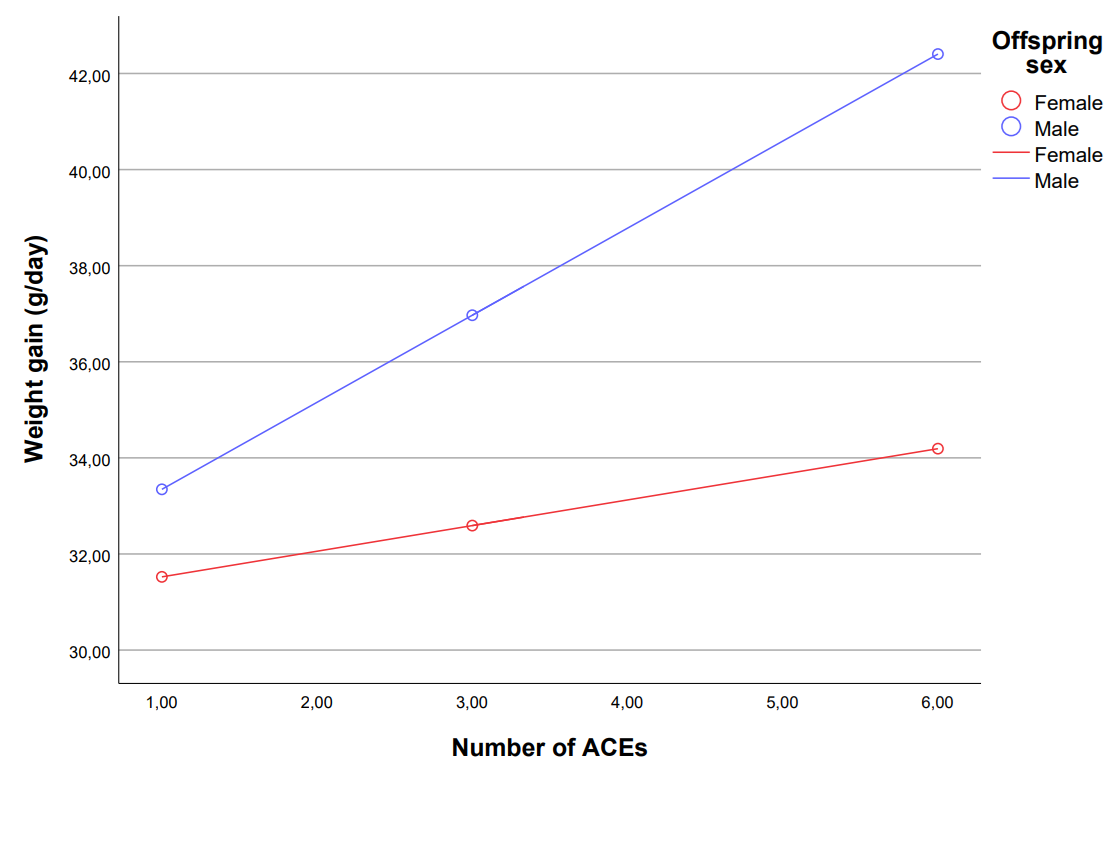



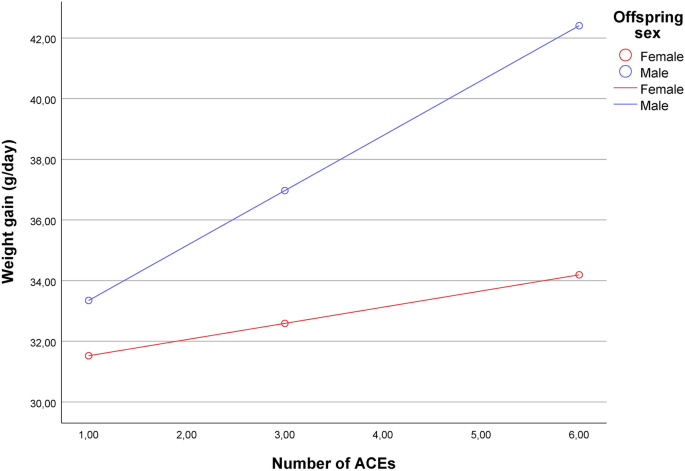

Adverse Childhood Experiences (ACEs) have been associated with various negative effects on health and the development of subsequent generations. However, the specific impact of maternal ACEs on infant weight gain during the first few months of life—and potential differences between male and female infants—remains an underexplored area in scientific literature. This study aimed to investigate the relationship between maternal ACEs and infant weight gain in a sample of 352 full-term newborns and their mothers, all from low-risk pregnancies within a low-income population in Brazil, with a particular focus on potential sex differences in infants.
Studies conducted in Brazil, a lower-middle-income country, have shown that more than 80% of the population has experienced at least one adverse event in childhood, a rate significantly higher than that of developed countries, where the prevalence does not exceed 50%. In Brazil, ACEs are strongly correlated with socioeconomic and racial factors. The majority of the Brazilian population consists of individuals of Black or multiracial descent, and studies indicate that these groups are more likely to experience multiple adversities in childhood.
Conducted in low-income Brazilian communities, this study included 352 full-term newborns and their mothers, all with low-risk pregnancies. The primary aim was to assess the relationship between maternal ACEs and infant weight gain during the first two months of life. Anthropometric data (weight, length, and head circumference) was collected at three key time points: at birth (W0), at hospital discharge (W1), and between 2 to 8 weeks of life (W2).
ACEs were assessed using the CDC-Kaiser Questionnaire, which measures the number and types of adversities the mother experienced during childhood. The average ACEs number for the mothers was 3.5, reflecting a high prevalence of childhood trauma and adversity among the participants. Weight gain during the study period was calculated by taking the difference between weight at W2 and W1, divided by the number of days between the two measurements, allowing the researchers to determine the daily weight gain for each infant.
The study aimed to answer two key questions: first, whether maternal ACEs influence infant weight gain, and second, whether this effect differs between male and female infants.
The findings revealed a positive association between maternal ACEs and infant weight gain, particularly in male infants. For each additional point in the ACEs score, weight gain increased by an average of 1.8 grams per day in males, while no significant effect was found for female infants. This suggests that male infants may be more vulnerable to the physiological consequences of maternal adversities, which could lead to increased weight gain. Over time, this may increase the risk for childhood obesity and other metabolic disorders.
This study provides valuable insights into the complex relationship between maternal ACEs and child health. It suggests that maternal childhood trauma, especially in low-income settings, can significantly impact infant weight gain, with the effect being more pronounced in male infants. These results underscore the need for further research to explore the underlying biological and neurodevelopmental mechanisms involved.
Follow the Topic
-
Scientific Reports
An open access journal publishing original research from across all areas of the natural sciences, psychology, medicine and engineering.

Related Collections
With Collections, you can get published faster and increase your visibility.
Healthy Aging
Publishing Model: Open Access
Deadline: Dec 31, 2026
Kidney Disease and Health
Publishing Model: Open Access
Deadline: Oct 22, 2026