Simvastatin induces cell cycle arrest and inhibits proliferation of bladder cancer cells via PPARγ signalling pathway
Published in Cancer and Anatomy & Physiology




Bladder cancer (BLCA) is a common cancer of the urinary system. About 70% of patients have a form of the disease that has not spread into the muscle. However, even after treatments like surgery and chemotherapy, BLCA often comes back and can get worse, spreading into the muscle and becoming harder to treat with poorer outcomes.
For severe cases, the main treatment is a major surgery called radical cystoprostatectomy, but it can lead to many complications [1]. Therefore, finding new ways to prevent BLCA from getting worse is crucial.
Researchers have identified several risk factors for BLCA, including aging, smoking, and exposure to certain chemicals. Diet also plays a role, with high cholesterol and fatty acid intake linked to an increased risk of BLCA and other cancers [2]. Cholesterol and fatty acids in cells help cancer cells grow and spread, which might also make them resistant to chemotherapy [3].
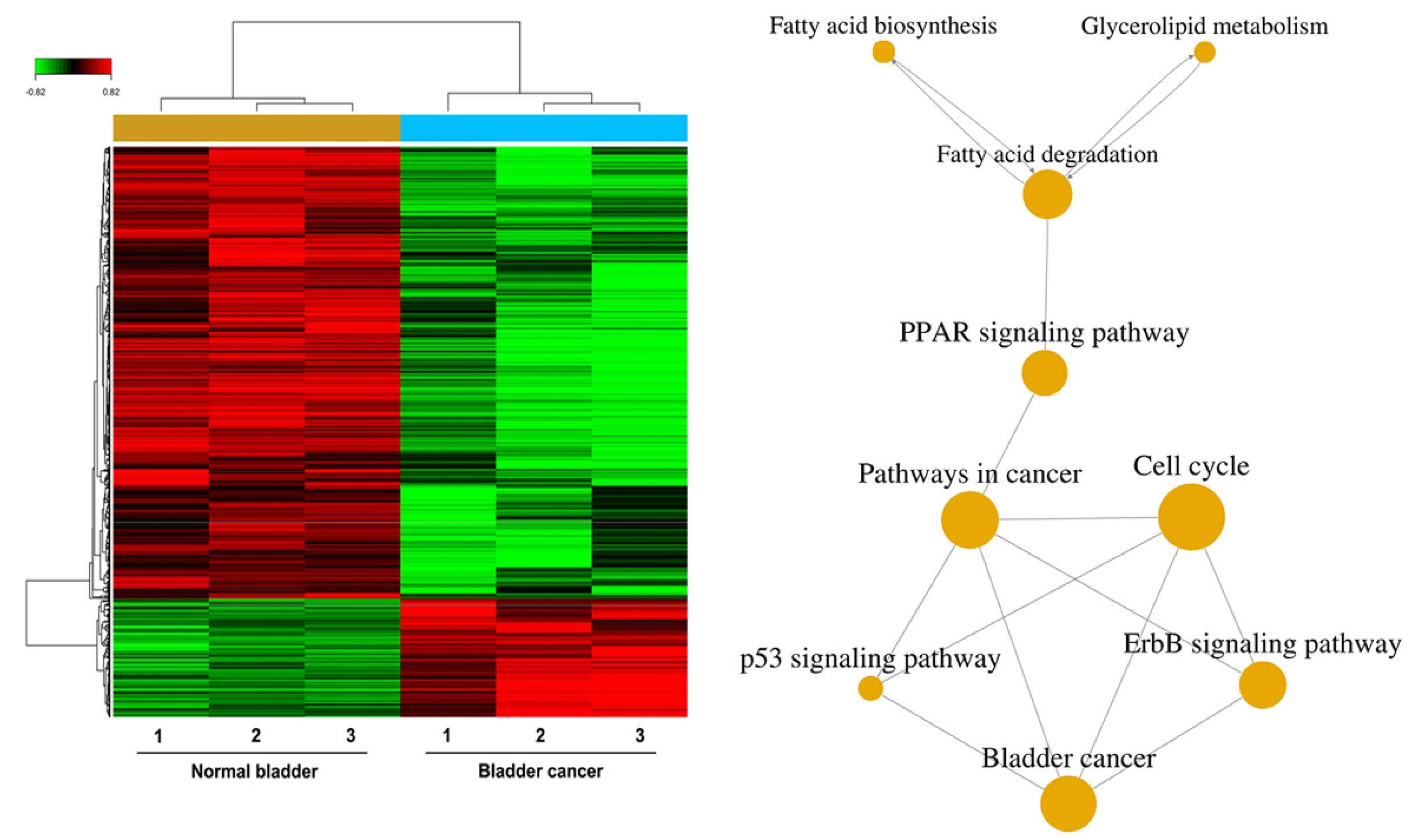
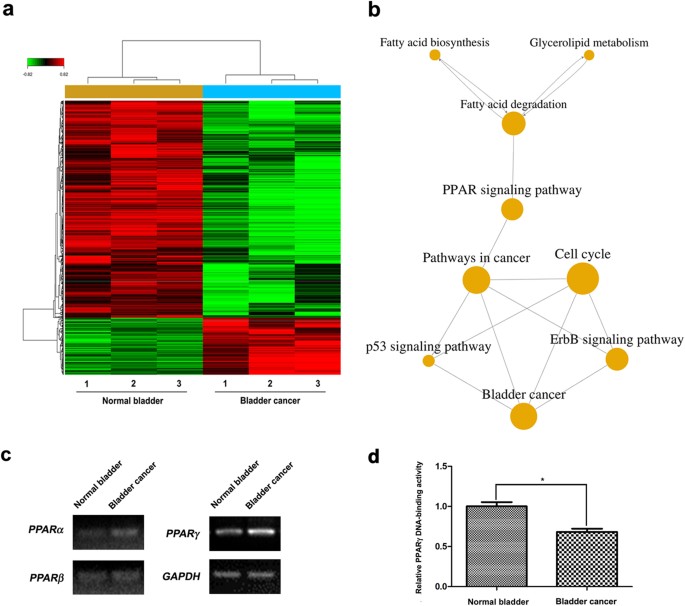
In our study, we looked at bladder cancer tissues and compared them to normal bladder tissues. This helped us map out a network of pathways related to fatty acid and lipid metabolism in the cells, focusing on something called the Peroxisome Proliferator-Activated Receptor (PPAR) signaling pathway. PPARs are important regulators in our cells that control how cells grow, develop, and manage lipid metabolism, which could be key in cancer development.
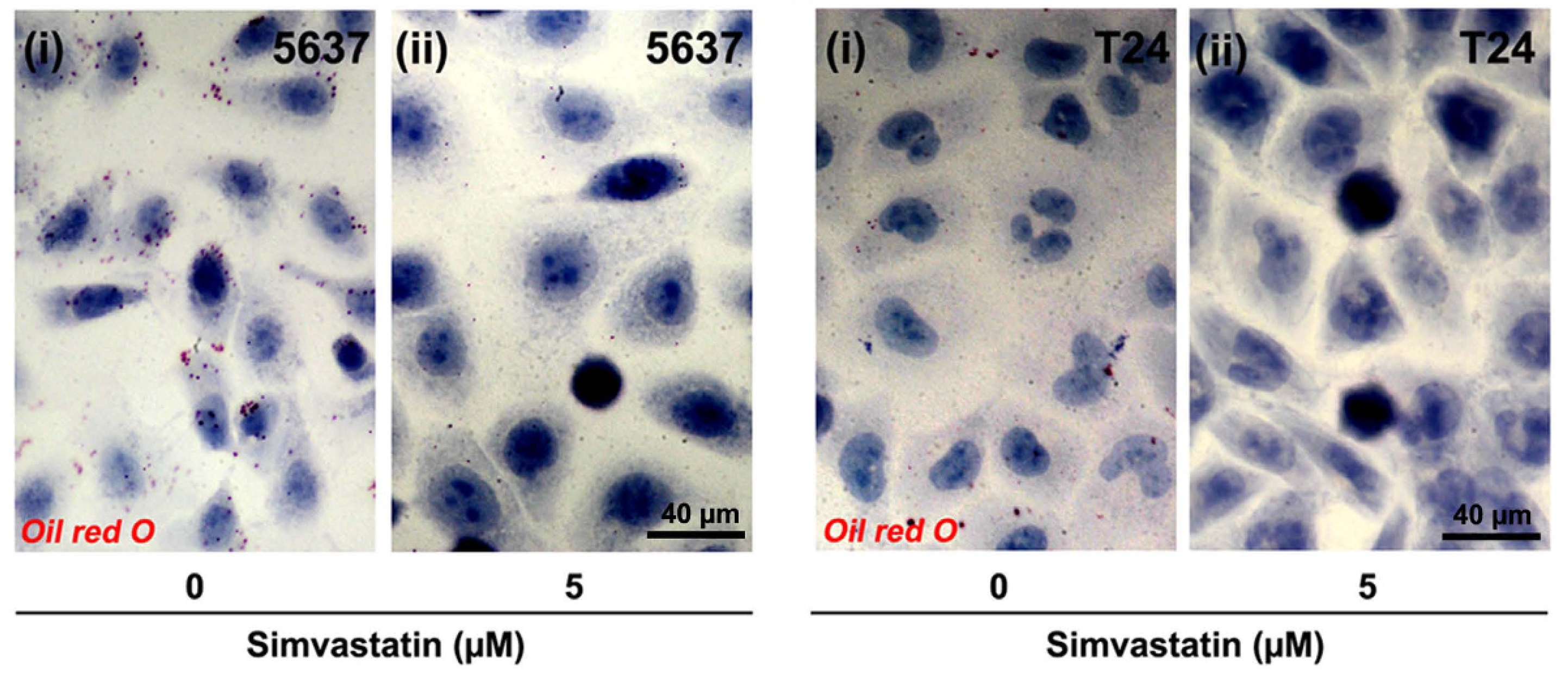
Statins, drugs primarily used to lower cholesterol in patients with heart disease, are now showing promise in cancer treatment because they can help stop the growth and spread of cancer cells. Specifically, we are studying how simvastatin, a common statin, affects bladder cancer cells. It seems to work by interacting with PPARs and might change how cells handle lipids and respond to stress, which could make it a useful treatment for BLCA.
By combining PPAR-activating drugs with simvastatin, we hope to find effective new treatments for bladder cancer based on how these drugs impact lipid metabolism and cancer cell behavior.
References
[1] Stein, J. P. et al. Radical cystectomy in the treatment of invasive bladder cancer: long-term results in 1,054 patients. J Clin Oncol. 19, 666-675 (2001).
[2] Burger, M. et al. Epidemiology and risk factors of urothelial bladder cancer. Eur Urol. 63, 234-241 (2013).
[3] Hu, J. et al. Dietary cholesterol intake and cancer. Ann Oncol. 23, 491-500 (2012).
Follow the Topic
-
Scientific Reports
An open access journal publishing original research from across all areas of the natural sciences, psychology, medicine and engineering.

Related Collections
With Collections, you can get published faster and increase your visibility.
Cancer Prevention and Control
Publishing Model: Hybrid
Deadline: Feb 19, 2027
Healthy Aging
Publishing Model: Open Access
Deadline: Dec 31, 2026