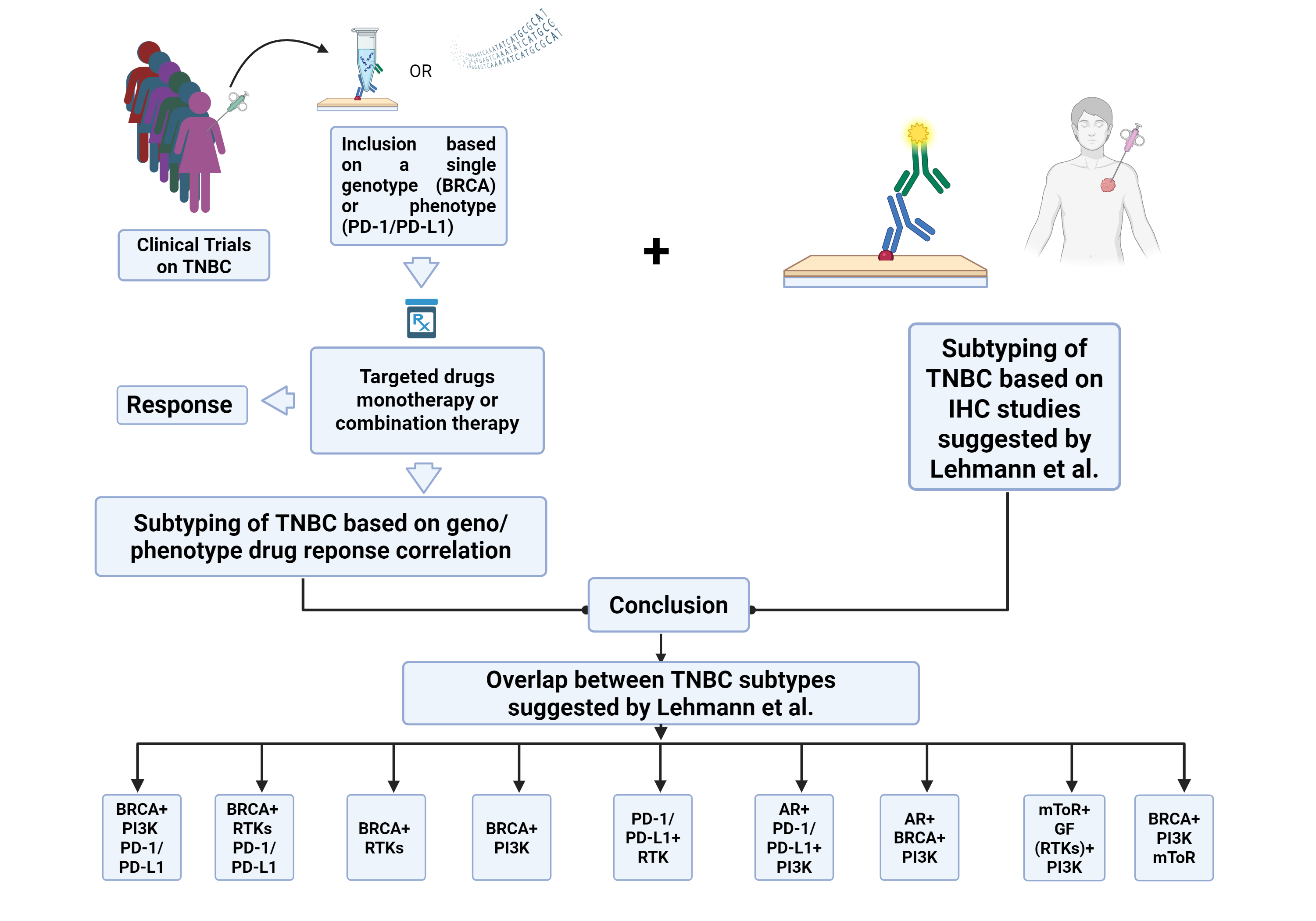
Targeted Therapy is the potential and adequate sub-typing is the way
Published in Cancer, Biomedical Research, and General & Internal Medicine

Follow the Topic
-
Discover Oncology
This is a fully open access general oncology journal that aims to provide a unified forum for researchers and clinicians. The journal spans from basic and translational science, to preclinical, clinical, and epidemiology, and welcomes content that interfaces at all levels of cancer research.

Related Collections
With Collections, you can get published faster and increase your visibility.
Advanced in Therapy Targeting Cancer and Cancer Stem Cells [Volume II]
This Collection is dedicated to exploring the intricate landscape of cancer, with a special emphasis on cancer stem cells, reactive oxygen species (ROS), antioxidants, and the crucial roles of endoplasmic reticulum stress and oxidative stress in the progression and treatment of cancer. It seeks to uncover the complex biological mechanisms and pathways that are fundamental to the onset, development, and persistence of cancer, spotlighting the pivotal science behind cancer stem cells. These cells, a small but significantly impactful subset within tumors, have the capacity for self-renewal and are key drivers of tumor growth and metastasis, thereby playing a crucial role in the challenge of combating cancer recurrence. Additionally, the Collection delves into the nuanced role of ROS, which serves not only as agents of cellular damage but also as essential signaling molecules that can promote or inhibit cancer progression. This exploration sheds light on the delicate balance between oxidative stress and the body's antioxidant defenses, which is vital in the development and progression of cancer.
Moreover, this Collection investigates the impact of oxidative stress and endoplasmic reticulum stress on cellular health, particularly focusing on how an imbalance in ROS can lead to DNA damage, and how stress from misfolded proteins can trigger cellular responses that affect cell survival, apoptosis, and cancer development. These discussions aim to connect these stress mechanisms to the broader understanding of cancer biology.
Intended for researchers, clinicians, and students, this collection provides a comprehensive overview of current research findings and theoretical models at the intersection of cancer biology and cellular stress mechanisms. It aims to offer insights into potential therapeutic targets and interventions, with a pronounced emphasis on the role and therapeutic potential of targeting cancer stem cells. This focus is envisioned to contribute significantly to the development of more effective treatments for cancer, addressing both its onset and recurrence.
Keywords: cancer, cancer stem cells, reactive oxygen species, antioxidants, endoplasmic reticulum stress, oxidative stress
Publishing Model: Open Access
Deadline: Aug 31, 2026
Tumor Metabolism and Microenvironmental Adaptations: Emerging Targets for Cancer Therapy
Tumor cells thrive in hostile environments by rewiring their metabolism and dynamically adapting to microenvironmental stressors such as hypoxia, nutrient deprivation, acidosis, and immune surveillance. These metabolic adaptations not only support survival and proliferation, but also contribute to immune evasion, metastasis, and resistance to therapy. Simultaneously, the tumor microenvironment (TME), composed of stromal, endothelial, and immune cells, actively participates in shaping these metabolic landscapes through complex signaling and metabolic crosstalk.
This Collection aims to explore the intricate interplay between tumor metabolism and the TME, highlighting how these adaptive mechanisms can be exploited as novel therapeutic opportunities. We welcome original research articles and reviews that address, but are not limited to, topics such as metabolic plasticity in cancer, immunometabolism, metabolic interactions within the TME, hypoxia-driven pathways, metabolic targets in drug-resistant tumors, and innovative therapeutic strategies aimed at disrupting tumor metabolic networks. Submissions focusing on translational approaches or integrating multi-omics data to uncover actionable metabolic vulnerabilities are particularly encouraged. By advancing our understanding of these hallmarks of cancer, this Collection seeks to foster the development of metabolism-based therapies capable of overcoming current therapeutic limitations.
Keywords: tumor metabolism, tumor microenvironment, metabolic plasticity, drug resistance, cancer therapy
Publishing Model: Open Access
Deadline: Dec 04, 2026


Please sign in or register for FREE
If you are a registered user on Research Communities by Springer Nature, please sign in